


Send me your CV for a free review to John@johnlogan.co.uk. I’ll look through it myself and give you honest, constructive feedback as a professional CV writer.
Transitioning from military to civilian life in 2026? Your CV is your most powerful tool for standing out. The UK job market increasingly values the unique skills veterans bring, from leadership to adaptability.
This guide offers actionable, expert-backed advice to help you translate your CV military experience into language that civilian employers understand. You will discover proven strategies to craft a CV that opens doors in 2026.
Follow along for practical steps, real examples, and expert answers. Learn how to structure your CV, highlight your achievements, and gain a vital edge in your civilian career.
Understanding the 2026 Civilian Job Market for Military Leavers
Transitioning into the civilian workforce in 2026 can seem daunting, but your military background is highly prized by UK employers. The key to unlocking opportunities starts with a CV military approach that speaks the language of civilian recruiters and highlights the real value you bring.
The Civilian Employer’s Perspective
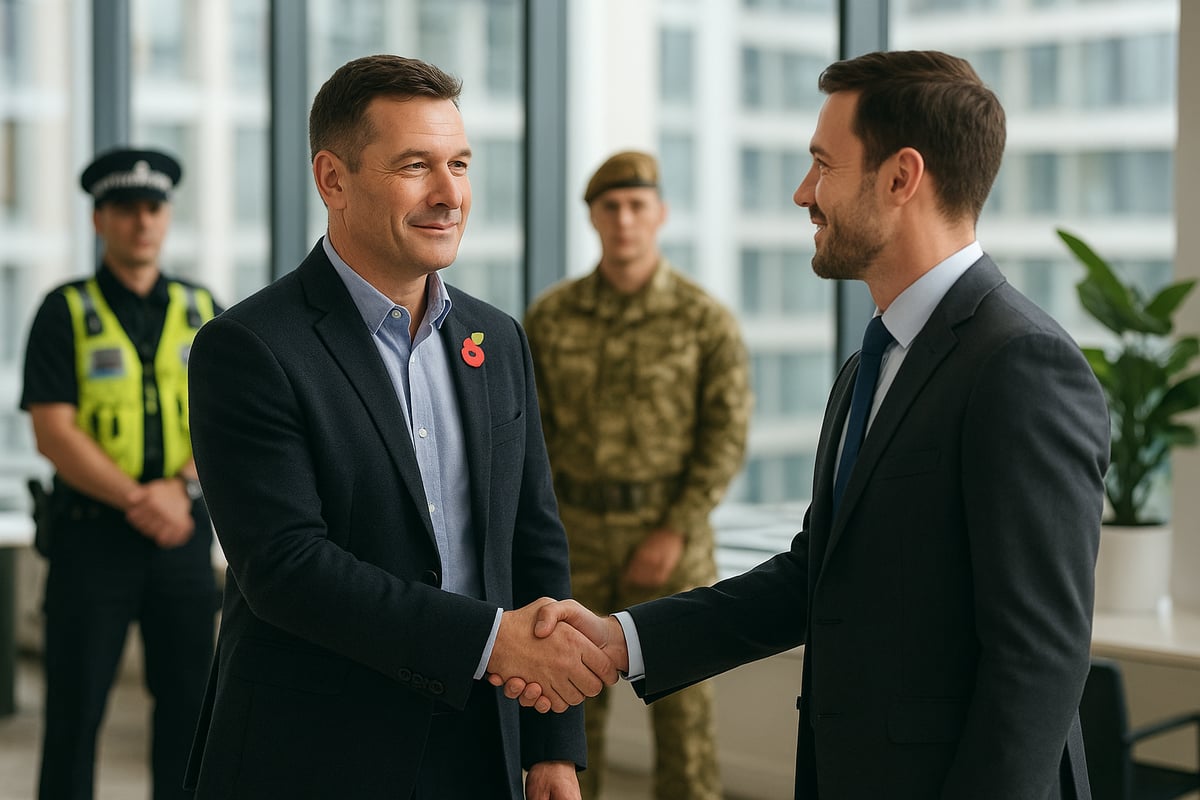
UK employers are actively seeking professionals with discipline, leadership, and problem-solving abilities. These are core strengths found in every CV CV military candidate. Yet, many recruiters are unfamiliar with military roles and terminology, which can lead to misunderstandings about your experience.
In 2026, the job market is shifting towards digital skills and adaptability. FDM Group reports a growing gap in tech-savvy staff, making military leavers with IT or digital training especially valuable. However, translating your achievements into civilian terms is essential. For instance, an ex-Royal Navy engineer should describe their experience in facilities maintenance and regulatory compliance, rather than focusing solely on rank or service.
According to StandOut CV, over 80% of UK employers rate leadership and adaptability as top attributes. Despite this, many ex-military professionals underestimate the impact their background has in civilian contexts. Confidence in your transferable skills is crucial. If you are unsure how to bridge the gap, the guide on how to create a CV for ex-British military offers clear steps to present your achievements effectively.
Remember, a CV MILITARY approach requires you to highlight results and use language that resonates outside the armed forces. Civilian recruiters respond best to clear, concise, and measurable achievements, not just job titles.
Key Civilian Sectors for Military Skills
Certain industries stand out for military leavers in 2026. Security, logistics, engineering, operations, and project management remain top choices, but there is rapid growth in cybersecurity, digital transformation, and remote team leadership roles.
For example, logistics experience gained in the RAF translates directly to commercial supply chain management. Likewise, operational planning or international deployments can set you apart in sectors that value cross-cultural expertise. Employers are increasingly looking for candidates who can lead diverse teams and manage complex projects.
Key sectors for CV MILITARY candidates include:
-
Security: Risk assessment, crisis management
-
Engineering: Technical training, safety compliance
-
Project Management: Planning, resource allocation
-
Cybersecurity: Digital security awareness, incident response
-
Logistics: Inventory control, process improvement
Highlighting your international and cross-functional experience can make your CV CV military stand out. Employers appreciate candidates who adapt quickly, communicate well, and deliver results under pressure.
Understanding where your military skills fit in the civilian landscape is the first step to CV success. By targeting the right sectors and translating your achievements, you will gain a competitive edge in the 2026 job market.
Step-by-Step Guide: Structuring and Formatting Your Military CV for 2026
A well-structured CV military is your passport to civilian job success in 2026. Employers are looking for clarity, relevance, and professionalism. The right format will ensure your military achievements are clearly understood and valued, making every section count towards your next career move. Let us break down the key steps to create a CV for a military that stands out.
Essential CV Structure
Your CV military should present information logically, keeping civilian recruiters in mind. Begin with your name and contact details at the very top, using a professional layout without military abbreviations.
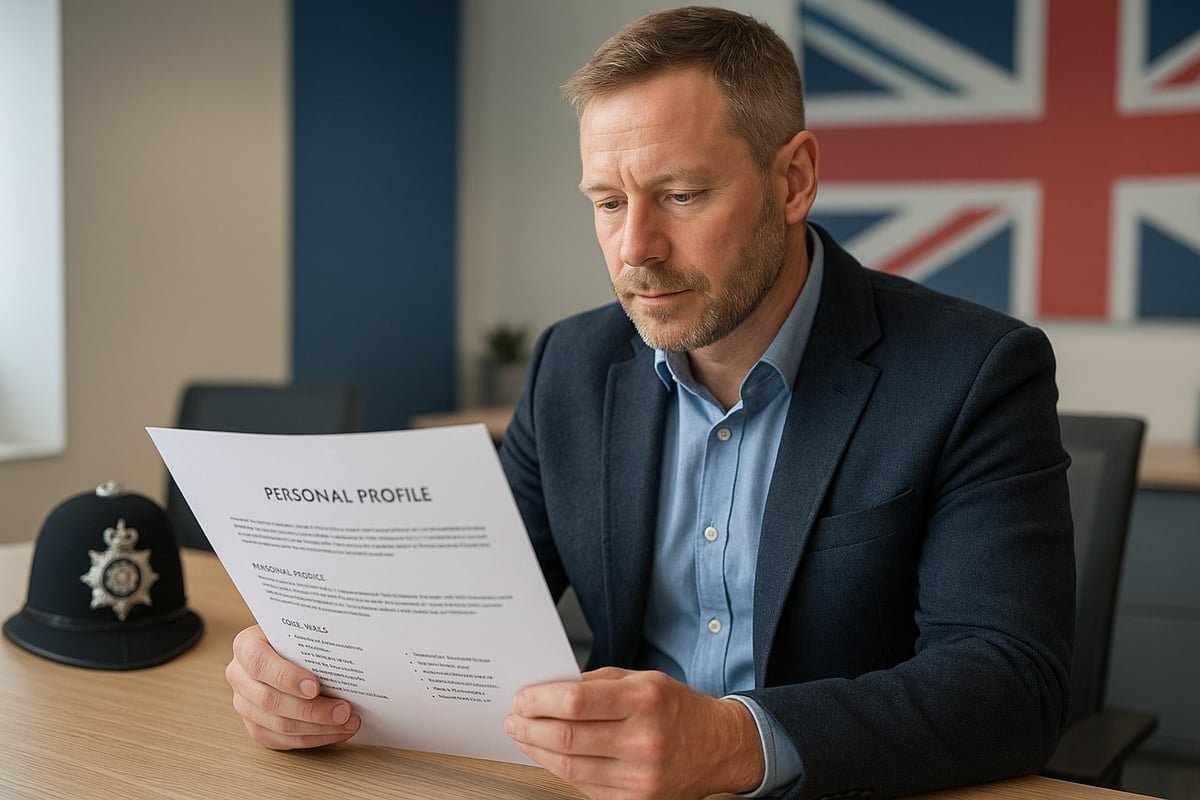
Include a strong personal profile—four to six lines that summarise your experience, rank, and ambitions. For example: “Disciplined British Army Sergeant with 12 years’ operational leadership, logistics management, and safety compliance, now seeking a role in operations management.”
Next, add a core skills section. Use bullet points to highlight abilities directly relevant to your target role. Tailor this to the job description, focusing on transferable skills.
Structure your work experience in reverse chronological order. Emphasise achievements, not just duties, and always translate military responsibilities into civilian equivalents. For instance, instead of listing “Section Commander,” write “Team Leader (Operations).”
Education and training should follow, covering all qualifications—both military and civilian. Highlight leadership, technical skills, and health & safety certifications.
Finish with additional information, such as languages, driving licences, and security clearances. These can set your CV MILITARY apart from other applicants.
|
Section |
What to Include |
|---|---|
|
Name & Contact |
Full name, phone, email, LinkedIn |
|
Personal Profile |
4–6 line summary of experience and goals |
|
Core Skills |
8–10 tailored bullet points |
|
Work Experience |
Reverse chronological, focus on achievements |
|
Education/Training |
All relevant qualifications and certifications |
|
Additional Info |
Languages, licences, security clearances |
Formatting for Civilian Readability
Presentation matters. Use clean, UK-standard fonts like Arial or Calibri. Avoid dense blocks of text—break up information with bullet points and clear headings. Remember, 90% of UK employers prefer CVs that are concise, ideally no longer than two pages.
Civilian recruiters may not understand military jargon. Replace ranks and operation codes with industry-standard equivalents. For example, “Deployed on Op Herrick” becomes “Led logistics for overseas operations.” This approach makes your CV military accessible and appealing to a wider audience.
Quantify your achievements wherever possible. Use metrics such as “Managed assets worth £2m” or “Reduced supply delays by 30%.” These concrete results demonstrate your impact clearly.
For more guidance on converting your CV military into a document that resonates with civilian employers, visit Translating military CV to civilian CV.
Finally, always review your CV military for consistency and relevance. Tailor each application to the specific industry and employer. This attention to detail can make the difference in securing interviews.
Translating Military Skills and Achievements for Civilian Roles
Successfully transitioning from the armed forces to civilian work hinges on how you present your skills in your CV Military employers want to see clear evidence of what you can offer their organisation, not just a list of ranks or operations. By translating your military experience into civilian language and focusing on measurable achievements, you can make your CV military stand out in the 2026 job market.
Identifying Transferable Skills
The first step in writing a strong CV military is to identify your transferable skills. These are the abilities you developed in service that civilian employers value most. Leadership, for example, is highly sought after and often demonstrated by managing teams under pressure. Operational planning, logistics, and resource allocation are also crucial, especially for roles in project management or supply chains.
Technical skills are another asset, especially if your military background includes equipment maintenance, IT systems, or compliance responsibilities. Soft skills such as adaptability, problem-solving, and effective communication are vital for almost every civilian sector. Consider how you trained others, handled challenging situations, or improved processes during your military career.
-
Leadership and team management
-
Operational and contingency planning
-
Technical maintenance and compliance
-
Adaptability and communication
-
Training and mentoring
By reflecting on your service, you will discover a wealth of talents ready to be showcased in your CV MILITARY.
Civilian-Friendly Language and Metrics
Once you have identified your skills, it is crucial to translate them into terms that civilian employers understand. Avoid jargon or acronyms that may confuse recruiters. Instead of listing “Section Commander” or “Deployed on Op Herrick,” describe your role as “Team Leader (Operations)” or “Led logistics for overseas operations.”
Quantifying results is a proven way to boost the impact of your CV military. Use numbers and metrics wherever possible: “Reduced supply delays by 30%” or “Managed assets worth £2m.” Action verbs such as “led,” “coordinated,” “improved,” and “implemented” help clarify your contributions.
Research shows that including measurable achievements can increase your interview rate by 40%. For more practical advice and examples on translating military experience, the Professional CV writing support for ex-military guide is a valuable resource.
Tailoring for Different Industries
Each industry values different aspects of military experience, so tailor your CV military to match the requirements of your target role. In security, highlight your risk assessment, crisis management, and incident response expertise. For engineering roles, focus on technical training, health and safety compliance, and maintenance achievements. In project management, showcase your planning, resource management, and ability to coordinate diverse teams.
Consider this table to align your skills with civilian sectors:
|
Sector |
Military Skill Example |
Civilian Translation |
|---|---|---|
|
Security |
Force protection, threat analysis |
Risk assessment, crisis response |
|
Engineering |
System diagnostics, maintenance |
Technical compliance, repairs |
|
Project Management |
Mission planning, logistics |
Project coordination, scheduling |
By aligning your achievements and skills to the language and needs of your chosen industry, you will make your CV military relevant and compelling to employers in 2026.
Writing Each Section of Your Military CV: Expert Tips and Examples
Crafting each part of your CV military is essential to stand out in the 2026 job market. Each section plays a distinct role in presenting your experience and potential to civilian employers. Use these expert tips and real examples to make every section count.
Personal Profile
Start your CV MILITARY with a concise personal profile. This should be 4–6 lines summarising your background, key skills, and career ambitions. Avoid military jargon, focusing instead on your value to civilian employers.
Example:
“Disciplined ex-Army officer with 10 years’ logistics and team leadership experience, seeking operations management roles in the private sector. Proven track record in high-pressure environments, effective communicator, and quick to adapt to new challenges.”
A strong personal profile sets the tone for the rest of your CV military and encourages recruiters to read on.
Core Skills Section
List 8–10 core skills as bullet points, tailored to each CV military application. Avoid unexplained military-specific terms. Instead, translate your abilities into civilian language.
-
Project management
-
Stakeholder communication
-
Inventory control
-
Team leadership
-
Risk assessment
-
Health & Safety compliance
-
Process improvement
-
Data analysis
For more tailored examples, see these CV examples for retired Army officers. This resource can help refine your skills section for maximum impact.
Work Experience
Present your work history in reverse chronological order, with each role highlighting achievements, not just duties. Use clear, civilian-friendly language and measurable outcomes throughout your CV MILITARY.
Example:
“Managed supply chain operations for 300+ personnel, achieving 98% on-time delivery. Led a team of 14, improved efficiency by 20%, and maintained compliance with all safety standards.”
Focus on results and leadership, demonstrating your readiness for civilian roles.
Education and Training
Detail all relevant qualifications in your CV military, including both military and civilian certificates. List leadership, technical, and health & safety training.
Example:
“NVQ Level 3 in Engineering Maintenance (Army), IOSH Managing Safely, Certificate in Project Management.”
This section shows employers your commitment to professional development and adaptability.
Additional Information
Use this part of your CV MILITARY to mention extra assets, such as languages, full UK driving licence, security clearances, or voluntary work.
Example:
-
Full UK driving licence
-
SC security clearance
-
Fluent in French
-
Volunteer youth sports coach
These details can set you apart from other candidates and show your broader capabilities.
Real CV Examples and Success Stories from UK Military Leavers
Every successful CV military transition tells a story. Here, we showcase real examples of UK ex-forces professionals who have made the leap into civilian roles in 2026. Notice how each CV military profile highlights achievements and civilian-ready language, giving you a practical blueprint for your own journey.
Example 1: Ex-Army Operations NCO
Profile:
Led logistics for multi-national deployments, managed £1m plus assets, and ensured operational excellence.
Achievements:
-
Reduced supply delays by 30 per cent by streamlining processes
-
Trained and mentored four junior NCOs to supervisory roles
-
Awarded for exemplary leadership and adaptability
Result:
Secured an operations manager position at a top UK logistics firm. This CV military transformation focused on quantifying results and using clear, civilian terms.
Example 2: Royal Navy Engineering Technician
Profile:
Maintained mission-critical systems, guaranteeing 100 per cent operational readiness for high-priority vessels.
Achievements:
-
Received Commander’s Letter of Appreciation for outstanding technical performance
-
Trained junior engineers, fostering a culture of continuous improvement
-
Implemented new safety checks, reducing faults by 15 per cent
Result:
Transitioned into a facilities management role in London, where technical skills from the CV MILITARY background stood out to employers.
Example 3: RAF Logistics Specialist
Profile:
Coordinated logistics for a high-tempo airbase, managing urgent dispatches and international supply chains.
Achievements:
-
Improved inventory tracking systems, cutting errors by 25 per cent
-
Streamlined urgent supply chains for faster response times
-
Supported cross-functional teams, enhancing communication
Result:
Hired as a supply chain coordinator for a major UK retailer. This CV military story demonstrates the value of operational planning and adaptability.
Key Insights
The most effective CV MILITARY examples always translate achievements, not just responsibilities. Quantified results and clear, civilian-friendly language open doors to interviews. Consistency in formatting and targeting your CV to the job description is crucial. For extra guidance, explore Writing a CV as a Service Leaver with Career Transition Partnership for practical tips on tailoring your CV military experience.
Q&A
-
How do I highlight my military achievements on a CV?
Focus on results and use numbers. For example, “Reduced supply delays by 30 percent” is more impactful than listing tasks. -
What’s the best way to describe my military rank for civilian employers?
Translate it to a civilian equivalent, such as “Team Leader” instead of “Section Commander.” -
Can technical skills from the military transfer to civilian jobs?
Yes, especially in engineering, IT, and logistics. Emphasise certifications and measurable outcomes. -
Should I include awards and commendations in my CV?
Absolutely. They demonstrate your value and commitment to excellence. -
Where can I get more help with my CV CV military transition?
Contact John Logan at John@johnloganbmc.co.uk for a free review and expert advice tailored to your military background.
Professional Support for Military CV Writing in the UK
Transitioning into civilian roles can be challenging, which is why professional support for your CV military journey is invaluable. Working with a specialist like John Logan ensures your military experience is translated into clear, compelling achievements that resonate with UK employers.
John Logan offers personal consultations, crafting bespoke CVs, cover letters, and LinkedIn profiles that highlight your strengths for the 2026 job market. There are no templates or shortcuts, only tailored advice and proven strategies.
If you are looking for additional resources, the official UK government guidance on finding an ex-military job after leaving the armed forces provides helpful advice on identifying your transferable skills and preparing for interviews.
With over 100 five-star reviews, John Logan has helped many veterans secure interviews across the UK. For a free, honest CV review, send your CV to John@johnloganbmc.co.uk. For more personalised support, contact John directly at John@johnloganbmc.co.uk and take the next step in your civilian career.
Frequently Asked Questions: Military CV Success in 2026
Navigating the CV military landscape in 2026 can raise many questions for ex-military professionals. Here are answers to the most common queries to help you stand out in the civilian job market.
1. Should I include all my military service on my CV?
Yes, include your full service, but focus on recent, relevant roles. Always use civilian terms to ensure your CV military achievements are clear to recruiters.
2. How do I handle military jargon in my CV military application?
Replace terms like “Section Commander” with civilian equivalents such as “Team Leader.” For more support translating skills, visit Military to Civilian Career Resources—British Army.
3. What length should my CV be in 2026?
Aim for two pages. UK employers prefer concise CVs that highlight key achievements and measurable results.
4. Do I need a personal profile or statement?
Yes, a strong personal statement at the top of your CV sets your direction and captures attention immediately.
5. Can I get professional help with my CV military transition?
Absolutely. Contact John Logan at John@johnloganbmc.co.uk for a free review and expert advice tailored to your unique strengths.
As you start shaping your military experience into a compelling CV for 2026, remember how vital it is to translate your skills into a language that civilian employers value. I know it can be tricky to present your achievements in a way that stands out, but you don’t have to do it alone. With personalised advice and decades of recruitment expertise, I help you showcase your strengths in a way that opens doors to new opportunities. If you’re ready to take the next step and want a CV that truly delivers results, find out more at Professional CV Writer UK Bespoke CV Writing Service for Results.


