
Stepping from military service into civilian life is one of life’s most significant transitions. Your CV is not just a document, but the bridge connecting your service to new opportunities.
This resume for veterans guide is designed to help UK ex-forces translate their unique military skills and achievements into a CV that opens doors.
Inside, you will find practical steps, proven tools, and expert insights tailored to veterans. Learn how to present your experience, choose the right CV format, and leverage certifications that matter to employers.
Follow our step-by-step process to transform your military achievements into a compelling civilian CV. With the right approach, you can confidently pursue your next career move.
Understanding the Transition: From Military Service to Civilian Careers
The journey from military service to civilian employment is unique for every veteran. Adjusting to new environments, expectations, and workplace cultures can feel overwhelming. For many, a well-crafted resume for veterans is the essential first step in this transition. Understanding the challenges and opportunities in this process helps lay the groundwork for a successful CV that opens doors.
The Unique Challenges Veterans Face
Veterans often encounter significant cultural and language differences when moving from the structured world of military service into civilian employment. Civilian employers may not fully understand the depth of military experience, leading to misconceptions about a veteran’s adaptability or technical skills.
According to Veteran employment statistics 2024, over 70% of UK veterans report difficulty translating their military roles into civilian terms. For example, a Royal Navy logistics officer might struggle to convey their expertise in supply chain management without using military jargon.
A clear, targeted resume for veterans can help bridge these gaps, making skills and achievements accessible to civilian employers.
My CV writing services include bespoke CV writing, LinkedIn optimisation, interview preparation and professionally written cover letters, helping former military personnel present a consistent and compelling professional profile throughout their job search.
Every client begins with a detailed one-to-one consultation, allowing military achievements, leadership experience and future career goals to be explored fully before any writing begins. This consultative approach ensures every CV is written from scratch and tailored to the opportunities being targeted.
Recognising Transferable Skills
Identifying and articulating transferable skills is crucial for any resume for veterans. Core competencies developed during service—such as leadership, discipline, teamwork, adaptability, and problem-solving—are highly valued in the civilian workforce.
Military training also fosters resilience and strong communication skills. Consider an Army sergeant who led diverse teams under pressure; these experiences directly translate to management roles in civilian settings. Employers consistently value reliability and mission focus, qualities that veterans bring to the table.
Highlighting these strengths in a resume for veterans ensures that employers see the real value of military experience.
The Importance of Self-Assessment
Conducting a thorough self-assessment is vital when creating a resume for veterans. Start by performing a skills audit: list your military roles, responsibilities, and achievements, then map them to civilian job requirements.
Leverage MOD resources and veteran support services to help translate military terminology into plain English. For instance, an RAF technician’s technical expertise can be reframed for engineering or maintenance roles. This approach ensures your CV speaks directly to what recruiters are seeking.
A resume for veterans that is grounded in accurate self-assessment makes it easier to target roles that match your strengths and ambitions.
Setting Realistic Career Goals
Researching high-demand sectors is a smart way to focus your job search. Industries such as engineering, IT, logistics, and emergency services are actively seeking the skills veterans offer.
I also provide specialist CV writing services in Birmingham for service leavers and professionals across the Midlands, helping translate military experience into language that civilian employers immediately understand and value.
Data from the MOD shows that 60% of UK ex-forces secure roles in private sector industries within 12 months of leaving service. Aligning your personal interests with these market needs increases your chances of success.
Setting clear, achievable goals for your transition is essential. A resume for veterans tailored to target sectors and roles will help you stand out as you build your civilian career.
Step-by-Step Guide: Building a Standout CV for Veterans
Building a standout CV is a crucial milestone for any veteran aiming for a successful transition. This step-by-step guide empowers you to create a resume for veterans that highlights your unique skills and aligns them with civilian career goals. Each stage below is crafted to help you present your experience in the best light and secure interviews with confidence.
Step 1: Crafting a Powerful Personal Statement
Start your CV with a concise personal statement. In three to four lines, summarise your career aspirations, core strengths, and military background. Tailor this section for each application by reflecting the key skills and requirements listed in the job advert.
For example, you might write:Former British Army officer with proven leadership in high-pressure environments seeking operations management role.
A strong personal statement is the first step in making your resume for veterans stand out to civilian employers. Use confident, active language and focus on what you bring to the table.
Step 2: Translating Military Experience into Civilian Language
Translating your military background is essential. Avoid jargon and acronyms, using plain English to make your experience accessible. Resources like the Translating military CVs for civilians guide can help you convert military roles into terms that resonate with recruiters.
For instance, instead of “Platoon Commander,” use “Team Leader responsible for training, safety, and performance of 30 staff.” This ensures your resume for veterans is clear and relevant to civilian roles.
Step 3: Highlighting Achievements, Not Just Duties
Employers want to see the impact you made, not just your responsibilities. Use bullet points to showcase quantifiable achievements:
Reduced supply costs by 15%
Trained 50+ personnel in new procedures
Managed logistics for operations across multiple locations
Including outcomes like these in your resume for veterans increases its effectiveness and helps you stand out from other applicants.
Step 4: Showcasing Relevant Training and Certifications
List all technical courses, leadership programmes, and security clearances. Highlight transferable qualifications such as HGV licences, first aid, or project management certificates.
Present your qualifications in a way that civilian employers immediately understand. Include recognised certifications, leadership training, technical licences and security clearances where they are relevant to the role. Where appropriate, explain military qualifications using their civilian equivalent to demonstrate their value in the workplace.
These details demonstrate your readiness for civilian roles and strengthen your resume for veterans.
Step 5: Emphasising Soft Skills and Adaptability
Employers prioritise candidates with strong interpersonal skills. Use specific examples to show your resilience, communication, and adaptability.
If you have experience leading teams overseas or working across departments, mention it to illustrate adaptability. These soft skills are crucial for any resume for veterans and can set you apart in a competitive job market.
Step 6: Tailoring Each CV for the Role
Always customise your CV for each application. Analyse job descriptions, identify keywords, and adjust your content accordingly. This improves your chances of passing Applicant Tracking Systems (ATS) and catching a recruiter’s attention.
For example, for a supply chain role, highlight logistics and coordination experience. For IT jobs, focus on technical skills. Tailoring your resume for veterans to each role shows commitment and professionalism.
Optimising CV Structure and Presentation
Creating a standout resume for veterans means more than listing your achievements. Structure, clarity, and presentation are vital to making your CV appeal to civilian employers and pass through Applicant Tracking Systems (ATS). Here’s how to optimise your CV for maximum impact.
Choosing the Right CV Format
Selecting the best format for your resume for veterans is crucial. Veterans often face the choice between a chronological CV, a skills-based (functional) CV, or a hybrid format.
Chronological CVs work well if you’re moving into a similar industry, as they highlight steady progression.
Skills-based CVs are ideal if you’re changing sectors, allowing you to showcase transferable skills at the top.
Hybrid CVs blend both approaches, presenting skills and experience equally.
For detailed guidance on structuring your resume for veterans, see CVs for ex-military personnel.
Formatting for ATS and Recruiter Readability
Your resume for veterans must be both human and machine-friendly. Use standard fonts like Arial or Calibri, clear headings, and bullet points for easy scanning. Avoid graphics, tables, or photos which can confuse ATS software.
According to the CIPD, 98% of UK employers use ATS to screen CVs. Ensuring your resume for veterans is formatted correctly increases your chances of making it to the next stage.
Keeping it Concise and Relevant
A CV should be no longer than two pages. Focus on the last 10 years or the most relevant roles. When crafting a resume for veterans, remove outdated or irrelevant details, such as basic military induction or non-essential training.
Prioritise what civilian employers want to know: key achievements, recent experience, and relevant certifications. This keeps your resume for veterans sharp and to the point.
Professional Presentation and Contact Details
Presentation counts. Use a professional email address, include your UK address, and make sure your mobile number is up to date. Adding a LinkedIn profile link can also boost your professional image.
Always triple-check that your contact details are correct. A small mistake here could mean missing out on interviews. If you need expert feedback, send your CV to John@johnloganbmc.co.uk for a free review.
Proofreading and Final Checks
Before sending your CV, proofread carefully for spelling, grammar, and consistent formatting. One spelling mistake can reduce your interview chances by 30%. Ask a peer to review your resume, or use a professional CV review service like John@johnloganbmc.co.uk to ensure your document is flawless and ready opportunities.
Leveraging Civilian Experience, Training, and Support Resources
Transitioning from military to civilian employment is a journey that rewards preparation and resourcefulness. Making the most of every asset, from work experience to support networks, can transform your resume for veterans into a powerful tool for civilian job success.
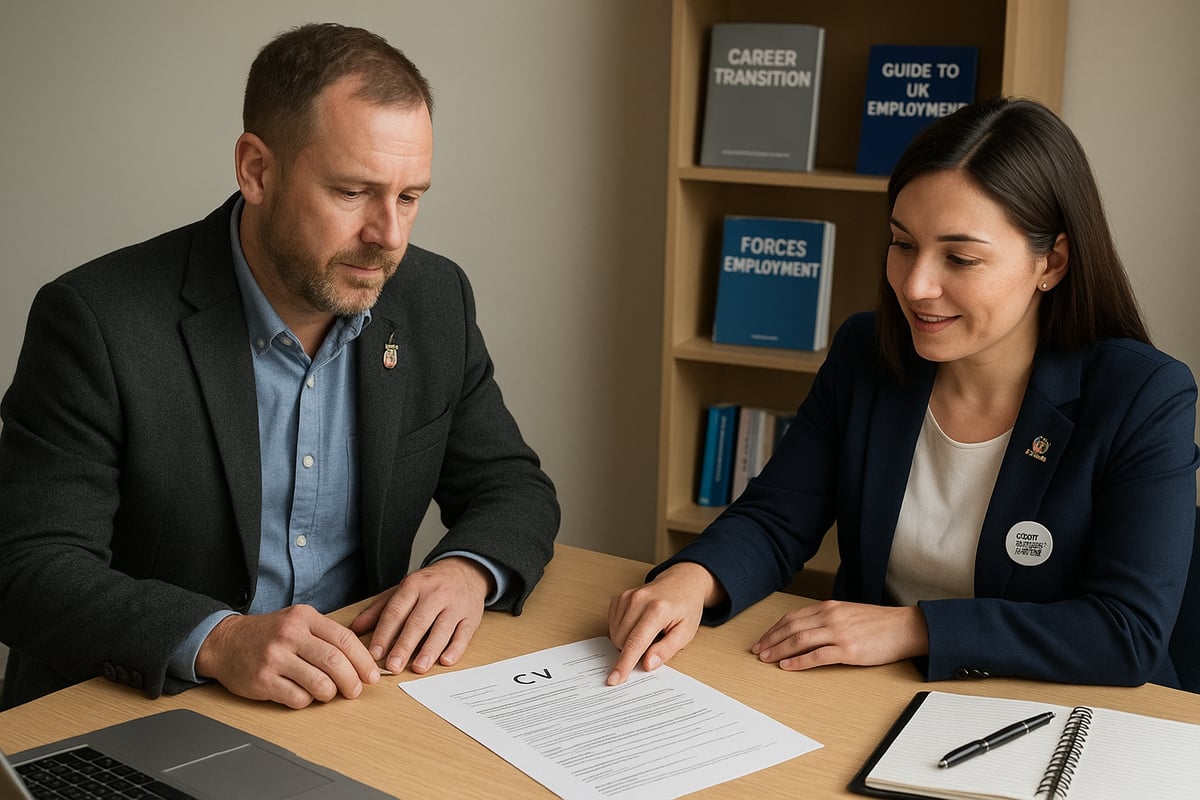
Including Civilian Work Experience
Civilian work experience is a valuable addition to any resume for veterans. If you have held part-time jobs, volunteered, or taken on reserve duties during your service, list these experiences.
Highlight roles such as volunteering with St John Ambulance or participating in community projects.
Emphasise transferable skills like teamwork, reliability, and communication.
Even short-term or unpaid roles can demonstrate your adaptability to civilian workplaces.
This approach helps employers see your versatility and readiness for a non-military environment.
Making the Most of Civilian Qualifications
Civilian qualifications play a crucial role in strengthening your resume for veterans. If you completed degrees, diplomas, or industry certifications during or after your service, be sure to include them.
List achievements such as Open University degrees or vocational training.
Include certifications like IOSH Managing Safely, project management, or technical licences.
Present qualifications in a clear, recognisable format for civilian employers.
Civilian credentials show your commitment to ongoing development and help bridge the gap between military and civilian requirements.
Utilising Veteran Support Networks
Support networks are vital for veterans building a resume for veterans. The UK offers a range of specialist organisations to assist in your job search.
Reach out to the Career Transition Partnership, RFEA, or Forces Employment Charity.
Attend workshops and seminars focused on CV writing, interview skills, and networking.
Engage with peer mentoring programmes for personalised advice.
These networks provide guidance, resources, and connections to help you stand out in the civilian job market.
Online Tools and Resources for Veterans
Leveraging online platforms can give your resume for veterans a competitive edge. Take advantage of veteran-specific job boards, CV templates, and skills translation tools.
Use the MOD’s “Find a Job” platform for targeted vacancies.
Explore LinkedIn for Veterans to expand your professional network.
Try out CV builders designed for ex-forces personnel.
Online resources streamline your job search and make it easier to present your experience in a way that resonates with employers.
Seeking Professional Help for CV Writing
Sometimes, expert support can make all the difference to your resume for veterans. A personalised CV review can highlight your strengths and ensure your application meets modern employer expectations.
Consider using a Free CV review for veterans to receive tailored, actionable feedback. Reach out to John@johnloganbmc.co.uk for a comprehensive assessment. Professional guidance can boost your interview chances and help you navigate the transition with confidence.
Addressing Common Challenges and Boosting Success in Applications
Transitioning from military to civilian roles can present unique hurdles for veterans. Overcoming these challenges is vital for a strong resume for veterans that stands out to UK employers.
Explaining Employment Gaps and Deployments
Many veterans worry about how to address employment gaps due to operational deployments or training. On a resume for veterans, keep explanations concise and positive. For example, state “Career break for operational deployment (2024 to 2025), skills enhanced in leadership and crisis management.” This approach reassures employers about your continuous personal development. Remember, recruiters are used to seeing gaps for service, so honesty and clarity are appreciated.
Highlighting Security Clearance and Special Skills
Security clearances and specialist skills are valuable assets. Always mention your clearance level on your resume for veterans if it is relevant to the target role, such as “SC Cleared eligible for government and defence roles.” Include unique military qualifications and technical proficiencies. For practical examples of how to present these on your CV, review CV for retired army officer examples.
Demonstrating Adaptability and Cultural Awareness
Civilian employers value adaptability and cultural awareness in a resume for veterans. Highlight deployments, international exercises, or work with diverse teams. For instance, reference experience in NATO missions or UN peacekeeping operations. These examples show your ability to thrive in varied, multicultural environments. Employers increasingly seek candidates who can adjust to new settings and bring global perspectives.
Emphasising Soft Skills for Civilian Roles
Soft skills like teamwork, reliability, and discipline are critical. When writing your resume for veterans, clearly link your military experience to these qualities. Data shows 72% of employers rate teamwork as a top skill for new hires. Employers also recognise that hiring veterans benefits businesses, thanks to the unique strengths gained in service. Use real examples to demonstrate how you have led teams or solved problems under pressure.
Preparing for Interviews and Next Steps
Your CV should help you anticipate interview questions. Use it to prepare STAR responses (Situation, Task, Action, Result). Keep updating your resume for veterans as you gain new skills or qualifications, and seek feedback regularly. Contact John@johnloganbmc.co.uk for a free CV review and tailored advice. Attend networking events and professional development workshops to stay competitive.
Avoiding Common Mistakes
One of the biggest reasons military CVs fail is because they are not tailored to the role being applied for. Using military jargon, including unnecessary information or failing to explain transferable skills can all reduce your chances of securing an interview. A focused, well-written CV that clearly demonstrates your value will always perform better than a generic application.
Review successful examples and seek professional guidance. For bespoke support, send your CV to John@johnloganbmc.co.uk. A well-crafted resume for veterans can be the key to unlocking your next career step.
Frequently Asked Questions: Veterans’ CVs and Career Transitions
Send me your CV for a free review to John@johnlogan.co.uk. I’ll look through it myself and give you honest, constructive feedback as a professional CV writer.
1. How do I translate my military job title into civilian terms?
When writing a resume for veterans, always use plain English. Replace military-specific titles with civilian equivalents and focus on your main responsibilities. For example, “Section Commander” can become “Team Supervisor”. Highlight leadership, project delivery, and people management.
If you are unsure, use resources like the Career Transition Partnership or MOD guides. Employers value clarity, so avoid jargon. This approach helps civilian recruiters see the true value in your experience.
2. What if I have no civilian work experience?
A resume for veterans should highlight transferable skills from your service, such as teamwork, reliability, and adaptability. Include any voluntary work, reserve service, or community roles. For instance, volunteering with a local charity or supporting youth groups demonstrates commitment and initiative.
Employers increasingly recognise that veterans bring unique skills to the workplace. According to the Hiring veterans benefits businesses article, businesses value the leadership and problem-solving qualities veterans offer.
3. Should I include my security clearance on my CV?
Yes, especially if you are targeting roles in government, security, or defence sectors. When preparing your resume for veterans, clearly state the level of clearance you hold, such as “SC Cleared” or “DV Cleared”. This can set you apart from other applicants and fast-track your application for sensitive positions.
Include the clearance in your professional profile and under relevant roles. Ensure it is up to date and relevant to the jobs you are applying for.
4. How long should my CV be as a veteran?
Your resume for veterans should ideally be two pages. Focus on the last 10 years of experience or the most relevant roles. Civilian employers prefer concise and targeted CVs that showcase your achievements and skills.
Omit outdated or irrelevant information. Prioritise recent training, certifications, and roles that align with your target job. Always tailor your CV to the position and keep it well organised for maximum impact.
5. Where can I get help with my CV as a veteran?
Several resources are available for veterans seeking support with their resume for veterans. Use MOD transition services, veteran employment charities, or online tools. For a personalised approach, contact John@johnloganbmc.co.uk for a free CV review and bespoke advice.
With over 40 years in business, experience interviewing thousands of candidates and more than six years writing bespoke CVs for military personnel and civilian professionals, I understand exactly what recruiters are looking for. Every CV is written personally through a detailed consultative process, ensuring your experience is translated into language that employers immediately recognise and value.
You can also read my client testimonials to see how former military personnel have successfully transitioned into civilian careers and secured interviews through a professionally written CV.
If you’re ready to take the next step, you can book a consultation to discuss your military experience, career ambitions and how to position yourself competitively in today’s employment market.
Making the move from military to civilian careers can feel overwhelming, but with the right support, you can turn your service experience into a CV that truly stands out. You’ve seen how translating your skills, focusing on achievements, and presenting yourself clearly can open new doors. If you want a CV that’s tailored to your unique journey and gives you the best chance at landing interviews, I’m here to help. Discover how a bespoke approach can make all the difference—explore my Professional CV Writer UK Bespoke CV Writing Service for Results and take the next step towards your new career with confidence.