

LinkedIn is no longer just a digital CV; it has become your gateway to career opportunities in 2025. With over 900 million professionals actively using the platform, recruiters are searching daily for standout candidates. In this landscape, LinkedIn optimisation is essential to ensure you are visible, credible, and appealing to employers and professional networks.
This guide will empower you to transform your LinkedIn presence for maximum impact. Discover actionable steps, proven strategies, and insider tips to elevate your profile and unlock new opportunities. You will learn how to perfect your profile, master keywords, showcase achievements, engage effectively, and make the most of the latest LinkedIn features.
Understanding the Importance of LinkedIn Optimisation
LinkedIn has become much more than a digital CV in 2025. It is now the cornerstone of professional networking and recruitment. As the platform expands, its influence on personal branding and career progression also grows.
Recruiters and employers routinely use LinkedIn to research candidates before making hiring decisions. Over 90% of recruiters assess talent through LinkedIn profiles, making it one of the most critical tools for career advancement. Professionals across industries have shared stories of being approached for roles simply because their profiles stood out. This proves just how vital LinkedIn optimisation is for anyone looking to progress in their field.

The Evolving Role of LinkedIn in Professional Life
In recent years, LinkedIn has solidified its position as the leading platform for recruitment and networking. Employers now expect candidates to have a polished, up-to-date profile. This shift has made LinkedIn optimisation essential for anyone serious about career growth.
LinkedIn’s reputation also extends to personal branding. A well-curated profile can boost your industry authority and credibility. As more professionals are discovered through LinkedIn, the impact of a strong profile cannot be overstated. Success stories abound, with individuals landing dream jobs or lucrative contracts thanks to strategic LinkedIn optimisation.
Why Optimisation Matters More Than Ever
With millions of active UK users, competition on LinkedIn has intensified. AI-driven search and profile ranking algorithms now play a significant role in determining who is seen by recruiters. An optimised profile is more likely to appear in searches and attract attention from hiring managers.
The difference between a standard profile and one that is fully optimised is significant. Enhanced visibility, increased opportunities, and a better first impression are just a few benefits. For actionable advice, consider these LinkedIn profile writing tips to ensure your LinkedIn optimisation efforts pay off.
Key Trends and Changes for 2025
LinkedIn continues to evolve rapidly, introducing new features and algorithm updates regularly. The platform now prioritises video, multimedia, and interactive content, making profiles richer and more engaging. Skills, endorsements, and recommendations carry more weight than ever, directly impacting profile ranking.
There is also a growing emphasis on authenticity and personal storytelling. Genuine narratives and unique achievements help professionals stand out from the crowd. Staying updated with these trends is a core part of LinkedIn optimisation and helps ensure your profile remains competitive.
The Cost of a Neglected Profile
Neglecting your LinkedIn profile can have lasting consequences. Missed job offers, overlooked networking invites, and outdated information can all harm your professional reputation. Recruiters may overlook candidates with incomplete or generic profiles, even if they possess the right experience.
A neglected profile can also damage your personal brand. In today’s market, maintaining a current and compelling LinkedIn presence is not optional. Regular LinkedIn optimisation is key to staying visible, credible, and relevant in your industry.
Step 1: Perfecting Your LinkedIn Profile Basics
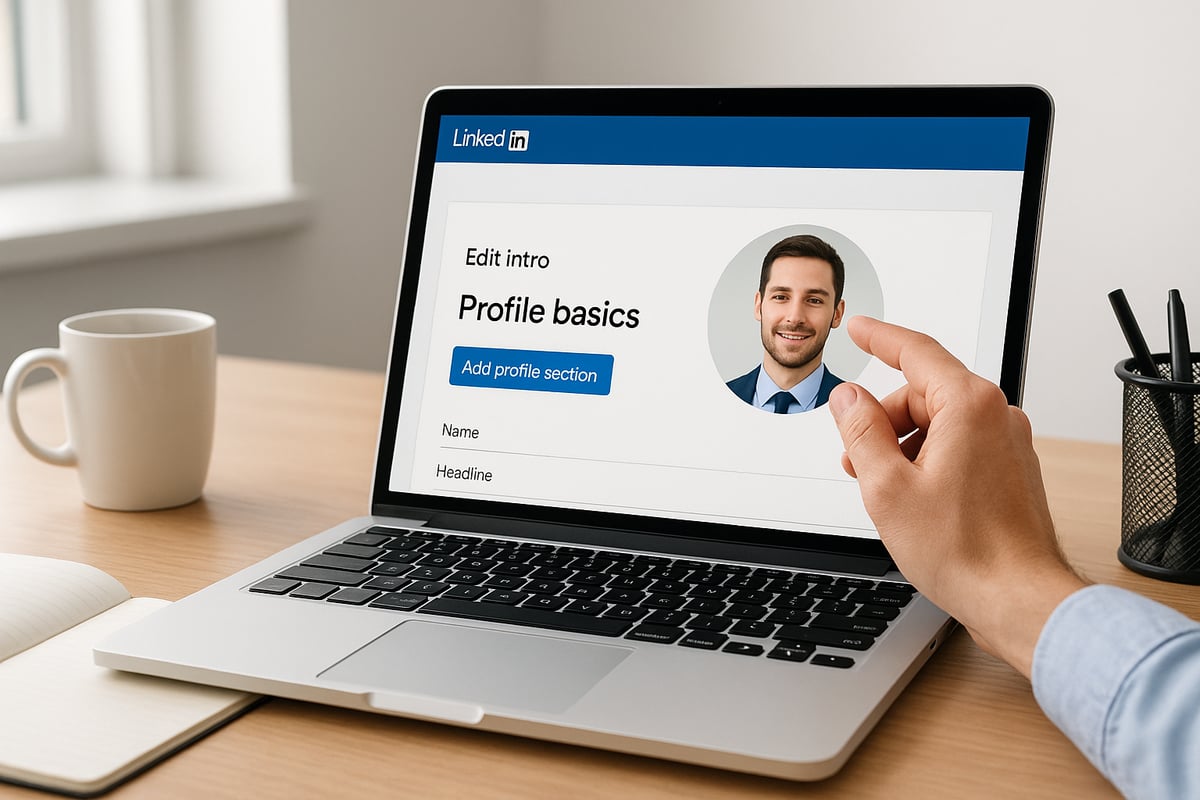
A strong foundation is crucial for LinkedIn optimisation. Before you explore advanced tactics, ensure your profile gets the essentials right. From your photo to your summary, every detail contributes to how you are viewed by recruiters and peers. For a comprehensive checklist, you may find this LinkedIn profile optimisation strategies guide helpful alongside the tips below.
Choosing a Professional Profile Photo
Your profile photo is the first impression in LinkedIn optimisation. A clear, high-quality headshot builds trust and increases views. Use natural or studio lighting, wear professional attire, and choose a neutral background to avoid distractions.
Do’s:
- Use a recent, high-resolution image
- Smile and look approachable
- Ensure your face is clearly visible
Don’ts:
- Avoid group shots or cropped images
- No sunglasses or hats
- Skip casual or event photos
Profiles with photos receive up to 21 times more views, making this a vital step in LinkedIn optimisation.
Crafting a Compelling Headline
Your headline is a prime opportunity for LinkedIn optimisation. Go beyond generic phrases and highlight your unique value. Incorporate relevant keywords and showcase your expertise.
Examples:
- “Digital Marketing Specialist | Data-Driven Campaigns | SEO & Content Expert”
- “Project Manager | Delivering Complex IT Projects On Time and Budget”
Tailor your headline for your target industry. A well-crafted headline improves your appearance in recruiter searches and supports your LinkedIn optimisation strategy.
Writing an Engaging Summary (About Section)
The About section is your chance to tell your professional story for effective LinkedIn optimisation. Write in the first person, share your achievements, and express your passion and goals.
Avoid overused buzzwords and jargon. Instead, focus on what sets you apart. Mention specific results and aspirations.
For example, “I thrive on leading teams to exceed targets and drive innovation. My recent project increased efficiency by 25%.” This approach strengthens your LinkedIn optimisation and builds connections.
Detailing Experience for Impact
When detailing your experience, focus on outcomes rather than just responsibilities. This method is essential for LinkedIn optimisation. Use bullet points, quantify results, and tailor each entry to your career goals.
Tips:
- Highlight achievements, not just tasks
- Use metrics (e.g., “Increased revenue by 30%”)
- Make entries clear and easy to scan
Well-structured experience sections help recruiters quickly assess your fit, supporting your overall LinkedIn optimisation.
Showcasing Skills and Endorsements
Selecting the right skills is central to LinkedIn optimisation. Review job descriptions for in-demand skills and keep your list concise. Ask trusted colleagues to endorse your top abilities.
To maximise impact:
- Focus on 8–12 core skills
- Regularly update your skills as your expertise grows
- Encourage endorsements for those most relevant to your goals
Endorsements and a focused skillset add credibility and boost your LinkedIn optimisation.
Updating Contact Info and Settings
Keep your contact details current for effective LinkedIn optimisation. Double-check your email, phone, and links. Make your profile public to increase visibility and ensure recruiters can easily find and reach you.
If job searching, enable the “Open to Work” feature and adjust your settings for privacy as needed. Regularly review your profile settings to protect your information and stay accessible as part of your LinkedIn optimisation plan.
Step 2: Optimising for Search—Keywords, SEO, and Algorithms
A successful LinkedIn optimisation strategy ensures your profile is found by the right people. In 2025, recruiters rely on search algorithms, keywords, and profile activity more than ever to identify suitable candidates. Mastering these elements is essential for standing out in a crowded digital landscape.

Understanding LinkedIn’s Search Algorithms
LinkedIn optimisation begins with understanding how the platform’s search algorithms work. In 2025, LinkedIn ranks profiles based on a combination of keyword usage, profile completeness, and recent activity. Recruiters and employers utilise these algorithms to filter efficiently and shortlist candidates.
Profiles that embrace LinkedIn optimisation by strategically using keywords and maintaining up-to-date information are 30% more likely to appear in recruiter searches. The system prioritises profiles with relevant skills and endorsements, so being active on the platform is essential. Regular updates, meaningful engagement, and a complete profile all contribute to higher visibility.
Keyword Research for LinkedIn Profiles
Effective LinkedIn optimisation relies on thorough keyword research. Start by identifying target job titles, core skills, and industry buzzwords that align with your career goals. Analyse job descriptions for your desired roles, noting recurring terms and phrases.
Utilise keyword analysis tools or LinkedIn’s own search to see what terms are trending in your field. For a deeper dive into why keyword optimisation is so vital, review the Importance of keywords in CVs. Integrating the right keywords in your profile ensures you appear in relevant searches and increases your chances of being contacted by recruiters.
Strategic Placement of Keywords
LinkedIn optimisation is not just about choosing the right keywords but also placing them effectively. Incorporate your chosen keywords in critical sections such as your headline, summary, experience, and skills. This targeted approach ensures maximum visibility without sacrificing readability.
Below is a table summarising where to include keywords:
| Profile Section | Keyword Placement Tips |
|---|---|
| Headline | Use primary job title/skill |
| Summary | Integrate naturally |
| Experience | Highlight achievements |
| Skills | List most relevant skills |
Compare before and after keyword optimisation:
Before: "Project manager with 5 years’ experience."
After: "Project Manager specialising in agile delivery, stakeholder management, and digital transformation."
Leveraging Skills, Endorsements, and Recommendations
Skills and endorsements are vital components of LinkedIn optimisation. LinkedIn’s algorithms assess the relevance and quantity of your listed skills, as well as endorsements from colleagues or clients. Choose skills that reflect your expertise and are in demand for your sector.
Encourage your network to endorse your top skills and request recommendations that reference your most important keywords. This reinforces the credibility of your profile and improves your ranking in search results. Keep your skills section up to date to stay aligned with evolving industry requirements.
Avoiding Common SEO Mistakes
While pursuing LinkedIn optimisation, avoid overstuffing your profile with keywords. Excessive repetition can make your profile appear unnatural and reduce its impact. Focus on authenticity and ensure every keyword fits your experience and goals.
Steer clear of outdated or irrelevant terms that may confuse search algorithms. Do not neglect essential sections such as your summary or skills list, as these are critical for discoverability. By maintaining a balanced approach, your profile will remain both professional and highly visible.
Step 3: Building Credibility and Authority on LinkedIn
Establishing credibility and authority is fundamental for effective LinkedIn optimisation. Recruiters and employers are seeking trustworthy, knowledgeable professionals, so your profile must showcase expertise at every turn. Let us explore the key strategies to solidify your reputation and build confidence with every profile visitor.

Gathering Powerful Recommendations
Recommendations are a cornerstone of LinkedIn optimisation. Genuine, specific endorsements from previous managers, colleagues, or clients provide social proof of your skills and work ethic.
When requesting recommendations, tailor your message and remind the person of shared achievements. Offer to reciprocate with a recommendation in return. Strong recommendations highlight your unique strengths, such as leadership, problem-solving, or technical expertise.
Example: “Working with Sarah on the marketing project, I saw her increase campaign engagement by 40 per cent. Her creativity and strategic thinking were invaluable to our success.” This level of detail builds trust and sets you apart in a competitive landscape.
Showcasing Achievements and Projects
The “Featured” section is vital for LinkedIn optimisation. Use it to display your most impressive work, such as presentations, published articles, or video content. This demonstrates your capabilities beyond the written word.
Consider highlighting awards, certifications, and major projects. Include links or media to make your achievements tangible. For instance, a portfolio of design work or a case study of a successful campaign can make a strong visual impact.
Keep this section up to date to reflect your latest successes. A profile rich in achievements signals to visitors that you are proactive and results-driven.
Highlighting Education, Training, and Certifications
List all relevant degrees, courses, and ongoing education as part of your LinkedIn optimisation strategy. In 2025, employers are becoming increasingly interested in candidates who prioritise continuous learning.
Include industry certifications to demonstrate your commitment to professional growth. Update this section regularly with new skills or training completed. This reassures recruiters that your knowledge is current and credible.
Be specific: “Completed Chartered Institute of Marketing Diploma, 2024” or “Certified Scrum Master, 2023.” Such details boost your authority and help your profile stand out.
Demonstrating Thought Leadership
Thought leadership is a key differentiator for LinkedIn optimisation. Share original articles, comment on industry news, and contribute insights that show your expertise.
Participate in relevant discussions and offer valuable perspectives. This not only builds your reputation as a subject matter expert but also increases your profile visibility within your network.
Consistent engagement, such as posting about trends or sharing professional advice, positions you as a go-to resource in your field. Thought leaders attract opportunities and connections that can accelerate career growth.
Maintaining Consistency Across Your Professional Brand
Consistency is essential for LinkedIn optimisation. Ensure your LinkedIn profile aligns with your CV and cover letter in tone, language, and messaging. This unified approach strengthens your personal brand and avoids confusion.
A professionally written profile, much like a well-crafted CV, can make a significant difference. For further insights into the benefits of expert writing and personal branding, explore the Professional CV writing benefits.
Audit your online presence regularly to ensure that all professional platforms accurately reflect your achievements, skills, and values. Consistency signals reliability and makes you memorable to recruiters.
Step 4: Active Engagement and Networking Strategies
Active engagement is the heart of LinkedIn optimisation in 2025. Building a strong network and participating meaningfully will unlock new opportunities and increase your visibility. Let’s break down the practical steps to make your LinkedIn presence truly work for you.
Connecting with Purpose and Personalisation
Thoughtful connections are essential for LinkedIn optimisation. Aim to connect with industry peers, recruiters, and potential employers who align with your career goals. Avoid sending generic requests; instead, personalise each invitation by referencing shared interests or recent achievements.
Consider including a brief note explaining why you want to connect or how you can add value. This approach increases acceptance rates and lays the foundation for meaningful relationships. Remember, it’s about building a quality network, not just a large one. For more on the strategic value of networking, explore LinkedIn’s role in professional networking.
Participating in Groups and Communities
Participation in LinkedIn groups and communities is a vital LinkedIn optimisation tactic. Join groups relevant to your field or interests to expand your reach and learn from thought leaders. Search for active groups where members share insights and industry news.
Engage in group discussions by asking questions, offering advice, or sharing your own experiences. This visibility can lead to new connections and opportunities. Networking within groups often feels more organic and less transactional, making it easier to build trust and credibility.
Posting and Sharing Content Effectively
Regularly sharing valuable content is central to LinkedIn optimisation. Focus on posts that showcase your expertise, such as industry articles, polls, or short videos that demonstrate your knowledge and expertise. Highlight achievements, discuss trends, or offer commentary on current events relevant to your sector.
Timing matters—posting when your audience is most active increases engagement. Aim for consistency rather than frequency; even one impactful post per week can make a difference. Use hashtags and tag relevant people or companies to broaden your reach, but keep your content authentic and professional.
Commenting and Engaging with Others
Effective LinkedIn optimisation goes beyond posting your own content. Engage with others by leaving thoughtful comments, responding to updates, and participating in ongoing conversations. This not only boosts your visibility but also demonstrates your expertise and willingness to collaborate.
Look for opportunities to add value, such as providing resources or different perspectives. Building rapport through regular interaction can turn casual contacts into lasting professional relationships. Remember, genuine engagement is more impactful than superficial likes.
Avoiding Over-Engagement and Spam
Balance is crucial for successful LinkedIn optimisation. Over-engagement, such as excessive self-promotion or mass messaging, can damage your reputation. Familiarise yourself with LinkedIn etiquette and community standards to avoid being seen as spammy.
Focus on quality interactions rather than quantity. Limit sales pitches and self-referential posts, and always respect others’ time and boundaries. Authenticity and relevance should guide every interaction, ensuring your presence remains positive and professional.
Tracking Engagement and Adjusting Strategy
Continuous improvement is key to LinkedIn optimisation. Utilise LinkedIn analytics to track the performance of your posts and profile. Track metrics like views, likes, comments, and connection growth to identify what resonates with your network.
Adjust your content and engagement strategy based on these insights. Experiment with new formats or topics, and refine your approach as you learn. Staying data-driven ensures your LinkedIn activity remains effective and aligned with your professional goals.
Step 5: Leveraging Advanced LinkedIn Features for 2025
Unlocking advanced features is essential for effective LinkedIn optimisation in 2025. As the platform evolves, staying ahead means leveraging new tools designed to enhance your profile’s visibility and appeal. Let’s explore the key features every professional should leverage.
Using the “Open to Work” and “Providing Services” Features
The “Open to Work” badge is a powerful tool for LinkedIn optimisation, signalling your availability to recruiters and hiring managers. By activating this feature, you ensure your profile is highlighted in relevant searches and increase your chances of being noticed.
You can further tailor your preferences by specifying job types, locations, and industries of interest. For freelancers and consultants, the “Providing Services” feature allows you to showcase your expertise and attract new clients.
Did you know that applicant tracking systems often scan LinkedIn for these signals? For more on how recruitment technology assesses profiles, see Applicant tracking system insights. Review your privacy settings to strike a balance between visibility and discretion, especially if you are currently employed.
Enhancing Your Profile with Multimedia and Rich Content
To stand out in a competitive market, multimedia is now a cornerstone of LinkedIn optimisation. Adding videos, slideshows, or online portfolios to your profile transforms static information into a dynamic showcase of your skills.
Use the “Featured” section to highlight key projects, publications, or presentations. Multimedia-rich profiles consistently attract more recruiter attention and keep visitors engaged longer.
Consider including:
- Project demos or explainer videos
- Slides from industry presentations
- Certificates or awards as images
Regularly update your multimedia content to reflect your latest achievements and maintain your professional edge.
Exploring LinkedIn Learning and Skill Assessments
Continuous learning is crucial for LinkedIn optimisation. LinkedIn Learning offers a vast library of courses to help you stay current in your field or branch into new areas. Completing relevant courses not only boosts your knowledge but also adds certificates directly to your profile.
Skill assessments are another valuable tool. Passing these short quizzes earns you badges, demonstrating verified expertise to recruiters and peers.
To maximise impact:
- Select courses aligned with your target roles
- Display completed course certificates
- Take skill assessments for in-demand abilities
Showcasing your commitment to professional development helps you stand out in a crowded job market.
Staying Ahead with LinkedIn Updates and Trends
The landscape of linkedin optimisation is always changing. Following LinkedIn’s official blog and product announcements keeps you informed of the latest features and best practices. Adapting quickly to new updates, such as improved AI-driven search algorithms, can give you a competitive advantage.
For more on how AI shapes search and ranking on LinkedIn, read about LinkedIn’s AI-driven search algorithms. Make it a habit to regularly review your profile and adjust your strategies in response to emerging trends, ensuring your online presence remains relevant and impactful.