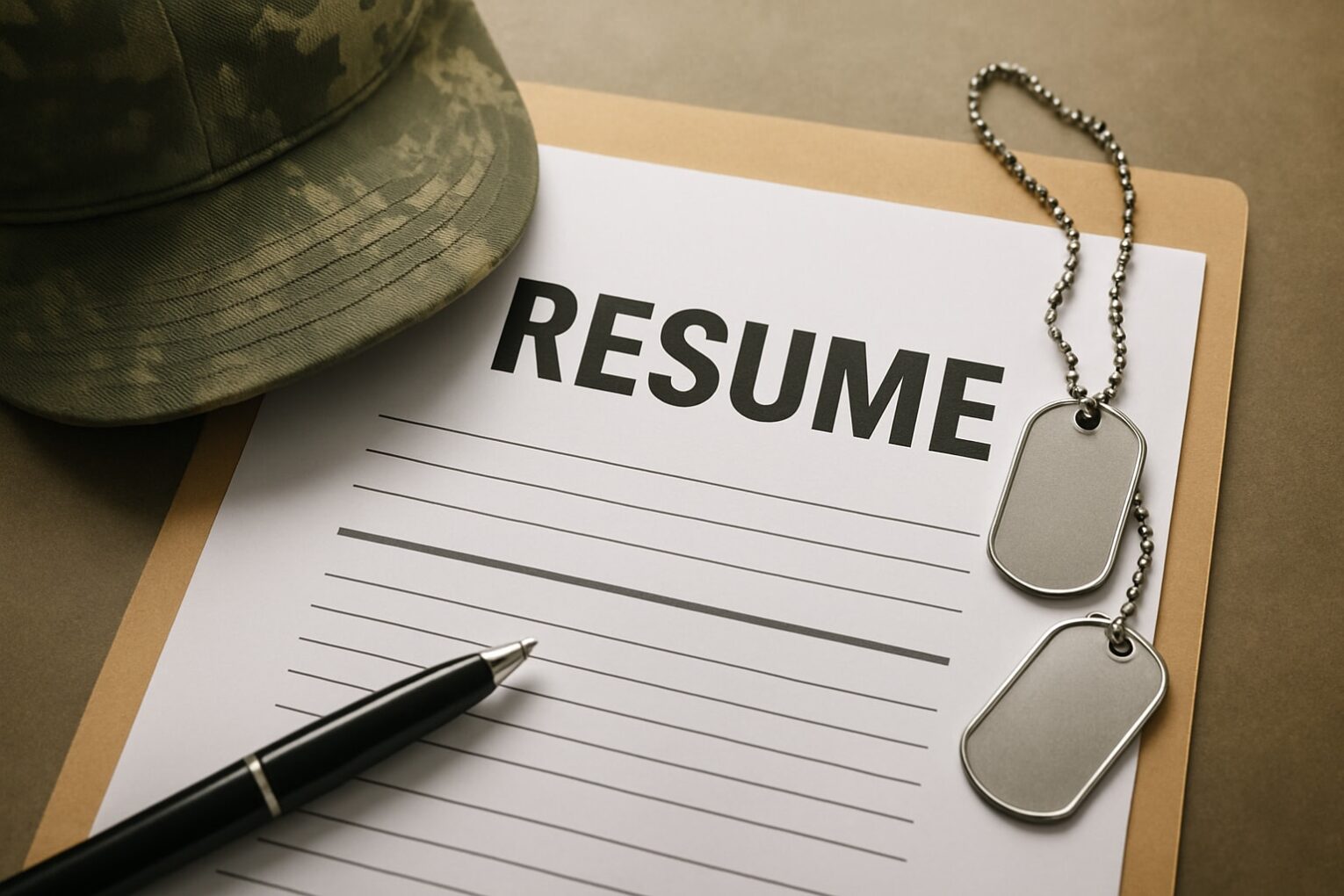
The race for Army positions and civilian defence jobs is more intense than ever. Your CV is your frontline weapon and your first impression matters.
This article reveals the 7 essential tips every candidate needs for an outstanding army resume, whether you are aiming to progress within the Army or move into civilian roles. Discover how to tailor your CV for recruiters, highlight achievements, use the right keywords, and avoid common mistakes.
Ready to set yourself apart? Use these insights to make your army resume your strongest asset.
Understanding the Army CV Landscape
The army resume landscape is rapidly evolving. Whether you are aiming for a new Army role or transitioning to a civilian defence position, understanding what recruiters seek is vital. Your CV is still your most powerful tool for opening doors, but the expectations and screening processes have changed.
Evolving Recruitment Standards and Trends
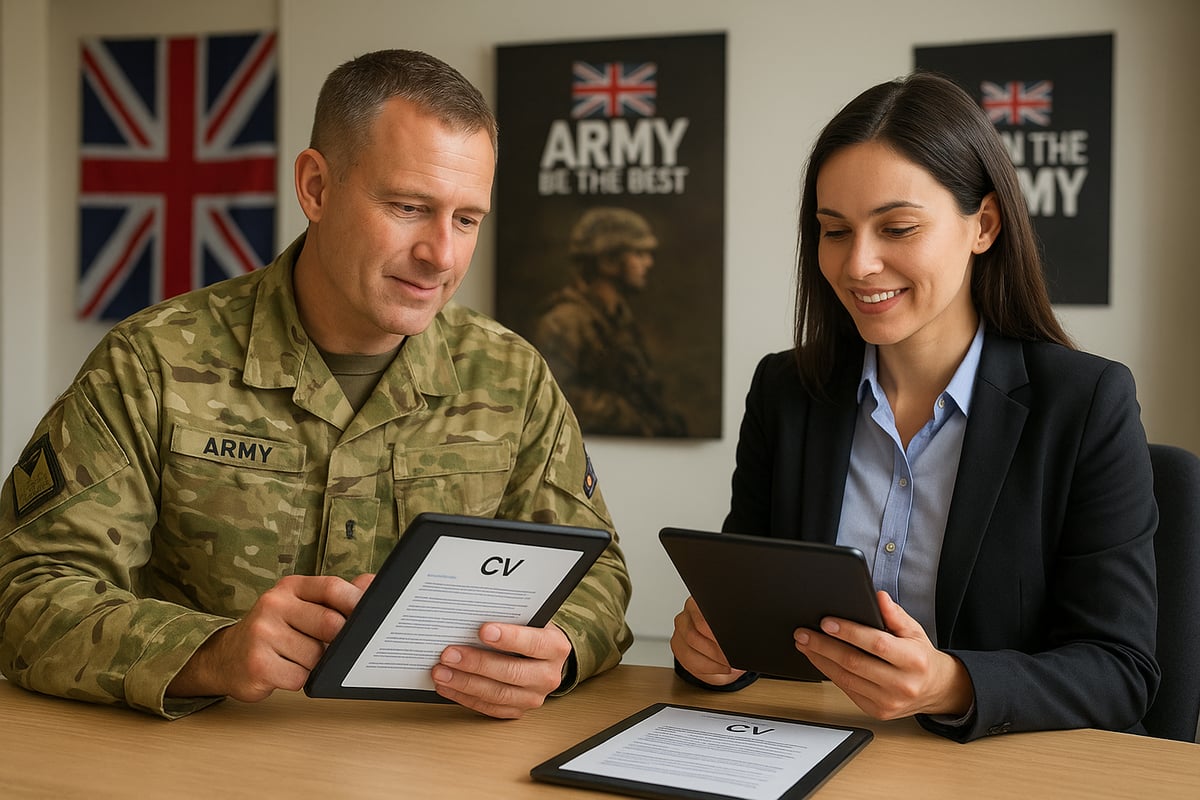
Army and MOD recruitment has embraced digital transformation. Applications are now submitted almost entirely online, with sophisticated Applicant Tracking Systems (ATS) screening most submissions before a human ever sees them. MOD reports show a 15% increase in digital screening since 2024, raising the bar for CV clarity and structure.
Recruiters are placing greater emphasis on diversity, skills-based hiring, and proven leadership potential. This means your army resume must highlight not just your service, but your adaptability and digital literacy. For example, many Army roles now require candidates to demonstrate experience with digital tools or data analysis.
A clear, concise, and achievement-focused CV is more important than ever. According to the Armed Forces to cut red tape and deliver quicker and easier recruitment service, the MOD has streamlined recruitment, making the competition even tougher and the need for a strong army resume essential.
Who Reads Your Army CV?
Your army resume will be reviewed by several different audiences, each with their own priorities. HR professionals, hiring managers, and the Civilian Personnel Advisory Centre (CPAC) all play a role in selection.
HR professionals are looking for concise, well-structured CVs that demonstrate the required skills and qualifications. Hiring managers focus on specific competencies needed for the role, such as leadership or project management. CPAC, in particular, looks for transferable skills when supporting those moving to civilian positions.
For instance, CPAC values the ability to translate military achievements into civilian terms. Tailoring your army resume with the right terminology and examples for each audience increases your chances of progressing to the next stage.
Common Pitfalls in Army CVs
Many candidates fall into similar traps with their army resume. Overusing military jargon and acronyms can confuse civilian or HR reviewers who may not be familiar with Army terminology. Another common pitfall is failing to quantify achievements; vague statements do not stand out in a crowded field.
Ignoring the job description or omitting required documents can also undermine your application. For example, not aligning your military experience with civilian job requirements could mean missing out on a shortlist.
To avoid these pitfalls, always ensure your army resume is tailored, achievement-focused, and easy to understand for any reviewer.
7 Essential Army CV Tips for Success
Send me your CV for a free review to John@johnlogan.co.uk. I’ll look through it myself and give you honest, constructive feedback as a professional CV writer.
1. Know Your Audience and Tailor Every Application
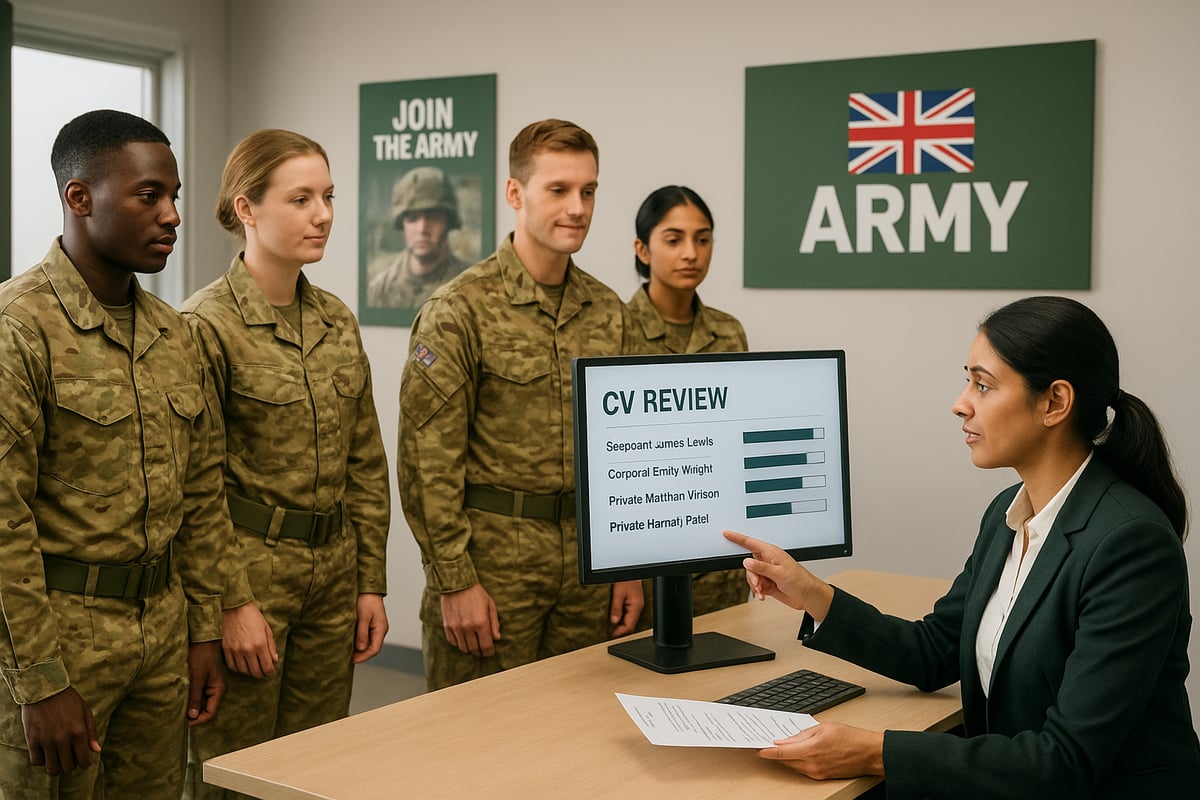
Success with your army resume starts by understanding your audience. Every application is reviewed by professionals like HR managers, Army recruiters, or the Civilian Personnel Advisory Centre (CPAC). Each group has unique expectations and priorities.
Tailor your CV to the specific branch or department you are targeting. Research the language used in job adverts and mirror it in your army resume. For example, if you are applying for a logistics position, translate your military experience into supply chain achievements using civilian terminology.
Customisation matters. Avoid using a generic army resume, as tailored applications can increase your interview rate by up to 40%. The US Army Corps of Engineers highlights that audience-focused CVs demonstrate attention to detail, which is a valued Army competency.
Understanding your audience begins with researching the role and adapting your CV accordingly. Using terminology that reflects the employer’s expectations, highlighting relevant achievements and demonstrating an understanding of the position will always create a stronger application than sending the same generic CV to every vacancy.
2. Highlight Quantifiable Achievements and Impact
Your army resume must showcase more than your duties; it should highlight your measurable impact.
A detailed one-to-one consultation helps identify the leadership achievements, operational responsibilities and measurable results that employers are looking for. This often uncovers valuable experience that would otherwise be overlooked when writing your own CV.
My CV writing services support military personnel and service leavers with bespoke CV writing, LinkedIn optimisation, interview preparation and career coaching, helping present military experience in language that civilian employers immediately understand.
Every application is strengthened further by a professionally written cover letter, allowing you to explain your motivation, demonstrate your suitability for the role and reinforce the key achievements highlighted within your CV.
Recruiters and hiring managers look for evidence of results, not just a list of tasks.
Use numbers, percentages, and specific outcomes to make your achievements stand out. For example, instead of writing “responsible for equipment maintenance,” say, “led a team of 15, reducing equipment downtime by 35%.” This approach makes your contributions tangible and relevant to both Army and civilian roles.
The MOD has found that result-driven CVs are far more effective than those that simply describe responsibilities. Quantifiable achievements help your army resume rise above the competition.
Employers are interested in the results you achieved rather than simply the responsibilities you held. Wherever possible, support your experience with measurable evidence such as team size, budgets, operational improvements, project outcomes or efficiency gains to demonstrate the value you delivered.
A results-focused army resume will always make a stronger impression.
3. Master the Use of Keywords and ATS Optimisation
Most Army and MOD applications are screened by Applicant Tracking Systems (ATS) before reaching a human reviewer. Around 75% of applications are filtered this way, so understanding how to optimise your army resume is crucial.
Identify key terms from the job description and integrate them naturally throughout your CV. Relevant keywords might include “leadership,” “logistics,” or “project management.” Avoid overstuffing your army resume with keywords, as this can reduce readability and harm your chances.
To learn more about using keywords and ATS effectively, see this guide on how to use keywords in a CV.
Optimising your CV for Applicant Tracking Systems means using relevant keywords naturally throughout the document, maintaining a simple structure and ensuring your experience clearly matches the requirements outlined within the job description. The goal is to improve readability for both recruitment software and hiring managers.
An ATS-friendly army resume increases your likelihood of progressing to the interview stage.
4. Translate Military Experience for Civilian Readability
One of the most common pitfalls in an army resume is the use of jargon and acronyms unfamiliar to civilian employers. Make your experience accessible by translating military terms into plain English.
Focus on transferable skills such as leadership, teamwork, and problem-solving. For example, change “Section Commander” to “Team Leader” when applying to civilian roles. Provide context for awards, ranks, and responsibilities to help non-military readers understand your achievements.
A case study shows ex-military candidates who translated their experience saw a 30% increase in interview invitations. Civilian recruiters value clarity and relevance over technical detail.
When applying for civilian positions, translate military terminology into language that employers immediately understand.
I also provide specialist CV writing services in Glasgow for military personnel and professionals looking to secure interviews across Scotland, combining bespoke CV writing with personalised career support.
Focus on leadership, project management, operational planning and measurable achievements rather than ranks, acronyms or military-specific terminology.
A clear and accessible army resume opens more doors in both Army and civilian sectors.
5. Structure and Format Your CV for Maximum Impact
A well-structured army resume is easy to read and makes a strong first impression. Recruiters spend just 8 seconds on an initial scan, so clarity matters.
Use a logical structure: start with a profile, then list your key skills, experience, education, and training. Bullet points enhance readability, and concise language keeps your army resume focused. Consistency in formatting is essential, so use bold for section headings and avoid decorative fonts.
A well-structured CV should begin with a strong professional profile, followed by your key skills, employment history, education and relevant training. Present each section in a logical order, using clear headings and concise wording so recruiters can quickly identify your experience and achievements.
Tips for formatting:
Stick to professional fonts like Arial or Calibri.
Align dates and job titles for easy scanning.
Limit CV length to two pages unless applying for a senior role.
A well-formatted army resume ensures your strengths are immediately visible.
6. Include All Relevant Training, Certifications, and Security Clearance
Specialist training and security clearances are often decisive factors in Army applications. List all relevant Army courses, leadership qualifications, and technical skills on your army resume.
If you hold a security clearance, such as SC or DV, mention it clearly, for example: “MOD Security Clearance: SC, valid until 2028.” Include civilian equivalents for military qualifications where possible, as this helps recruiters understand your expertise.
60% of Army roles require proof of specialist training. Make sure your army resume highlights all certifications that match the job requirements.
Training, qualifications and security clearances can provide a significant advantage, particularly when they relate directly to the position being applied for. Present these clearly and include civilian equivalents wherever appropriate to help recruiters understand the relevance of your experience.
A comprehensive army resume demonstrates your readiness and suitability.
7. Proofread Meticulously and Seek Professional Feedback
Attention to detail is a core Army value and your army resume should reflect this. Proofread every section for grammar, spelling, and formatting errors. Even a single typo can undermine your credibility, particularly in detail-oriented roles.
Ask a trusted colleague or mentor to review your CV. For expert insights, consider professional CV review services. You can also send your CV for a free professional review to John@johnloganbmc.co.uk. According to recent data, 1 in 5 CVs are rejected due to basic errors.
Before submitting your CV, review it carefully for spelling, grammar, formatting consistency and overall readability. Taking the time to proofread thoroughly and seeking an independent review demonstrates professionalism and helps eliminate mistakes that could otherwise undermine a strong application.
A meticulously reviewed army resume reflects your professionalism and commitment.
Send me your CV for a free review to John@johnlogan.co.uk. I’ll look through it myself and give you honest, constructive feedback as a professional CV writer.
Frequently Asked Questions
How long should my Army CV be?
Most Army CVs should be two pages. Senior roles may require additional detail, but conciseness is key.Should I include non-military work experience?
Yes, especially if it demonstrates transferable skills or achievements relevant to the role.How do I handle confidential or classified information on my CV?
Omit specifics, describe responsibilities in general terms, and note your security clearances.What is the best way to describe military awards and honours?
Provide a brief explanation and context for each award, focusing on relevance to the job.Can I use the same CV for Army and civilian roles?
No, always tailor your CV for the audience and role you are targeting to maximise impact.
Sample Army CV Formats and Templates
Selecting the right CV format is crucial for your army resume. With digital screening and evolving MOD expectations, your document structure can make the difference between interview success and being overlooked.
Below, explore the most effective layouts and best practices to ensure your army resume stands out, whether you are targeting military or civilian defence roles.
Modern CV Layouts for Army Roles
The format you choose for your army resume can influence how your skills and experience are perceived by recruiters. There are three primary CV formats to consider:
There are several recognised CV formats, including chronological, functional and hybrid layouts. For most military and civilian applications, a hybrid format provides the best balance by highlighting both career progression and transferable skills, allowing recruiters to quickly understand your experience and achievements.
Hybrid CVs have become the preferred choice for 55% of Army hiring managers, as they let you showcase both your achievements and your technical expertise. For example, a hybrid army resume might start with a summary of leadership skills, followed by a timeline of operational roles and measurable results.
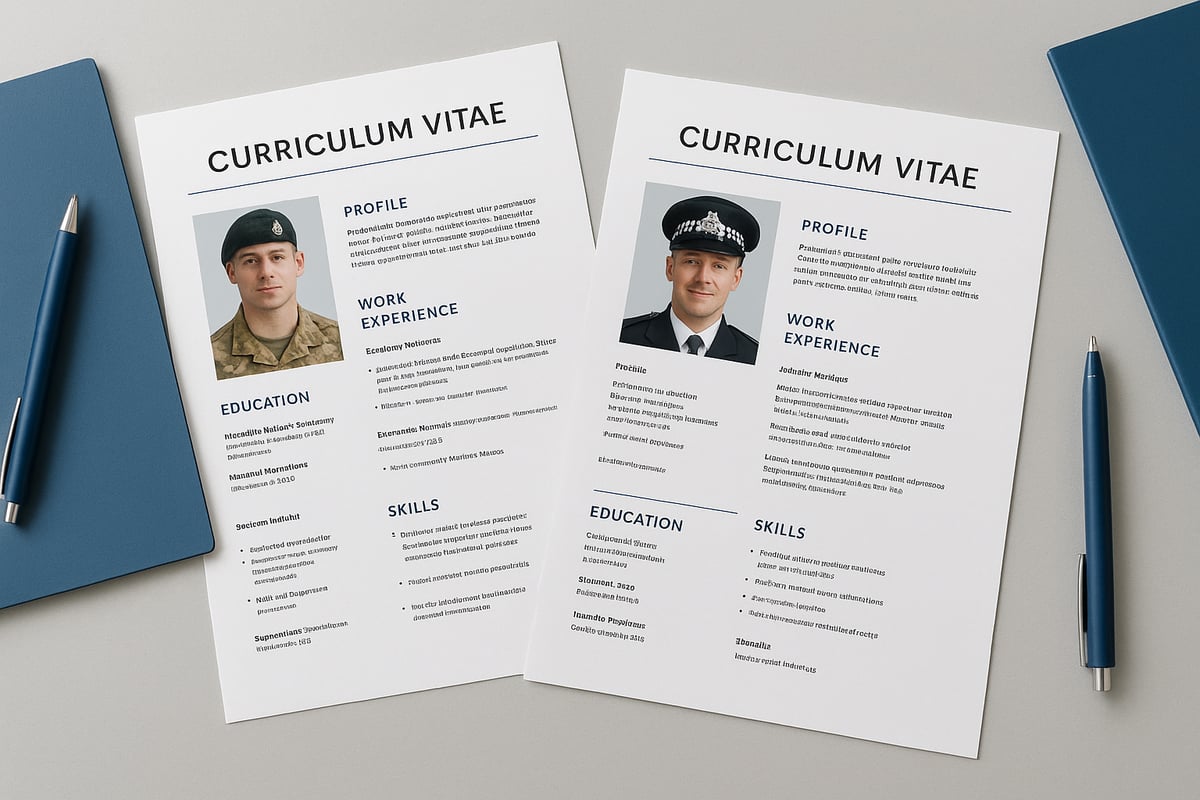
If you want inspiration, review this CV of retired Army officer to see how a real-life hybrid format brings military experience to the forefront. When presenting your army resume, use bold headings, bullet points, and clear sections. Always ensure any images used—such as English Army or police uniforms—are appropriate for the UK context.
A well-structured army resume not only makes it easier for HR and MOD reviewers to find key information, but it also demonstrates your professionalism and attention to detail.
Downloadable Resources and Where to Find Templates
Finding the right template is the first step in creating an effective army resume. Official Army and MOD websites offer downloadable templates designed recruitment standards. These templates provide a solid foundation, but always adapt them to reflect your unique experience and the specific requirements of your target role.
For those transitioning to civilian roles, the How to create a CV for ex-British military guide offers detailed advice on customising your army resume for different sectors. Additionally, the US Army Corps of Engineers provides sample CVs that can serve as useful starting points for format and content ideas.
When adapting a template, focus on clarity, consistency, and alignment with the job description. Never submit a generic army resume—customisation is key to standing out in a competitive field.
In summary, choose a format that highlights your strengths, leverage official resources, and always tailor your army resume for each application. By doing so, you will be well-positioned for success.
Frequently Asked Questions About Army CVs
Navigating the recruitment landscape can be complex, especially when preparing your Army CV. Below are answers to the most common questions to help you create an effective army resume and stand out in the application process.
1. How long should my Army CV be?
Most Army CVs, including your army resume, should be a maximum of two pages. For senior leadership positions, a third page may be justified if you have extensive experience, but always prioritise clarity and relevance.
2. Should I include non-military work experience?
Absolutely. Non-military experience on your Army CV can highlight transferable skills, adaptability, and achievements that are valuable for both military and civilian roles. Use clear examples to demonstrate how your background supports the position.
3. How do I handle confidential or classified information on my CV?
When writing your army resume, avoid including any classified details. Instead, describe your responsibilities in general terms and note your security clearance. With 75% of applications screened via an Applicant tracking system, clarity and compliance are essential.
4. What is the best way to describe military awards and honours?
Briefly explain each award on your Army CV, outlining its significance and why it is relevant to the role. This provides context for hiring managers who may not be familiar with military distinctions.
5. Can I use the same CV for Army and civilian roles?
No, you should always tailor your Army CV for the specific audience. For guidance on translating your experience, read Crafting a standout civilian CV from your military CV to ensure your CV resonates with civilian employers.
With over 40 years in business, experience interviewing thousands of candidates and more than six years writing bespoke CVs for military personnel and civilian professionals, I understand exactly what recruiters look for. Every CV is written personally through a detailed consultative process, ensuring your experience is translated into language that employers immediately recognise and value.
You can also read my client testimonials to see how former military personnel have successfully transitioned into civilian careers and secured interviews through a professionally written CV.
If you’d like personalised advice on your military CV, you can book a consultation to discuss your experience, career goals and your transition into civilian employment.
Now that you’ve explored the key strategies for crafting a standout Army CV—from tailoring your achievements to translating your experience for civilian audiences—it’s time to put these insights into action. If you want a CV that truly sets you apart and opens doors to new opportunities, working with a professional can make all the difference. I specialise in creating bespoke, results-driven CVs designed to help you secure more interviews and progress faster in your career. Ready to take the next step? Discover how my Professional CV Writer UK Bespoke CV Writing Service for Results can help you achieve your goals.