
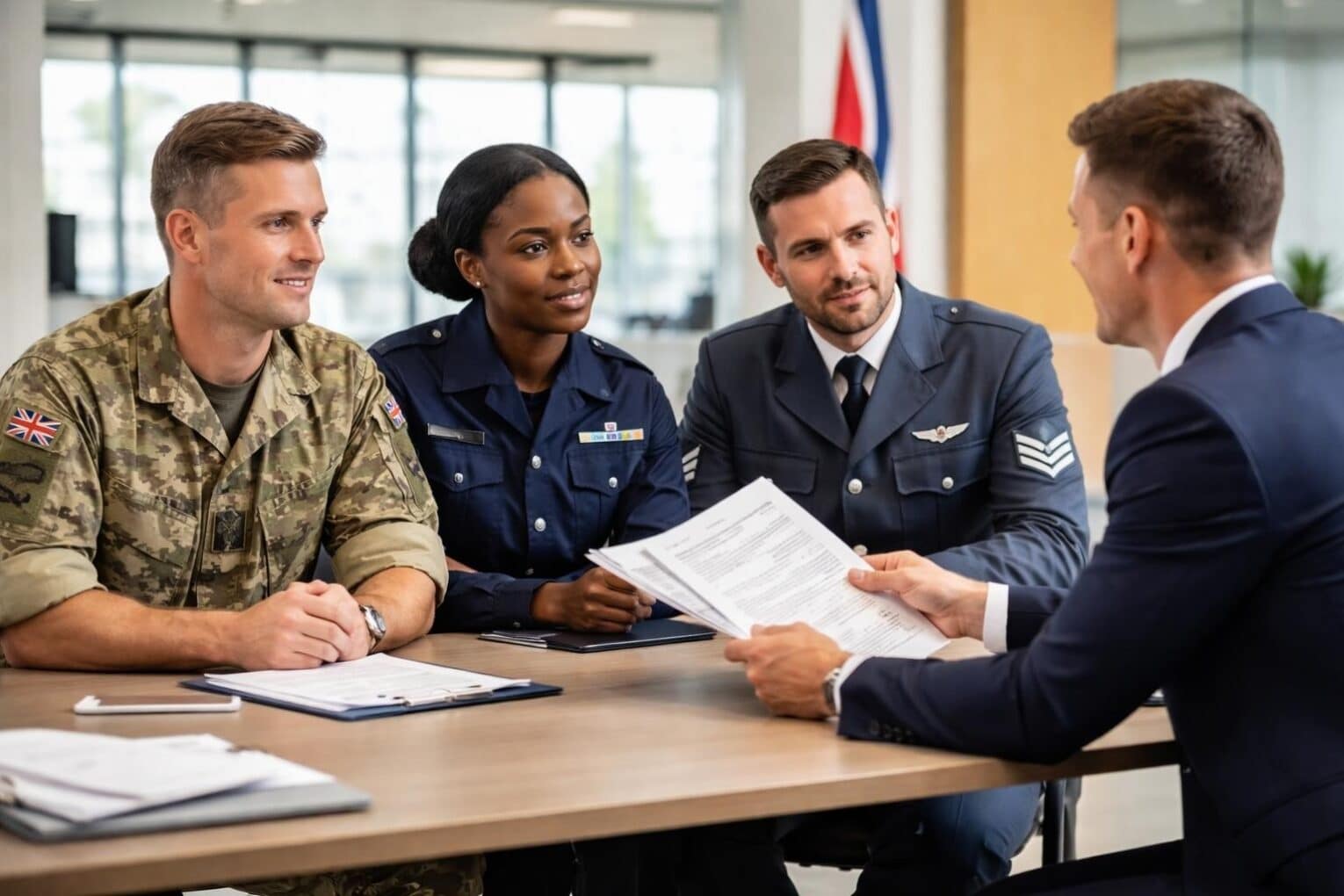
Transitioning from military service to civilian employment represents one of the most significant career shifts anyone can make. The challenge isn’t a lack of skills or experience; it’s communicating your achievements in a language that civilian employers understand. Military resume examples provide invaluable frameworks for veterans seeking to translate operational success, leadership under pressure, and technical expertise into compelling CVs that open doors across industries. Whether you served in the British Army, Royal Navy, Royal Air Force, or Royal Marines, your service has equipped you with transferable skills that employers actively seek, but presenting them effectively requires strategic thinking and careful formatting.
Understanding the Military-to-Civilian Translation Challenge
The primary obstacle veterans face when crafting their CVs isn’t what they’ve accomplished, but how they describe it. Military terminology, acronyms, and rank structures mean nothing to most civilian hiring managers. A Warrant Officer Class 2 in the Royal Electrical and Mechanical Engineers might have managed multi-million-pound budgets and led teams of 30 technicians, but if your CV describes this using military jargon, it won’t resonate.
Effective military resume examples demonstrate how to bridge this gap. They show how “commanded a section of 12 personnel during Operation HERRICK” translates to “led and developed a team of 12 professionals in high-pressure operational environments, achieving 100% mission success rate.” The substance remains identical, but the language shifts to a civilian context.
Core Principles for Military CVs
Successful military CVs focus on measurable achievements, transferable skills and language that civilian employers immediately understand. Rather than describing military duties, they demonstrate leadership, operational success and technical expertise in a way that clearly shows the value you can bring to a civilian organisation.
Most veterans struggle with the first draft because they default to military speak. This is entirely natural after years of service writing operational reports and briefings.
Structuring Your Military CV for Maximum Impact
The structure of your CV matters as much as its content. Military resume examples typically follow a format that prioritises relevance and clarity over chronological rigidity. For veterans, this means creating sections that immediately demonstrate value to civilian employers.
Professional Summary: Your Opening Statement
Your professional summary sits at the top of your CV, immediately below your contact details. This 3-4 line section must capture attention and establish your value proposition. Weak summaries simply state “Former Army officer seeking civilian role.” Strong summaries from military resume examples read more like this:
“Results-driven operations manager with 12 years’ experience leading teams of up to 40 personnel in complex, high-pressure environments. Proven track record in logistics coordination, risk management, and strategic planning. Expert in process optimisation, budget management (£2M+), and cross-functional team leadership. Seeking to apply operational excellence and leadership capabilities within the logistics sector.”
This summary translates military experience into civilian competencies whilst maintaining credibility and impact. It uses terminology that recruiters understand whilst hinting at the depth of experience gained through service.
Skills Section: Bridging Military and Civilian Worlds
Your skills section requires careful curation. Military resume examples demonstrate how to list both hard and soft skills in ways that resonate with civilian employers. Consider this comparison:
The right-hand column speaks directly to civilian job descriptions. When employers search for candidates with “supply chain management” experience, they won’t find your CV if it only mentions “Q duties” or “G4 operations.” Understanding how to create a CV with a professional summary helps position these skills effectively.
Military Resume Examples by Service Branch
Different service branches emphasise different competencies, and effective military resume examples reflect this nuance. A Royal Navy engineer brings different primary skills than a Household Cavalry trooper, even though both possess valuable transferable capabilities.
Army Resume Examples
Army veterans often possess strong leadership, logistics, and operational planning experience. When reviewing military resume examples for Army personnel, the focus typically centres on team management, operational delivery, and adaptability. A typical achievement might read:
“Managed logistics operations supporting 500+ personnel across three deployed locations, coordinating supply chains worth £1.2M annually whilst maintaining 99% equipment availability despite challenging operational conditions.”
This statement works because it quantifies scope (500+ personnel, £1.2M), demonstrates responsibility (management, coordination), and highlights results (99% availability).
Royal Navy and Royal Marines Examples
Naval and Marine personnel frequently transition into project management, engineering, or security roles. Their military resume examples emphasise technical competencies, maritime operations, and global deployment experience. Consider this example:
“Led 15-person technical team maintaining £30M equipment inventory aboard Type 45 destroyer during 8-month deployment, achieving zero critical failures and 15% reduction in maintenance costs through process improvements.”
Royal Air Force Examples
RAF personnel often move into aviation, engineering, IT, or technical training roles. Effective military resume examples for RAF veterans highlight precision, technical expertise, and compliance with strict regulatory frameworks.
Translating Military Achievements into Civilian Results
The most powerful military resume examples don’t just list responsibilities; they demonstrate impact through quantified achievements. This approach aligns with what employers actually want to see: evidence that you can deliver results.
The Achievement Formula
Effective achievement statements follow a clear pattern: Action Verb + Context + Quantified Result. Here’s how this plays out across different military backgrounds:
Leadership achievements: “Developed and mentored a team of 8 junior technicians, resulting in 100% promotion rate and unit recognition for excellence in maintenance operations.”
Process improvement: “Redesigned equipment requisition process, reducing average turnaround time from 14 days to 5 days and improving operational readiness by 23%.”
Budget management: “Administered £850K operational budget for training programmes, delivering 12% cost savings whilst expanding training capacity by 30%.”
Project delivery: “Coordinated multinational logistics operation supporting 200 personnel across four countries, completed on time and 8% under budget despite unforeseen complications.”
Training and development: “Designed and delivered health and safety training programme for 120+ personnel, achieving zero safety incidents over 18-month period.”
Common Mistakes in Military CVs
Even strong candidates undermine their applications through preventable CV errors. Military resume examples highlight what works, but learning from common mistakes proves equally valuable.
Overuse of Acronyms and Military Jargon
Writing “Served as SQMS responsible for G4 ops, including CES management and MT fleet oversight” means nothing to civilian recruiters. Even if you explain acronyms on first use, excessive military terminology creates barriers. Better: “Managed quartermaster stores operations, including logistics, equipment services, and vehicle fleet management for a 120-person unit.”
Listing Duties Instead of Achievements
Many veterans produce CVs that read like job descriptions: “Responsible for equipment maintenance. Supervised junior soldiers. Conducted health and safety inspections.” This approach fails to differentiate you from every other candidate with similar experience.
Employers are interested in the impact you made rather than simply the responsibilities you held. Wherever possible, explain how you improved performance, reduced costs, increased efficiency, developed people or delivered measurable results. Achievement-focused writing creates a far stronger impression than simply listing day-to-day duties.
Military resume examples that succeed focus on what you achieved, not just what you did. Compare these two approaches:
Poor Formatting and Length
Some veterans submit 4-5 page CVs crammed with every course attended and every posting held. Civilian hiring managers spend approximately 30 seconds on initial CV review. If they can’t quickly identify your value, your application fails.
Most military resume examples demonstrate that two pages suffice for even extensive careers. Prioritise relevance over comprehensiveness. Your CV should highlight achievements that matter to your target role, not provide a complete service record.
Industry-Specific Military Resume Examples
Veterans successfully transition into virtually every sector, but tailoring your CV to specific industries significantly improves your success rate. Military resume examples should be adapted based on your target field.
Senior officers and military leaders often require a more strategic approach to career documentation, with greater emphasis placed on organisational leadership, commercial awareness and measurable business impact. Professionally written executive CVs help position this experience effectively for senior appointments
Logistics and Supply Chain Management
Former logisticians, storekeepers, and transport specialists possess directly transferable skills. Emphasise:
Supply chain coordination and inventory management
Budget oversight and cost control
Vendor relationship management
Process optimisation and efficiency improvements
Compliance with regulations and quality standards
Security and Law Enforcement
Military police, close protection specialists, and security-cleared personnel often move into corporate security, law enforcement, or risk management. Highlight:
Security operations and risk assessment
Incident response and crisis management
Investigation and intelligence gathering
Regulatory compliance and documentation
Team coordination under pressure
Engineering and Technical Roles
Royal Engineers, technicians, and specialist tradespeople transition effectively into construction, engineering, and technical sectors. Focus on:
Technical qualifications and certifications
Project management and delivery
Health and safety compliance
Equipment maintenance and troubleshooting
Quality assurance and testing procedures

Optimising Your Military CV for Applicant Tracking Systems
Modern recruitment relies heavily on Applicant Tracking Systems (ATS), which scan CVs for keywords before human eyes ever see them. Military resume examples must account for this technological gatekeeping. When working as a professional CV writer, I ensure every CV is optimised to pass these systems whilst remaining compelling to human readers.
Every client also benefits from a detailed one-to-one consultation, allowing achievements, career progression and transferable skills to be explored fully before the writing process begins. This ensures your CV is built around genuine evidence rather than assumptions.
ATS-Friendly Formatting Guidelines
An ATS-friendly CV uses a clear structure, recognised section headings and straightforward formatting that allows Applicant Tracking Systems to read the document accurately. Relevant keywords should be incorporated naturally whilst ensuring the CV remains professional, engaging and easy for recruiters to scan.
Keyword Strategy for Veterans
Professional job descriptions often contain recurring keywords that Applicant Tracking Systems use to identify suitable candidates. Reviewing several vacancies in your chosen sector will quickly highlight the leadership, technical and operational language employers consistently use. Naturally incorporating these terms throughout your CV improves its relevance whilst ensuring it still reads well to recruiters.
However, avoid keyword stuffing. ATS algorithms have become sophisticated enough to detect unnatural keyword density. Your CV must read well to humans whilst incorporating relevant terminology that ATS recognise.
Addressing Employment Gaps and Career Changes
Many veterans worry about employment gaps between service discharge and securing civilian roles. Military resume examples handle this concern through strategic positioning and transparency.
Positioning Your Transition Period
If you’ve spent 3-6 months post-service focusing on qualifications, job searching, or family commitments, address this proactively. Consider adding a brief line in your professional summary: “Currently completing transition to civilian employment sector following 15 years’ distinguished military service.”
Alternatively, if you’ve undertaken professional development during this period, create an entry:
Professional development during your transition demonstrates commitment to continuous improvement and helps strengthen your civilian profile. Qualifications, industry certifications, software training and networking activities all show employers that you’re actively preparing for your next career and investing in your long-term professional development.
Career Change Considerations
Some veterans pursue entirely new fields post-service. Perhaps you served in infantry roles but now target project management, or worked as a chef but want to move into hospitality management. Military resume examples for career changers emphasise transferable skills and relevant qualifications over direct experience.
Your professional summary becomes critical: “Former Royal Marines Colour Sergeant transitioning project management expertise gained through operational planning and team leadership into the civilian construction sector. Recently qualified in PRINCE2 and APM methodologies.”
Cover Letters for Military Veterans
Whilst this article focuses primarily on military resume examples, the importance of accompanying cover letters cannot be overstated. Every application benefits from a tailored cover letter that addresses why you’re transitioning, what attracts you to the specific role, and how your military background uniquely positions you for success.
Military cover letters should directly address the transition: “After 12 rewarding years serving in the Royal Logistics Corps, I’m eager to apply my logistics coordination and team management expertise within civilian supply chain operations.” This statement acknowledges your background whilst clearly expressing civilian career intentions.
Understanding bespoke cover letters and how they complement your CV significantly strengthens applications. I work with veterans to create cover letters that position their service as an asset while demonstrating a genuine understanding of civilian workplace expectations.
Networking and the Hidden Job Market
Military resume examples prepare you for advertised roles, but many opportunities never appear on job boards. Veterans often overlook networking, assuming civilian employment works entirely through formal applications. In reality, approximately 70% of jobs come through networking and referrals.
Former police officers face many of the same challenges when translating operational experience into civilian language. Presenting leadership, safeguarding responsibilities, investigation experience and public service achievements effectively can significantly strengthen applications for both public and private sector roles.
Building Your Civilian Network
Start by connecting with other veterans who’ve successfully transitioned. Organisations like the Officers’ Association, Career Transition Partnership, and industry-specific veteran groups provide valuable contacts and insights. LinkedIn becomes essential; ensure your profile mirrors your CV and actively engage with content in your target industry.
Former military personnel who build a strong LinkedIn profile alongside their CV often increase their visibility to recruiters and hiring managers. A professionally written LinkedIn profile supports your personal brand, reinforces your experience and helps create additional career opportunities beyond traditional job applications.
Attend industry events, join professional bodies relevant to your field, and don’t hesitate to reach out for informational interviews. Many civilian professionals respect military service and willingly offer guidance to transitioning veterans.
Leveraging Military Connections
Your service connections extend beyond other veterans. Consider civilian contractors you worked with, personnel from other government departments, or industry representatives you encountered during procurement or operations. These contacts often prove willing to provide introductions or advice.
Frequently Asked Questions About Military Resume Examples
How long should my military CV be?
Your CV should typically span two pages, regardless of service length. Focus on the most relevant and impressive 10-15 years of experience. Earlier career details can be summarised briefly. Three-page CVs occasionally work for very senior roles or highly technical positions, but two pages remain the standard. Quality and relevance matter far more than a comprehensive career history.
Should I include all my military qualifications and courses?
No. Include qualifications directly relevant to your target role or those recognised in civilian sectors (HGV licences, health and safety certifications, project management qualifications, technical trade certificates). Omit purely military courses unless they demonstrate transferable skills. A three-week military first aid course matters; a one-day briefing on operational security probably doesn’t unless targeting security roles.
How do I translate my military rank into civilian terms?
Don’t simply state your rank without context. Instead, describe the role and responsibility level. “Team Leader managing 12 personnel” works better than “Corporal.” For senior ranks, consider civilian equivalents: “Operations Manager” for Major-level roles, “Department Head” for Lieutenant Colonel positions, or “Senior Manager” for WO1/SMC positions.
When should I mention security clearances?
Include security clearances if relevant to your target sector (defence contractors, government roles, certain IT positions, security services). State the clearance level (SC, DV) and status (current, lapsed). If applying outside these sectors, clearances add little value and waste precious CV space. They can always be mentioned in interviews if they become relevant.
How do I address concerns about fitting into civilian workplace culture?
Address this proactively through your CV language and supporting documents. Avoid overly formal or rigid phrasing that reinforces stereotypes about military personnel struggling with civilian flexibility. Highlight examples of collaboration, adaptability, and working with diverse stakeholders. Your cover letter provides space to directly address cultural fit, perhaps mentioning successful civilian collaborations during service or post-service civilian work experience, even if brief or voluntary.
Final Thoughts on Military Resume Examples
Military resume examples provide frameworks and inspiration, but your CV must ultimately reflect your unique experience, skills, and career aspirations. The principles remain consistent: translate military terminology into civilian language, quantify achievements, optimise for ATS, and present information in a clean, professional format that respects recruiters’ limited time.
Remember that your military service represents a significant strength, not a liability requiring apology or excessive explanation. The discipline, leadership, problem-solving abilities, and resilience you’ve developed through service are precisely what many employers actively seek. Your challenge lies simply in communicating these attributes effectively through a well-crafted CV that speaks the language of civilian employment.
Reviewing Careerday’s military resume examples alongside other resources helps identify patterns and approaches that resonate with your background. However, generic templates rarely capture the full scope of individual experience. Personalisation matters, whether you undertake that work yourself or engage professional support.
For additional guidance on CV strategy and structure, explore resources available through the John Logan blog, which covers various aspects of professional CV writing beyond military transitions.
Successfully transitioning from military to civilian employment requires a CV that honours your service whilst speaking directly to employer needs in accessible, achievement-focused language. Military resume examples provide valuable frameworks, but your CV must ultimately reflect your unique value proposition and career goals. If you’re unsure which level of support best suits your career stage, you can also explore my CV writing services to compare the options available for professionals, managers, executives and service leavers.
You can also read my client testimonials to see how former service personnel and professionals across a wide range of industries have secured interviews, promotions and successful career transitions through a bespoke CV writing service.
As a former Royal Navy veteran who successfully transitioned into civilian leadership and business ownership, I understand the challenges service leavers face when presenting military experience to civilian employers. My consultative approach focuses on translating operational achievements, leadership experience and transferable skills into language that recruiters immediately recognise and value.
If you’d like personalised advice about your own military CV, you can also book a consultation to discuss your experience, career objectives and the opportunities you’re targeting.