
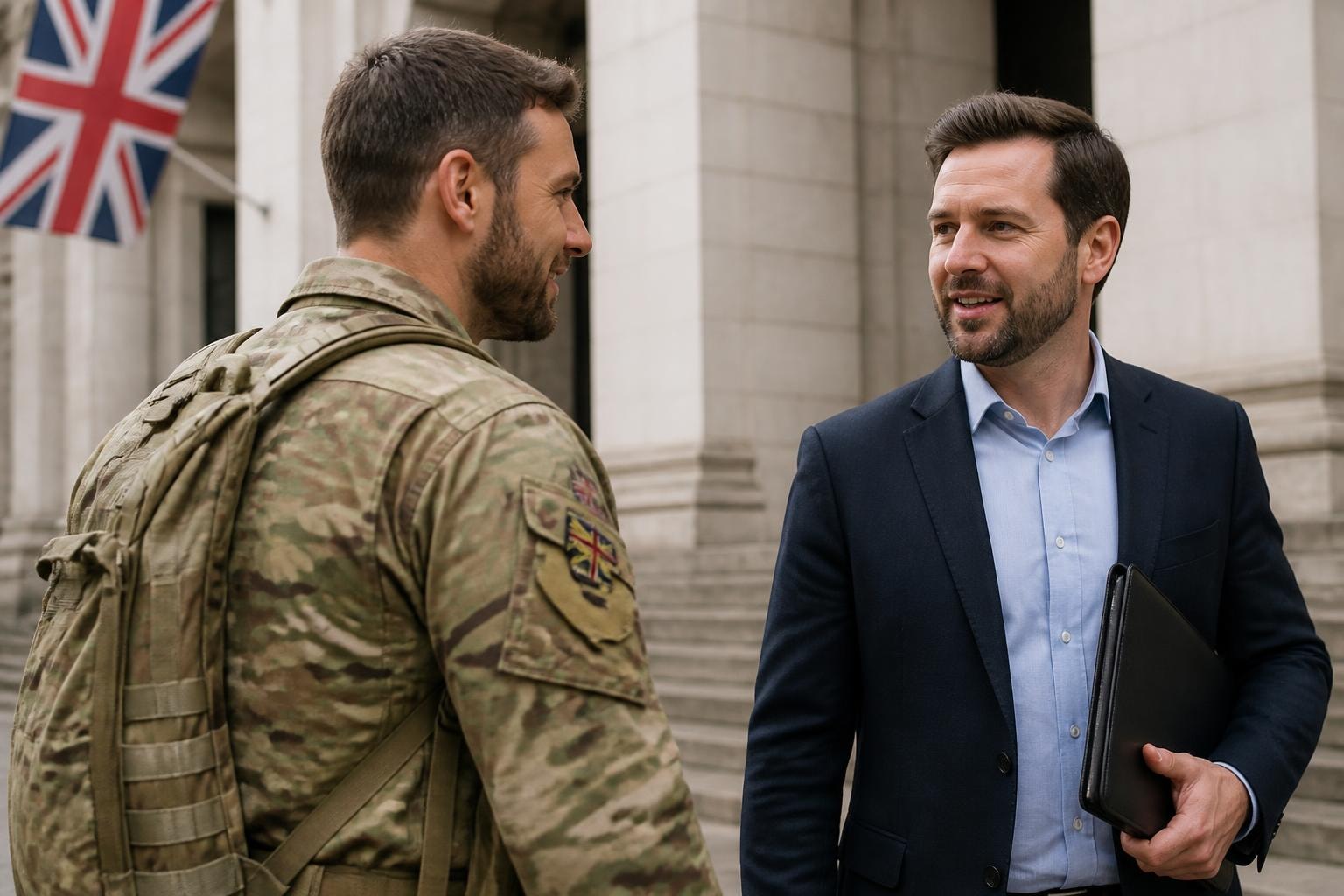
Transitioning from military service to civilian employment represents one of the most significant career changes anyone will experience. The challenge isn’t a lack of skills or experience-service personnel possess exceptional qualities that employers value highly. The difficulty lies in translating military terminology, ranks, and achievements into a language that civilian recruiters understand and appreciate. A specialist military CV writing service bridges this gap, ensuring your years of dedication, leadership, and technical expertise don’t get lost in translation when you enter the civilian job market.
Understanding the Military to Civilian Transition Challenge
Service leavers face unique obstacles when entering the civilian workforce. Military roles often carry titles and responsibilities that have no direct equivalent in civilian positions, making it difficult for hiring managers to grasp the full scope of your capabilities.
When you’ve spent years as a Senior Non-Commissioned Officer or a Commissioned Officer, your experience encompasses project management, personnel development, logistics coordination, and strategic planning. However, these responsibilities are often obscured by military-specific terminology.
The Language Barrier Between Military and Civilian Sectors
The first hurdle in any transition is communication. Terms like “battle group operations,” “force protection,” or “operational planning” mean little to a civilian HR manager reviewing applications for a logistics coordinator role. Yet the skills underlying these military functions are precisely what many employers desperately need.
A professional military CV writing service understands both worlds. The process involves:
- Identifying transferable skills within military experience
- Translating ranks and positions into civilian equivalents
- Quantifying achievements with metrics that resonate with employers
- Restructuring experience to highlight leadership, problem-solving, and technical competencies
- Removing jargon whilst maintaining the substance of your accomplishments
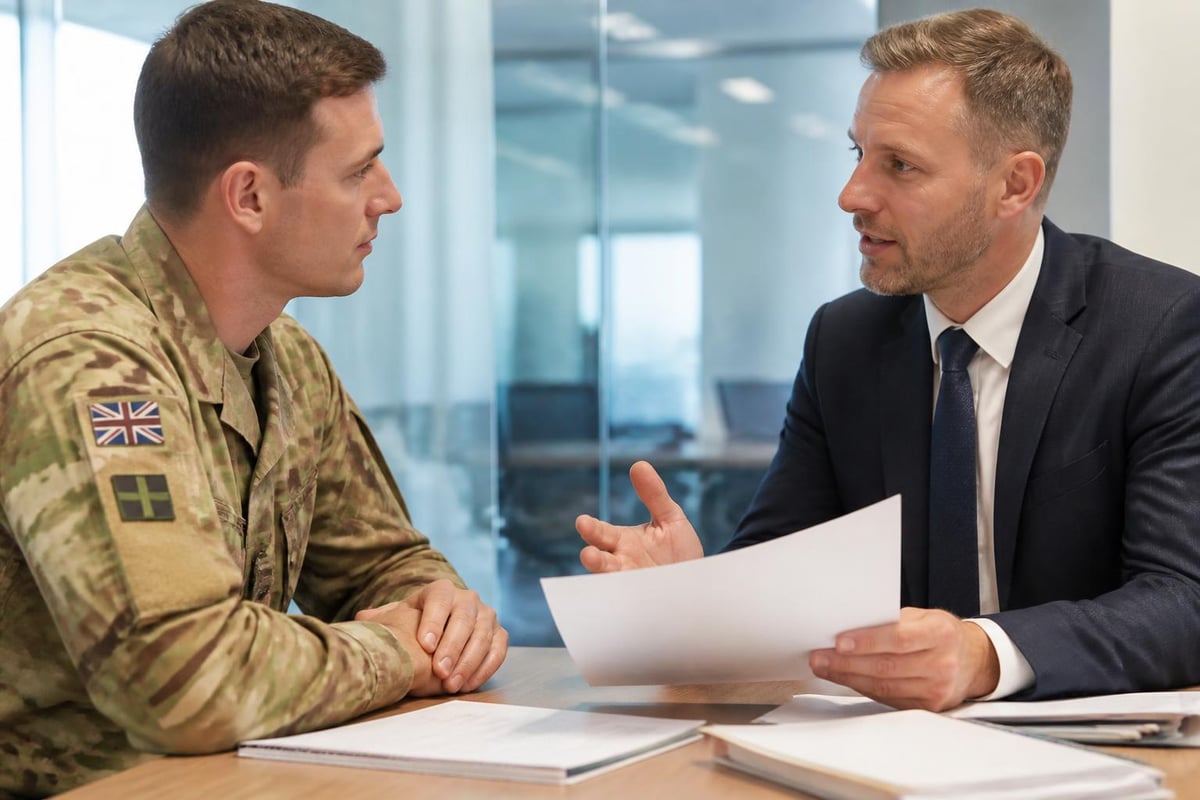
Why Generic CV Services Fail Military Personnel
Standard CV writing approaches simply don’t work for service leavers. Template-based services lack the nuanced understanding required to effectively showcase military careers. These generic providers typically ask you to complete questionnaires or forms, then slot your information into predetermined formats.
This approach fails because military experience doesn’t fit neatly into boxes designed for traditional career progressions. Your development pathway-from initial training through various postings, operational deployments, and specialist courses-requires context that only someone with recruitment expertise can properly articulate.
The ATS Challenge for Military CVs
Applicant Tracking Systems (ATS) present another significant obstacle. These automated screening tools scan CVs for specific keywords and phrases before human eyes ever see your application. Military terminology rarely matches the keywords civilian employers programme into their ATS recruitment systems.
| Military Term | Civilian Equivalent | ATS Impact |
|---|---|---|
| Squadron Leader | Senior Operations Manager | High match rate |
| Warrant Officer | Technical Team Lead | Moderate match rate |
| Force Protection | Security Management | High match rate |
| Battle Group | Cross-functional Team | Low match rate |
| Operational Planning | Strategic Project Management | High match rate |
Understanding how to optimise your CV for both ATS software and human readers requires specialist knowledge. This is where a dedicated military CV writing service proves invaluable, ensuring your application passes digital gatekeepers whilst remaining compelling for hiring managers.
Essential Elements of an Effective Military CV
Your CV must tell a coherent story that civilian employers can follow and appreciate. This means restructuring your career narrative to emphasise outcomes, leadership impact, and transferable competencies rather than listing duties and responsibilities.
Professional Summary That Commands Attention
The opening section of your CV carries enormous weight. Within the first ten seconds of reviewing your application, a recruiter decides whether to continue reading or move to the next candidate. For military personnel, this summary must immediately establish your value proposition.
Effective summaries for service leavers should:
- Lead with your current or most recent rank and years of service
- Highlight your primary area of expertise in civilian terms
- Quantify your leadership scope (team sizes, budgets, projects)
- Mention key achievements with measurable results
- State your security clearance level if relevant
Rather than: “Experienced Army Sergeant with extensive operational background seeking civilian opportunities,” try: “Operations Manager with 12 years’ military experience leading teams of up to 30 personnel, delivering complex logistics projects worth £2M+, and maintaining 98% operational readiness across multiple deployments.”
Structuring Your Career History for Maximum Impact
Chronological format works best for most military personnel, but the way you describe each role determines whether recruiters understand your capabilities. Each position should follow a consistent structure that emphasises achievements over duties.
Recommended approach:
- Position title (civilian equivalent) | Military rank | Dates
- Brief context (team size, budget, operational scope)
- 3-5 bullet points focused on achievements, not tasks
- Quantified results wherever possible
- Skills demonstrated (in civilian language)
The transferability of skills strategy helps frame your experience in terms civilian employers immediately recognise. When describing your responsibilities, think about the business functions you performed: Did you manage budgets? Coordinate across departments? Develop personnel? Implement new systems?
How a Military CV Writing Service Transforms Your Application
Professional CV writers specialising in military transitions bring several critical advantages to your job search. These specialists combine recruitment industry knowledge with an understanding of military structure and culture.
The consultative process typically begins with an in-depth discussion of your career journey, not a form to fill in. This conversation explores your roles, achievements, qualifications, and career aspirations. A skilled CV writer asks probing questions that help uncover accomplishments you might consider routine but that civilian employers find remarkable.
For instance, you might view organising a deployment for 100 personnel as simply “doing your job.” However, a professional CV writer recognises this as evidence of complex project management, logistics coordination, risk assessment, and team leadership-all highly valued in the civilian sector.
The Research and Translation Phase
After understanding your background, a specialist military CV writing service researches the civilian sectors and roles you’re targeting. This research identifies the specific terminology, priorities, and competencies that employers in those fields value most.
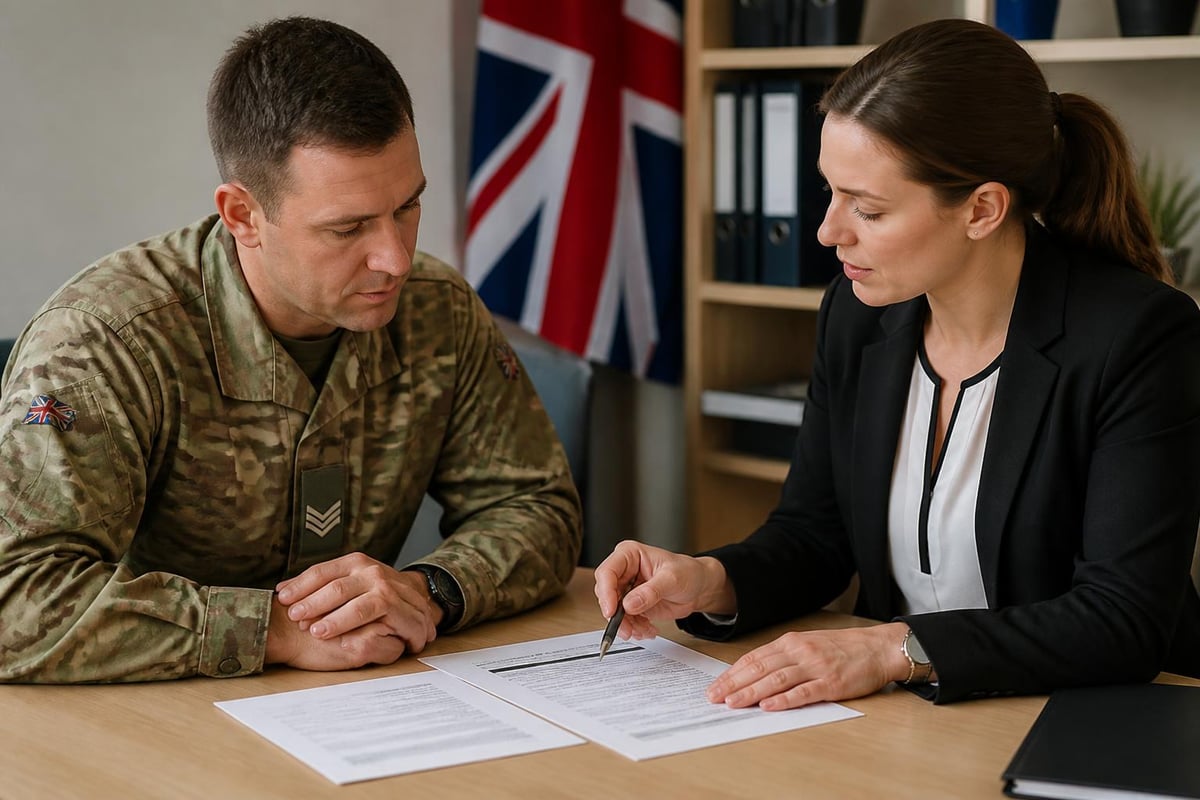
Your CV is then crafted from scratch, with every word chosen deliberately to:
- Match keywords from target job descriptions
- Demonstrate relevant competencies through concrete examples
- Highlight leadership and decision-making capabilities
- Showcase technical skills and qualifications
- Present your experience in a format familiar to civilian recruiters
This bespoke approach ensures your CV isn’t just another military-to-civilian template but a strategic document tailored to your specific career goals. When working with professional CV writers, you’ll review each draft together, refining the content until it accurately represents your capabilities whilst resonating with your target employers.
Key Achievements: The Heart of Your Military CV
Civilian employers make hiring decisions based on evidence of your ability to deliver results. For military personnel, this means translating operational successes, training achievements, and leadership accomplishments into language that demonstrates business value.
Many service leavers struggle with this aspect because military culture often discourages self-promotion. However, your CV isn’t the place for modesty-it’s a marketing document designed to secure interviews.
Quantifying Military Achievements
Numbers provide concrete evidence of your impact. When describing key achievements in your CV, include metrics such as:
- Team sizes managed
- Budgets controlled
- Project timelines and delivery records
- Efficiency improvements (percentage increases/decreases)
- Training completion rates
- Equipment or resource values overseen
- Cost savings delivered
- Performance ratings achieved
Rather than: “Responsible for vehicle maintenance,” write: “Managed preventive maintenance programme for 45 vehicles worth £3.5M, achieving 96% operational readiness and reducing breakdown incidents by 34% through systematic inspection protocols.”
Addressing Common Military CV Pitfalls
Even with excellent experience, military CVs often fail to secure interviews due to avoidable mistakes. Understanding these pitfalls helps you recognise why a specialist military CV writing service can make such a significant difference.
Acronym Overload
Military organisations love acronyms, but civilian recruiters don’t understand them. Your CV should avoid or minimise military-specific abbreviations. When you must use an acronym, spell it out on first use, then follow with the acronym in parentheses.
Common issues include:
| Problem | Solution |
|---|---|
| Excessive military acronyms | Spell out or replace with civilian terms |
| Generic duty descriptions | Focus on specific achievements |
| Lack of quantifiable results | Add metrics and percentages |
| Overly technical language | Explain in layman’s terms |
| Missing context for roles | Provide scope (team size, budget, etc.) |
| Irrelevant early career details | Consolidate or summarise older roles |
Length and Format Concerns
UK CVs should typically be two pages, regardless of your years of service. A military CV writing service helps you prioritise the most relevant and impressive elements of your career whilst condensing or removing less pertinent details.
Your most recent and relevant experiences receive the most space, with earlier roles summarised more briefly. If you’ve served for 20+ years, your first few positions might be consolidated into a single line or omitted entirely if they add little value to your current objectives.
Complementary Documents: Cover Letters and LinkedIn
Your CV forms just one part of your application package. A comprehensive military CV writing service also addresses cover letters and LinkedIn optimisation, ensuring consistency across all your professional materials.
Tailored Cover Letters for Service Leavers
Generic cover letters achieve nothing. Each application should include a bespoke cover letter that connects your military background directly to the specific role you’re pursuing. This document provides context for your transition and demonstrates your understanding of the civilian organisation’s needs.
Effective cover letters for military personnel:
- Open with a strong statement about why you’re transitioning and what attracts you to this specific role
- Select 2-3 relevant achievements from your military career that directly address the job requirements
- Explain how your military values (integrity, commitment, teamwork) align with the company culture
- Address any potential concerns (such as lack of direct civilian experience) proactively
- Close with confidence and a clear call to action
LinkedIn Profile Optimisation
Recruiters increasingly use LinkedIn to source candidates, making your profile a critical component of your job search strategy. However, simply copying your CV content to LinkedIn misses the platform’s unique opportunities.
Your LinkedIn profile should be conversational yet professional, incorporating keywords that recruiters search for whilst telling your story in a more engaging way than your CV allows. The platform also enables you to gather recommendations from former colleagues and supervisors, providing third-party validation of your capabilities.
When optimising for service leavers, focus on:
- Translating your job titles in the experience section
- Using the summary section to explain your transition and aspirations
- Joining relevant professional groups in your target industry
- Sharing content that demonstrates your knowledge of civilian sectors
- Connecting with recruiters and professionals in your field of interest
Industry-Specific Considerations for Military Transitions
Different civilian sectors value different aspects of military experience. A quality military CV writing service tailors your application materials to the specific industries you’re targeting.
Technology and Engineering Sectors
If you have technical military experience (communications, engineering, IT systems), these skills translate well into civilian technology roles. However, you must emphasise:
- Specific technical qualifications and certifications
- Systems and platforms you’ve worked with (using civilian equivalents where possible)
- Problem-solving achievements in technical contexts
- Project management of technical implementations
- Team leadership in technical environments
Operations and Logistics
Military logistics expertise is highly valued in supply chain, procurement, and operations management roles. For these sectors, highlight:
- Scale of logistics operations managed
- Inventory management and control systems
- Vendor/supplier relationship management
- Cost control and budget management
- Process improvement initiatives
- Crisis management and contingency planning
Security and Risk Management
Former military personnel are natural candidates for security, risk management, and business continuity roles. Emphasise:
- Security clearance levels
- Risk assessment and mitigation experience
- Incident response and crisis management
- Team protection and safety protocols
- Compliance and regulatory knowledge
- Training delivery and assessment
The Value of Professional Guidance in Your Transition
Attempting to navigate the military-to-civilian transition alone often leads to frustration and missed opportunities. You might send dozens of applications without securing interviews, not because you lack capability, but because your CV doesn’t effectively communicate your value in civilian terms.
A specialist military CV writing service provides several crucial advantages:
Objective perspective: You’re too close to your own experience to see it as civilian employers do. A professional CV writer identifies the aspects of your background that civilian recruiters find most compelling, whilst knowing what to de-emphasise or remove.
Industry knowledge: Professional CV writers understand what different sectors prioritise. They know which skills to highlight for project management roles versus operational positions, and how to position your experience accordingly.
ATS expertise: Understanding how to navigate Applicant Tracking Systems whilst maintaining readability for human reviewers requires technical knowledge. Specialist writers ensure your CV passes automated screening without sacrificing quality.
Time efficiency: Crafting an effective CV requires dozens of hours of research, writing, and refinement. Engaging professional help accelerates your transition, getting you to interview stage faster.
Confidence building: When you have a professionally written CV that you’re proud to submit, you approach your job search with greater confidence. This positive mindset carries through to networking, applications, and interviews.
Selecting the Right Military CV Writing Service
Not all CV writing services offer genuine expertise in military transitions. When evaluating providers, consider these factors:
Experience and Specialisation
Look for writers who specifically mention military transitions in their expertise. Ask about:
- How many military CVs they’ve written
- Their understanding of military ranks and structures
- Examples of successful placements they’ve supported
- Their own background (military service, recruitment experience, career coaching)
- The process they use (consultative vs. template-based)
Personalised Approach
Avoid services that rely on questionnaires or forms. Quality military CV writing services involve direct conversation, reviewing your experience in depth, and collaborative refinement of drafts. The writer should be willing to explain their choices and adjust based on your feedback.
Comprehensive Service Offering
The best providers offer more than just CV writing. Look for services that include:
- Detailed career consultation
- Multiple revision rounds
- Cover letter writing
- LinkedIn profile optimisation
- Interview preparation guidance
- Ongoing support during your transition
Many organisations offer comprehensive support for service leavers, services that help businesses scale operations efficiently-skills military personnel excel at having managed complex operations throughout their careers.
Proven Track Record
Client testimonials and reviews provide valuable insight into the quality and effectiveness of a military CV writing service. Look for specific examples of successful transitions, ideally with details about the roles secured and industries entered.
Services with consistently high ratings and detailed feedback demonstrate their commitment to client success. Review platforms and word-of-mouth recommendations from other service leavers can guide your decision.
Frequently Asked Questions About Military CV Writing
Q: How long should my military CV be?
A: UK CVs should typically be two pages regardless of your length of service. A professional military CV writing service helps you prioritise the most relevant experiences whilst summarising or omitting less pertinent details. Focus on the last 10-15 years of your career, with earlier roles condensed into brief summaries if they add value.
Q: Should I include my security clearance on my CV?
A: Yes, absolutely. Security clearance represents significant value to many civilian employers and can be expensive and time-consuming to obtain. List your clearance level (SC, DV, etc.) prominently in your CV, typically in your professional summary or a dedicated “Clearances and Certifications” section. This immediately differentiates you from candidates without clearance.
Q: How do I explain gaps in employment due to operational deployments?
A: Operational deployments aren’t employment gaps-they’re active service periods that demonstrate your commitment and capability. On your CV, these periods should be incorporated into your role descriptions, not left as unexplained gaps. When describing positions, note “including X operational deployments” or similar phrasing to provide context without creating the appearance of career interruptions.
Q: Can I use the same CV for different types of roles?
A: No. Effective job searching requires tailoring your CV to each role or sector you’re targeting. Whilst your core experience remains constant, the emphasis, keywords, and examples should align with specific job requirements. A military CV writing service often creates a master CV, then helps you understand how to customise it for different applications whilst maintaining consistency.
Q: What’s the best way to contact a professional CV writer about military transition support?
A: The most effective approach is direct email contact, explaining your background briefly and asking about their experience with military transitions. For personalised guidance on translating your military experience into a compelling civilian CV, you can reach out to John@johnloganbmc.co.uk for expert consultation on your specific situation.
Maximising Your Transition Success Beyond the CV
Whilst your CV is crucial, successful military-to-civilian transition requires a broader strategy. Your CV opens doors, but interviews, networking, and continuous learning determine your ultimate success.
Interview Preparation for Service Leavers
Securing interviews is just the first step. Military personnel often struggle in civilian interview settings because the format and expectations differ significantly from military promotion boards or assessments.
Interview preparation should address:
- Translating your experiences into compelling stories using the STAR method (Situation, Task, Action, Result)
- Understanding civilian interview conventions and expectations
- Preparing questions that demonstrate your research and interest
- Addressing potential concerns about your military background
- Discussing salary expectations (which may differ significantly from military pay structures)
Networking in Civilian Contexts
Military personnel often have strong networks within the armed forces but limited civilian contacts. Building professional relationships in your target industry significantly increases your transition success.
Effective networking strategies include:
- Attending industry events and conferences
- Joining professional associations relevant to your target field
- Connecting with other veterans who’ve successfully transitioned
- Engaging with content and conversations on LinkedIn
- Volunteering or taking short-term projects to build civilian experience
Continuous Professional Development
Some military qualifications translate directly to civilian equivalents, whilst others may require supplementary certifications to maximise your marketability. Research the qualifications valued in your target sector and consider pursuing relevant certifications during your transition period.
This might include project management qualifications (PRINCE2, APM), technical certifications (ITIL, Cisco, etc.), or sector-specific credentials that complement your military training and demonstrate your commitment to your chosen civilian field.
Send me your CV for a free review to John@johnlogan.co.uk. I’ll look through it myself and give you honest, constructive feedback as a professional CV writer.
Translating military experience into compelling civilian CVs requires specialist knowledge of both worlds-understanding military structure whilst knowing precisely what civilian employers value. Rather than struggling alone with this critical transition, professional guidance ensures your years of service, leadership, and achievement receive the recognition they deserve. John Logan Consulting and Mentoring offers bespoke, consultative CV writing services specifically designed for military personnel transitioning to civilian careers, combining recruitment expertise with a deep understanding of how to position service leavers for success. Contact John@johnloganbmc.co.uk today to discuss how professional CV writing can accelerate your transition and open doors to the civilian opportunities you deserve.