

When navigating the job application process, many candidates find themselves confused about the fundamental differences between essential career documents. The CV vs cover letter debate represents one of the most common questions in professional recruitment, yet understanding these distinctions can dramatically improve your application success rate. Both documents serve crucial but entirely different purposes in presenting your professional credentials to potential employers. Whilst a CV provides a comprehensive overview of your career history, qualifications, and achievements, a cover letter offers a targeted, persuasive narrative that connects your experience directly to the specific role you’re pursuing.
Understanding the Core Differences
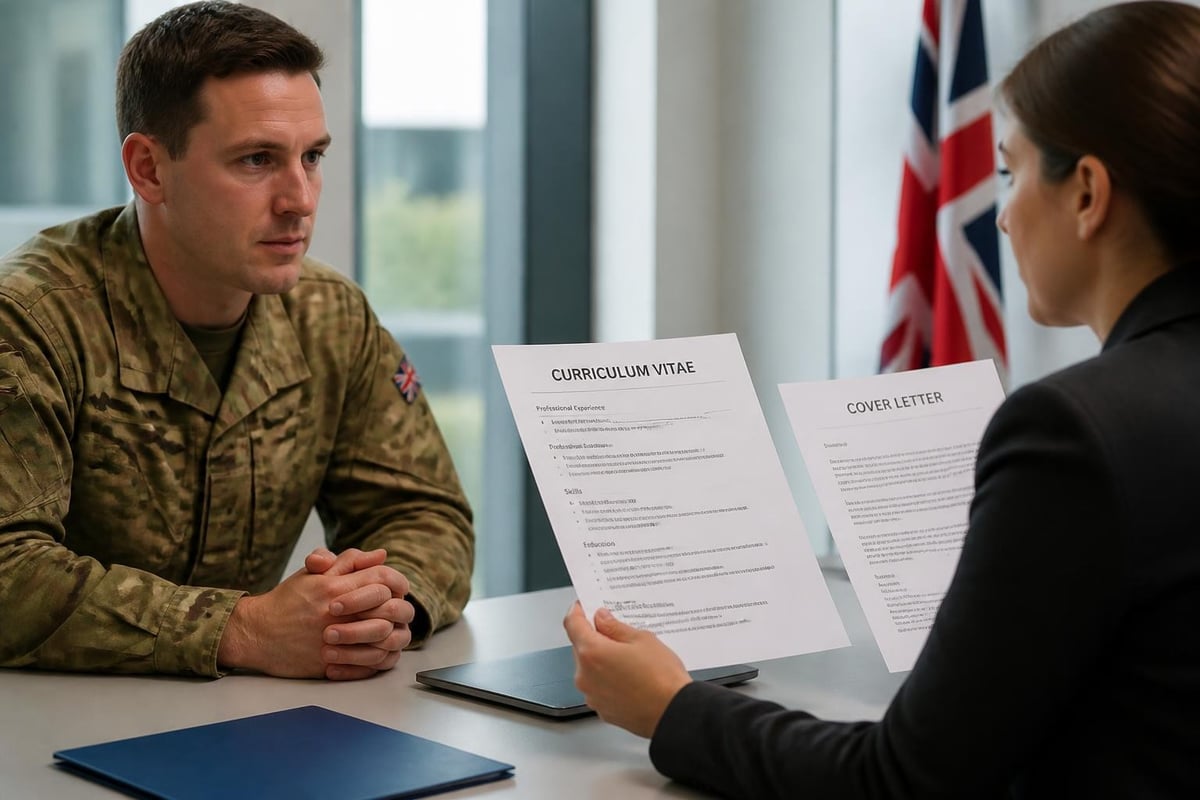
The distinction between a CV and a cover letter begins with their fundamental purpose and structure. A CV (Curriculum Vitae) serves as your complete professional record, documenting your career journey chronologically or functionally. It includes employment history, qualifications, skills, achievements, and relevant professional information.
A cover letter, conversely, is a targeted communication piece that accompanies your CV. It addresses the hiring manager directly and explains why you’re the ideal candidate for that specific position.
Key structural differences include:
- Length: CVs typically span two pages for most professionals, whilst cover letters remain concise at one page maximum
- Format: CVs use sections and bullet points; cover letters follow standard business letter formatting
- Tone: CVs present factual information objectively; cover letters adopt a more personal, persuasive tone
- Content focus: CVs are comprehensive; cover letters are selective and role-specific
When to Use Each Document
The CV vs cover letter question often extends to when each document is required or optional. In the UK job market, both documents typically form part of standard applications, though expectations vary by industry and organisation size.
CV Requirements
You’ll always need a CV when:
- Applying for any professional position through formal channels
- Registering with recruitment agencies
- Networking at industry events
- Uploading your profile to job boards
- Requesting informational interviews or mentorship
Cover Letter Necessity
The CV vs cover letter debate intensifies around whether cover letters remain necessary in 2026. Despite some claims that they’re becoming obsolete, most professional positions still expect them.
Cover letters are essential when:
- The job advertisement specifically requests one
- Applying through formal recruitment processes
- Changing careers or industries
- Explaining employment gaps or unusual career transitions
- Applying to organisations with traditional corporate cultures
Content Strategy for Each Document
The CV vs cover letter content approach requires completely different strategies. Your CV focuses on comprehensive documentation, whilst your cover letter emphasises strategic selection and persuasion.
CV Content Essentials
Effective CVs in 2026 prioritise achievement-based content over lists of responsibilities. Rather than stating “Managed team of five,” demonstrate impact: “Led team of five to exceed quarterly targets by 34%, implementing new workflow processes that reduced project completion time by 12 days.”
Your CV should include:
- Contact details (name, location, phone, email, LinkedIn)
- Professional profile (2-3 lines summarising your value proposition)
- Career history (recent 10-15 years, achievement-focused)
- Key skills (technical and soft skills relevant to your field)
- Qualifications (degrees, certifications, professional memberships)
- Additional sections (publications, languages, volunteering as relevant)
Understanding what to include in your CV ensures you prioritise information that hiring managers value most. Avoid personal details such as age, marital status, or photographs unless specifically requested in certain industries.
Cover Letter Content Framework
The content strategy for CVs vs cover letters differs fundamentally because cover letters require customisation for each application. A generic cover letter signals laziness and a lack of genuine interest.
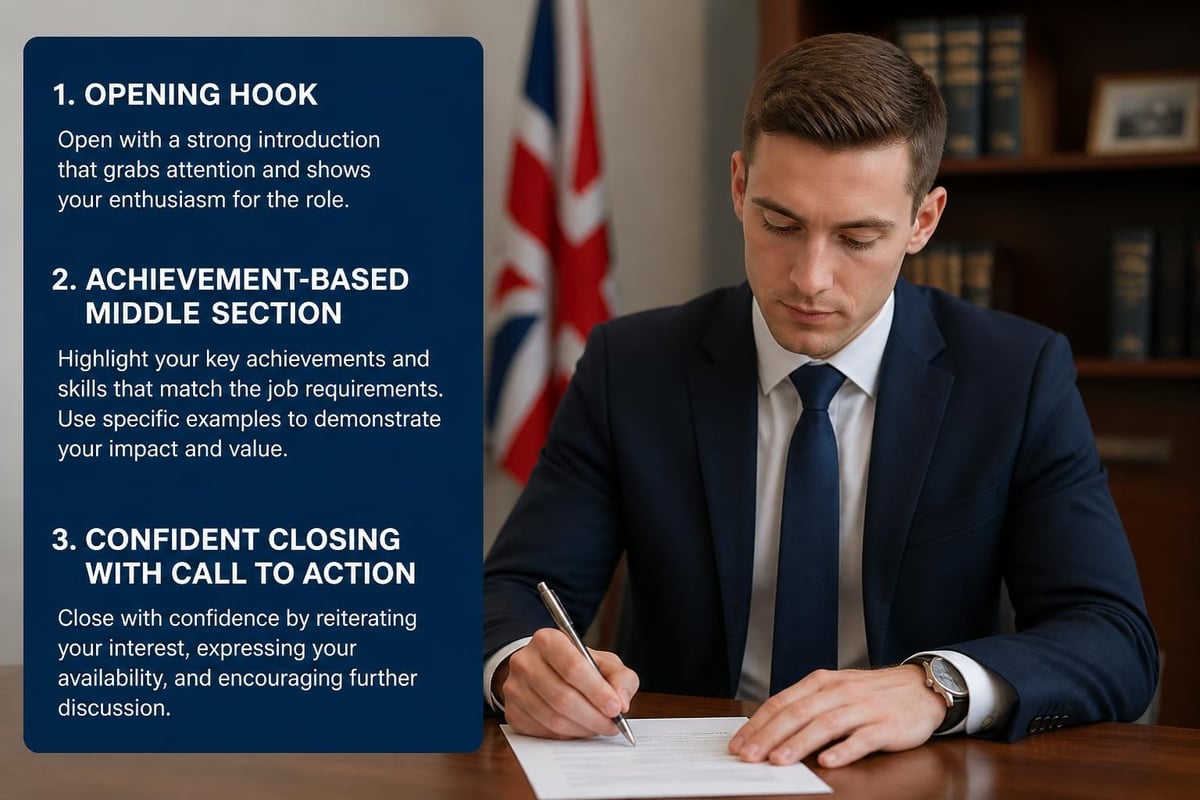
Effective cover letters follow this structure:
Opening paragraph: State the specific position, where you found it, and one compelling reason you’re an excellent match.
Middle paragraphs: Select 2-3 key achievements or skills from your CV that directly address the job requirements. Expand on these with specific examples and quantifiable results. Connect your experience to the organisation’s needs, challenges, or goals.
Closing paragraph: Reiterate your enthusiasm, mention availability for the interview, and include a professional sign-off.
The language in cover letters should be more dynamic and engaging than in CVs Use active voice, powerful verbs, and confident phrasing. Where your CV states facts, your cover letter tells the story behind those facts.
How CVs and Cover Letters Work Together
The relationship between the CV and cover letter should be complementary, not competitive. When strategically aligned, these documents create a powerful application package that addresses employer needs from multiple angles.
Strategic alignment techniques:
- Reference 2-3 key CV achievements in your cover letter with additional context
- Use your cover letter to explain career transitions that might appear unclear on your CV
- Highlight personality traits and cultural fit in your cover letter that your CV cannot convey
- Address potential concerns (employment gaps, career changes) proactively in your cover letter
- Ensure consistent language, tone, and positioning across both documents
Customisation Strategy
The CV vs cover letter customisation levels differ significantly. Your CV requires minor adjustments between applications, focusing mainly on your professional profile and skills emphasis. Your cover letter demands complete rewriting for each position.
Understanding key achievements in your CV helps you identify which accomplishments deserve expansion in your cover letter. Select achievements that directly address the employer’s stated needs or challenges.
Technical Considerations: ATS and Formatting
The technical requirements for CVs vs cover letters have evolved significantly with the widespread adoption of Applicant Tracking Systems. Both documents must navigate ATS filters whilst remaining visually appealing for human readers.
ATS-friendly CV practices:
- Use standard section headings (Professional Experience, Education, Skills)
- Incorporate relevant keywords naturally throughout your content
- Avoid tables, text boxes, headers, and footers that confuse ATS parsers
- Submit in requested format (typically Word .docx for best ATS compatibility)
- Use standard fonts (Arial, Calibri, Times New Roman)
- Include both acronyms and full terms (e.g., “Search Engine Optimisation (SEO)”)
Keywords are among the most critical ATS factors. Research the importance of keywords in CVs to understand how to identify and incorporate relevant terms without keyword stuffing.
Digital Applications and Modern Expectations
The CV vs cover letter landscape continues to evolve with digital application systems and changing recruitment practices. Understanding current expectations helps you adapt your approach effectively.
Online Application Systems
Many organisations now use online portals that require information to be entered into specific fields rather than document uploads. These systems often request:
- Parsed CV data entered into standardised fields
- Cover letter text pasted into designated boxes
- Responses to specific screening questions
Even when systems parse your information, always upload your formatted CV and cover letter. Many recruiters review uploaded documents rather than relying solely on parsed data, which often contains formatting errors or incomplete information.
Email Applications
When applying via email, the CV vs cover letter presentation requires careful consideration. Your email body should contain a brief cover note (3-4 sentences) introducing your application, with your full cover letter and CV attached as separate documents.
Email application best practices:
- Subject line: “Application for [Job Title] – [Your Name]”
- Brief, professional email body mentioning attached documents
- Cover letter as PDF with clear filename (FirstName_LastName_CoverLetter.pdf)
- CV as PDF or Word document as requested (FirstName_LastName_CV.pdf/docx)
- Professional email signature with contact details
Practical Questions About CVs and Cover Letters
How long should my CV be in 2026?
For most professionals, two pages represent the optimal CV length. This gives you enough space to detail recent relevant experience while keeping recruiters engaged. Senior executives with 20+ years of extensive experience might extend to three pages, but only if all content remains directly relevant to target roles. Early-career professionals with limited experience should aim for one to two pages at most. The key lies not in meeting a specific page count but in including only information that strengthens your application. Every line should serve a purpose and demonstrate value.
Do I really need a cover letter if the job posting says it’s optional?
In most cases, yes. A well-written cover letter demonstrates interest, professionalism and communication skills, helping your application stand out from other candidates.
Can I use the same cover letter for multiple applications?
No, effective cover letters require customisation for each application. Generic cover letters immediately signal a lack of genuine interest and effort to hiring managers. Whilst you might develop a basic template structure, each cover letter should reference the specific organisation, role, and requirements. Mention the company by name, address their particular challenges or goals, and explain why this specific opportunity interests you. The CV vs cover letter effort distribution typically involves maintaining one core CV with minor adjustments, whilst rewriting cover letters for each application.
Should my CV and cover letter match visually?
Using the same fonts, formatting and contact details creates a professional and consistent application package, although content remains far more important than design.
How often should I update my CV and cover letter?
Update your CV whenever you achieve something significant, gain new qualifications or change roles. Cover letters should be written specifically for each application.
Understanding is a crucial step toward application success, but creating documents that truly showcase your value requires expertise and strategic positioning. Our professional support helps your application package present your experience compellingly and position you confidently for your target roles. If you’re ready to transform your career documents and open doors to better opportunities, John Logan Consulting and Mentoring provides bespoke CV writing, tailored cover letters, and strategic career guidance that delivers results. Reach out today to discuss how professional CV writing can accelerate your career progression.
Send me your CV for a free review to John@johnloganbmc.co.uk. I’ll look through it myself and give you honest, constructive feedback as a professional CV writer.