

Stepping into the professional world after university presents a unique challenge: translating academic success into a document that convinces employers you're worth interviewing. Graduate CV writing requires a fundamentally different approach from experienced professional applications. You're not selling years of employment history; you're demonstrating potential, transferable skills, and readiness to contribute from day one. The challenge lies in presenting yourself as a credible candidate when your practical experience may be limited to placements, part-time work, or university projects. Understanding how to structure your achievements, what to emphasise, and how to position yourself effectively can mean the difference between landing interviews and watching applications disappear into recruitment systems without response.
Understanding What Recruiters Want From Graduate Applications
Recruiters reviewing graduate CVs approach the task differently from how they assess experienced candidates. They're not expecting extensive work histories or decades of achievements. Instead, they're looking for indicators of potential: evidence you can learn quickly, adapt to professional environments, and demonstrate the fundamental skills their organisation needs.
Academic performance matters, particularly for competitive graduate schemes, but it's rarely the deciding factor on its own. Employers want to see how you've applied knowledge, solved problems, and worked with others. A first-class degree from a prestigious university might open doors, but your ability to articulate what you learned from group projects, how you approached challenges during your dissertation, or what you contributed during work placements often carries equal weight.
The biggest mistake in graduate CV writing is treating university as separate from professional preparation. Every module, project, society involvement, and part-time job contributes evidence of your capabilities. The question isn't whether these experiences are relevant; it's whether you're presenting them effectively.
Many graduates underestimate the value of non-academic experiences. Working weekends in retail whilst studying demonstrates time management, customer service skills, and work ethic. Serving as treasurer for a society shows financial responsibility and organisational capability. Volunteering reveals commitment and values. These experiences provide concrete examples of skills employers actively seek.

Structuring Your Graduate CV for Maximum Impact
The structure of your graduate CV should guide recruiters through your strongest credentials efficiently. Unlike experienced professionals who typically lead with career history, graduate CV writing often benefits from prioritising education and skills that directly relate to target roles.
Start with essential contact information: full name, phone number, email address, and location (city level suffices). LinkedIn profile URLs add credibility if your profile is professionally maintained. Avoid photographs unless specifically requested, as UK recruitment practices generally discourage them to reduce unconscious bias.
Your personal statement sits immediately below contact details and serves a critical function. In three to four sentences, you must establish who you are professionally, what you offer, and what you're seeking. This isn't about listing attributes or using generic phrases like "motivated graduate seeking opportunities." Instead, connect your degree subject and key strengths to specific career intentions. For instance: "Economics graduate with strong analytical and data interpretation skills developed through dissertation research on consumer behaviour patterns. Seeking to apply quantitative analysis expertise and economic modelling knowledge within market research or business intelligence roles."
Education typically follows the personal statement for graduates. List your degree first, including institution, qualification title, classification (or expected classification), and graduation date. Relevant modules, dissertation topics, or significant projects deserve mention if they align with target roles. A computing graduate applying for software development positions should highlight programming languages, development methodologies, and technical projects completed during their course.
Work experience comes next, presented in reverse chronological order. Every role matters, regardless of how unrelated it might seem. The key lies in identifying transferable skills and presenting responsibilities clearly. Rather than simply stating "worked as sales assistant," describe what you achieved: "Consistently exceeded monthly sales targets by 15% through proactive customer engagement and product knowledge development." This approach demonstrates results-oriented thinking that employers value.
Skills sections should be specific and honest. Avoid vague claims about being a "team player" or having "excellent communication skills." Instead, list technical competencies, software proficiency, languages spoken, and certifications held. If you're proficient in Excel, specify your capability level: pivot tables, VLOOKUP functions, data visualisation, or VBA macros.
Additional sections might include achievements, publications, presentations, or relevant interests. Only include these if they strengthen your application. Captaining a university sports team demonstrates leadership; casual hobbies rarely add value unless directly relevant to the role or company culture.
Tailoring Content for Different Graduate Opportunities
Generic CVs rarely succeed in competitive graduate markets. Effective graduate CV writing requires customisation for each application, aligning your presentation with specific role requirements and organisational expectations.
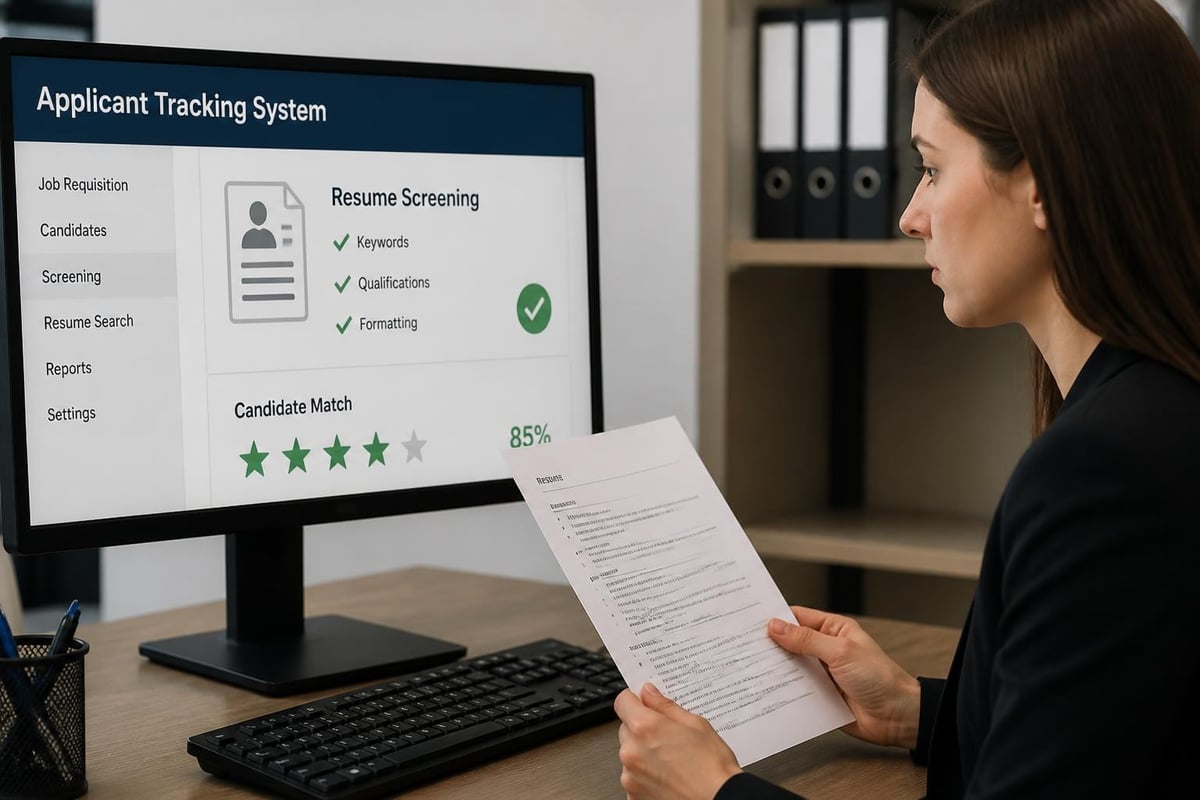
Graduate schemes at major corporations often use applicant tracking systems that scan for keywords and specific qualifications. Study job descriptions carefully, identifying required skills, qualifications, and competencies. If the role emphasises project management, ensure your CV demonstrates relevant experience through coursework, society leadership, or work placements. When analytical skills are prioritised, highlight modules involving data analysis, research methodologies, or quantitative assessments.
Smaller organisations and start-ups may value adaptability and breadth over specialisation. Here, demonstrating diverse experiences and willingness to contribute across multiple areas strengthens your application. Emphasise varied responsibilities from different contexts and your comfort with ambiguity and change.
Sector-specific expectations also influence effective graduate CV writing. Creative industries may appreciate more personality and unconventional formatting, whilst legal or financial services expect conservative, traditional presentations. Research typical standards within your target sector before finalising your approach.
The University of Wisconsin–Madison's Writing Center provides detailed tips on CV writing that can help you understand how to adapt your presentation for different contexts whilst maintaining professionalism throughout.
Addressing Limited Experience Strategically
The perceived weakness of limited professional experience becomes manageable through strategic presentation. Graduate CV writing succeeds by reframing how you demonstrate capability and readiness.
University projects offer rich material for demonstrating professional skills. A marketing dissertation involving primary research shows research design, data collection, analysis, and presentation capabilities. Group assignments reveal collaboration, conflict resolution, and shared responsibility. Technical projects demonstrate problem-solving, technical proficiency, and project completion.
Present these experiences using the same structure you'd apply to employment: describe the situation, your role, actions taken, and results achieved. This STAR approach (Situation, Task, Action, Result) provides concrete evidence rather than abstract claims.
Part-time work and vacation employment deserve proper recognition. Hospitality roles develop customer service, high-pressure performance, and interpersonal skills. Retail positions build sales ability, stock management, and commercial awareness. Administrative work demonstrates organisational capability, attention to detail, and professional communication.
Volunteering and extracurricular involvement provide additional evidence. Charity work shows values and commitment. Society committee positions demonstrate leadership, event management, and stakeholder coordination. Sports team involvement reveals dedication, teamwork, and performance under pressure.
When experience genuinely is minimal, consider what you can develop before applications. Seek relevant internships, volunteer opportunities, or short-term projects that build credible examples. Even a few weeks of relevant experience provides material that strengthens your graduate CV writing significantly.
Optimising for Applicant Tracking Systems Without Sacrificing Readability
Many graduate opportunities, particularly at larger organisations, involve applicant tracking systems that scan CVs before human review. Understanding how these systems work helps ensure your application reaches recruiters rather than being filtered out automatically.
ATS software searches for keywords matching job descriptions, qualifications, and required competencies. Including relevant terminology throughout your CV improves your chances of passing initial screening. However, keyword stuffing creates unreadable documents that fail at the human review stage. Balance remains essential.
Formatting choices significantly affect ATS compatibility. Simple, clean layouts work best. Avoid tables, text boxes, headers, footers, or unusual fonts that systems struggle to parse correctly. Stick with standard section headings: Personal Statement, Education, Work Experience, Skills, Additional Information. Creative heading names might confuse automated systems.
Submit applications in requested formats, typically Word documents or PDFs. Some older systems handle Word files more reliably, whilst others prefer PDFs. Follow application instructions precisely to avoid technical rejection before content review.
Working with professional CV writing services ensures documents are optimised for both ATS systems and human reviewers, balancing technical requirements with compelling presentation that showcases your unique strengths and potential.
Common Pitfalls That Undermine Graduate Applications
Certain mistakes appear repeatedly in graduate CV writing, undermining otherwise strong applications. Recognising and avoiding these issues improves your success rate substantially.
Length misconceptions cause problems at both extremes. Some graduates produce single-page CVs that omit valuable information, whilst others create sprawling three or four-page documents filled with irrelevant detail. Two pages represents the ideal length for most graduate applications, providing sufficient space to present education, experience, and skills without overwhelming recruiters. Understanding what to include in your CV helps maintain appropriate focus and length.
Poor personal statements damage applications immediately. Generic statements claiming to be "hardworking" or "passionate" lack impact because every candidate makes similar claims. Effective statements connect specific strengths to clear career intentions, demonstrating you understand what roles require and how your background prepares you to contribute.
Unexplained employment gaps raise questions. If you took time between graduation and job searching for travel, caring responsibilities, or further study, acknowledge this briefly and positively. Recruiters understand gaps happen; they simply want to know the context rather than making assumptions.
Irrelevant information clutters documents and dilutes key messages. Your GCSE results rarely matter once you hold a degree. Childhood achievements or outdated skills waste precious space. Every line should strengthen your application or be removed.
Spelling and grammatical errors signal carelessness and undermine credibility. Graduate CV writing demands meticulous proofreading, ideally by multiple people with fresh perspectives. Errors that spell-checkers miss, such as correctly spelled wrong words or inconsistent formatting, appear surprisingly often in applications.
References handling varies. Some graduates list referees directly on CVs, whilst others state "references available upon request." Neither approach is wrong, but including referee details unnecessarily consumes space better used for achievements and skills. Employers request references when needed; keeping them separate until requested works perfectly well.
Writing Effective Achievement Statements
The difference between listing responsibilities and demonstrating achievements separates strong graduate CVs from mediocre ones. Achievement-focused writing shows impact rather than just describing duties performed.
Quantification strengthens statements considerably. Rather than "helped improve team performance," specify "contributed to 20% increase in team output through process improvement suggestions implemented during three-month placement." Numbers provide concrete evidence that abstract claims lack.
Action verbs create dynamic, engaging descriptions. Begin statements with strong verbs: developed, implemented, analysed, coordinated, delivered, achieved, managed, designed. This approach immediately communicates active contribution rather than passive participation.
Context matters enormously. Explaining the situation surrounding your achievement helps recruiters understand significance. "Designed new inventory tracking system" becomes more impressive as "Designed new inventory tracking system reducing stock discrepancies by 30% and saving approximately four hours weekly in manual checking during retail placement."
Even when quantification proves difficult, describe outcomes qualitatively. "Received positive feedback from supervisor on presentation skills" or "Selected to represent department at university open day based on subject knowledge and communication ability" demonstrate recognition and achievement.
Examining examples through resources like Reed.co.uk's graduate CV template helps you see how effective achievement statements look in practice and inspires approaches for your own experiences.
Positioning Academic Achievements Appropriately
Your degree represents your primary credential as a graduate, but how you present academic achievements significantly affects their impact. Graduate CV writing requires balancing detail with brevity, ensuring education strengthens rather than dominates your application.
Degree classification matters, particularly for competitive roles. First-class and upper second-class degrees deserve prominent mention. Lower classifications need not be hidden but don't require emphasis. If your overall classification doesn't fully represent your capabilities, highlighting particularly strong modules or your dissertation grade provides additional context.
Dissertation and major projects offer excellent material for demonstrating advanced skills. Briefly describe your research question, methodology, and findings, emphasising skills developed: research design, literature review, data analysis, critical thinking, written communication. For technical degrees, describing projects undertaken, technologies used, and solutions developed showcases practical application of theoretical knowledge.
Relevant modules signal specific knowledge areas aligned with target roles. A business graduate applying for marketing positions should highlight marketing strategy, consumer behaviour, and digital marketing modules. Engineering graduates seeking technical roles should emphasise relevant specialisations and practical work.
Academic awards and scholarships demonstrate excellence and competitive success. Merit-based scholarships, departmental prizes, or dean's list recognition all strengthen applications. These achievements show you've already succeeded in competitive environments, suggesting you'll bring similar dedication to employment.
Study abroad experiences or exchange programmes reveal adaptability, cultural awareness, and independence. These attributes matter increasingly in globalised business environments. Briefly note the institution, duration, and any particular focus or achievements during the exchange.
Demonstrating Skills Without Professional Experience
Transferable skills form the foundation of successful graduate CV writing when direct professional experience is limited. Identifying and articulating these capabilities convincingly requires thoughtful analysis of all your experiences.
Communication skills develop through presentations, group work, dissertation writing, part-time customer service, society leadership, and countless other activities. Don't simply claim "excellent communication skills." Instead, provide evidence: "Delivered 15-minute research presentation to 40-person academic audience, receiving highest mark in cohort for clarity and engagement" or "Trained six new staff members in customer service protocols during retail employment."
Teamwork evidence comes from collaborative assignments, sports participation, society involvement, and workplace experiences. Describe specific situations demonstrating your contribution: "Coordinated five-person team for software development project, managing task allocation and integration to deliver functional product meeting all specifications within deadline."
Problem-solving and analytical capabilities appear throughout academic work. Describe how you approached complex assignments, resolved technical issues in projects, or developed innovative solutions to practical challenges. These descriptions demonstrate thinking processes employers value.
Leadership opportunities exist even without formal management experience. Leading group projects, captaining teams, organising events, or mentoring newer students all provide legitimate leadership examples. Focus on what you achieved through others and how you motivated, coordinated, or supported team success.
Time management and organisational skills become evident through balancing academic demands with employment, extracurricular commitments, or caring responsibilities. Meeting multiple deadlines simultaneously, managing competing priorities, or achieving results despite challenging circumstances all demonstrate these capabilities.
Technical skills require specific listing with honest capability assessment. Programming languages, statistical software, design tools, or industry-specific applications should be named individually with your proficiency level clearly indicated.
Crafting a Compelling Personal Statement
The personal statement serves as your elevator pitch, immediately establishing your professional identity and career intentions. Effective graduate CV writing treats this section as prime real estate, maximising impact through focused, purposeful language.
Begin by establishing your identity: degree subject, institution, and classification or expected classification. This immediately answers fundamental questions about your educational background. Follow with your strongest relevant skills or knowledge areas, connecting them explicitly to the roles you're targeting.
Articulate clear career intentions without limiting yourself unnecessarily. "Seeking to apply analytical and research skills within business intelligence or market research roles" communicates direction whilst maintaining flexibility. Overly narrow statements reduce opportunities, whilst excessively broad claims suggest lack of focus.
Include one or two distinctive attributes or experiences that differentiate you from other candidates. Perhaps your dissertation explored particularly relevant topics, you developed specific technical capabilities through project work, or your international experience provides unique perspectives. Whatever distinguishes you deserves brief mention.
Avoid generic phrases that could apply to any candidate. "Hardworking, motivated graduate seeking challenging opportunities" communicates nothing distinctive or valuable. Every graduate considers themselves hardworking and motivated; these claims add no value without supporting evidence elsewhere in your CV.
Keep personal statements concise, typically 60 to 80 words across three to four sentences. Recruiters spend seconds on initial CV reviews. Lengthy statements don't receive the attention their length demands and waste space better used for concrete achievements and experiences.
Resources like StandOut CV's graduate examples demonstrate effective personal statement approaches across different disciplines and career paths, providing inspiration for crafting your own compelling introduction.
Formatting and Presentation Standards
Visual presentation affects how recruiters perceive your professionalism and attention to detail. Graduate CV writing succeeds partly through content quality but also through appropriate, consistent formatting that enhances readability.
Font selection should prioritise clarity over creativity. Professional options include Arial, Calibri, or Helvetica in 10 to 12 point size for body text. Slightly larger fonts (14 to 16 point) work for your name at the document top. Unusual or decorative fonts undermine professional credibility.
Spacing ensures information remains scannable. Use consistent spacing between sections, typically slightly larger gaps between major sections than between individual entries within sections. Line spacing of 1.15 or 1.5 improves readability without creating excessive white space.
Margins should provide adequate white space without wasting page real estate. Standard 2.5cm margins on all sides work well, though slightly narrower margins (2cm) remain acceptable if content requires additional space.
Consistency matters enormously. Date formats should match throughout: either "September 2022 to June 2025" or "09/2022 to 06/2025" but never mixing formats. Bullet point styles should remain identical. Heading treatments should follow the same pattern in every section.
Bold text draws attention to important elements: employer names, degree titles, or key achievements. Use it purposefully rather than excessively. Overusing bold reduces its impact and creates visually cluttered documents.
Alignment creates visual order. Left-aligning most content with right-aligned dates creates clean, professional layouts. Centre-aligned text works occasionally for names or section headings but becomes difficult to read in longer passages.
File naming demonstrates professionalism before recruiters even open your document. "CV.docx" or "Resume.pdf" provides no useful information. Instead, use "FirstName_LastName_CV.pdf" or similar professional naming conventions.
Addressing Career Changes and Unconventional Paths
Not every graduate follows a linear path from degree to immediate employment. Some explore different sectors, others take time for personal development, and many change direction after initial career steps. Graduate CV writing accommodates these variations through strategic presentation.
Career changes require clear narratives. If your degree and target role differ significantly, your personal statement must explain the connection. Perhaps you studied history but developed strong analytical and research skills applicable to business roles. Maybe your psychology degree provided understanding of human behaviour valuable in marketing or user experience design.
Additional qualifications bridge gaps between education and career intentions. Short courses, professional certifications, or online learning demonstrate commitment to your new direction. Include these in education sections with completion dates and relevant details.
Transferable skills become especially important when changing sectors. Identify capabilities developed during your degree that apply to new contexts and emphasise these throughout your CV. Critical thinking, research ability, written communication, and data analysis transcend specific industries.
Explaining time between graduation and current applications removes uncertainty. Brief statements acknowledging travel, caring responsibilities, further study, or business ventures provide context. Focus on skills developed or perspectives gained during these periods when relevant.
Alternative experience formats work for non-traditional backgrounds. If you've completed multiple short-term contracts, internships, or freelance projects, grouping these under "Relevant Experience" with subheadings creates clearer narratives than strict chronological listing.
Industry-Specific Considerations
Different sectors have distinct expectations for graduate CV writing. Understanding these variations ensures your application meets industry standards and resonates with specialist recruiters.
Legal sector applications demand precision, formality, and attention to detail. Conservative formatting, comprehensive education sections including A-level results, and explicit evidence of legal knowledge through mooting, vacation schemes, or pro bono work all strengthen applications. Commercial awareness and understanding of firm culture matter significantly.
Creative industries permit more personality and visual interest. Whilst content remains paramount, slightly more creative layouts, portfolio links, or design elements can differentiate applications positively. However, readability and professionalism must never be sacrificed for aesthetics.
Technical and engineering roles require detailed skills sections listing specific technologies, programming languages, software packages, and technical methodologies. Project descriptions should include technical specifications, tools used, and quantifiable outcomes.
Financial services emphasise numerical ability, analytical skills, and commercial awareness. Highlight relevant modules (statistics, econometrics, financial analysis), technical skills (Excel, financial modelling, statistical software), and understanding of market dynamics or economic principles.
Public sector and charity applications often value community engagement, ethical awareness, and public service motivation. Volunteering, society involvement focused on social causes, and demonstrated understanding of organisational missions strengthen these applications.
Healthcare and social care sectors prioritise empathy, communication skills, and relevant practical experience. Placements, volunteering in care settings, or part-time work involving vulnerable populations provide valuable evidence of suitability.
Researching typical standards within your target sector before finalising your CV ensures alignment with industry expectations and increases your chances of positive reception.
Leveraging University Resources and Support
Universities provide substantial support for graduate CV writing, though many students underutilise these resources. Careers services offer expertise worth accessing before and after graduation.
CV review sessions with careers advisers provide professional feedback on content, structure, and presentation. These experts review hundreds of graduate CVs and understand what works across different sectors. Their insights help you identify weaknesses you might miss independently.
Industry-specific guidance helps tailor applications appropriately. Many careers services offer sector-focused events, publications, or specialist advisers who understand particular industries' expectations and can guide your CV accordingly.
Mock interview programmes, whilst focused on interview preparation, often reveal CV weaknesses. Questions you struggle to answer during practice sessions frequently indicate areas needing stronger evidence or clearer presentation in your CV.
Alumni networks provide valuable perspectives from people who've successfully transitioned from your course to professional employment. Many are willing to review CVs or offer sector-specific advice based on their recruitment experiences.
Employer engagement events allow direct conversations with recruiters who can clarify what they seek in graduate applications. These insights inform more targeted, effective graduate CV writing that addresses actual rather than assumed requirements.
Online resources through university platforms often include CV templates, example CVs from successful applicants, and written guidance specific to your institution's student population and typical career paths.
Managing Multiple Application Versions
Effective graduate CV writing involves creating tailored versions for different opportunities rather than sending identical documents everywhere. Managing multiple versions requires organisation and strategic thinking.
Master document maintenance ensures consistency across versions. Create a comprehensive master CV containing all possible content: every module, every achievement, every responsibility from each role. This document serves as your content library, from which you draw selectively for specific applications.
Version control prevents confusion and errors. Save each tailored version with clear filenames indicating the target role or company: "FirstName_LastName_CV_MarketingGraduate_CompanyName.pdf." This organisation ensures you send correct versions and can reference them easily during interview preparation.
Application tracking systems help monitor which version you sent to each employer, when you applied, and what responses you received. Simple spreadsheets suffice: columns for company name, role title, application date, CV version used, and outcome. This tracking becomes invaluable when managing multiple applications simultaneously.
Core content remains consistent across versions: your degree, work history dates, and factual information never change. What varies is emphasis, optional sections, and how you describe responsibilities and achievements to align with specific role requirements.
Customisation depth depends on opportunity competitiveness. Highly competitive graduate schemes warrant substantial tailoring, whilst speculative applications to smaller organisations might require less extensive modification.
Regular updates ensure all versions reflect your latest achievements and experiences. Set monthly reminders to review and update your master CV, then refresh active versions accordingly.
Building Digital Presence Alongside Your CV
Graduate CV writing increasingly connects with digital professional presence. LinkedIn profiles, online portfolios, and professional social media presence complement traditional CVs and provide additional channels for showcasing capabilities.
LinkedIn profiles should mirror your CV whilst leveraging the platform's specific features. Detailed experience descriptions, skills endorsements, recommendations from supervisors or lecturers, and relevant content sharing all enhance professional credibility. Many recruiters check LinkedIn profiles after reviewing CVs, using them to verify information and gain additional insights.
Portfolio websites benefit graduates in creative, technical, or content-focused fields. Designers showcase visual work, developers demonstrate coding projects, writers present published pieces, and researchers share publications. Portfolio links on CVs provide convenient access to supporting evidence that documents alone cannot convey.
Professional social media presence requires careful curation. Recruiters increasingly review candidates' online activity. Ensure publicly visible content reflects professionalism, avoiding controversial posts or inappropriate material that might undermine otherwise strong applications.
GitHub profiles demonstrate technical capabilities for computing and engineering graduates. Active repositories showing projects, contributions to open-source initiatives, and code quality provide tangible evidence of practical skills.
Personal websites or blogs showcasing expertise, thought leadership, or industry engagement can differentiate applications in certain sectors. However, these require consistent, high-quality content to add value rather than appearing as abandoned or superficial efforts.
Digital presence and CV content must align consistently. Conflicting information between documents raises credibility questions. Ensure dates, job titles, and achievements match across all professional platforms.
Measuring and Improving Application Success
Graduate CV writing effectiveness becomes clear through application outcomes. Systematic analysis of results informs continuous improvement and increases success rates over time.
Application-to-response ratio indicates CV effectiveness. If you're applying to 20 positions and receiving zero responses, your CV likely requires significant improvement. Response rates of 10 to 20% suggest reasonable CV quality, whilst higher rates indicate particularly effective applications.
Feedback requests following rejections provide valuable insights, though many employers don't offer detailed responses. When available, this feedback highlights specific weaknesses requiring attention: insufficient evidence of certain skills, unclear career intentions, or presentation issues.
Pattern recognition across multiple applications reveals systemic issues. If you consistently reach telephone screening but never progress to face-to-face interviews, your CV succeeds in securing initial interest but something in early conversations undermines continued interest. Conversely, if applications rarely generate any response, your CV itself needs fundamental revision.
A/B testing different approaches helps identify effective strategies. Try varying personal statement focus, changing section order, or adjusting achievement descriptions across different applications to similar roles. Track which versions generate better response rates.
Sector-specific success rates inform targeting decisions. If applications to certain industries consistently outperform others, this suggests either stronger natural fit or more effective tailoring for those sectors. Focus energy where you achieve better results.
Timing analysis reveals whether application speed affects outcomes. Applying within 24 to 48 hours of job posting often improves response rates, as fewer applications compete for recruiter attention.
Regular CV reviews maintain currency and quality. Every three months, assess whether your CV still represents your strongest presentation. Update achievements, refine descriptions, and remove outdated or less relevant content.
Frequently Asked Questions About Graduate CV Writing
How long should a graduate CV be?
Two pages represents the ideal length for most graduate CVs. This provides sufficient space to present education, work experience, skills, and additional relevant information without overwhelming recruiters. Single-page CVs often omit valuable content that strengthens applications, whilst CVs exceeding two pages typically include unnecessary detail that dilutes key messages. Focus on quality and relevance rather than arbitrary length targets. If genuinely exceptional circumstances justify additional length, such as extensive publications or significant varied experience, a third page becomes acceptable. However, most graduates benefit from disciplined editing that keeps content focused and impactful within two pages.
Should I include GCSE and A-level results on my graduate CV?
Once you hold a degree, GCSE results typically become unnecessary. Your university qualification represents higher academic achievement and makes earlier qualifications redundant. A-level results remain relevant in certain circumstances: highly competitive graduate schemes, roles explicitly requesting them, or when particularly impressive results strengthen your profile. If including A-levels, list subjects and grades concisely without excessive detail. Some sectors, particularly law and finance, traditionally expect A-level information. Research norms within your target industry. Generally, prioritise space for university achievements, work experience, and skills over secondary school qualifications.
How do I write a CV with no work experience?
Focus on transferable skills developed through university projects, society involvement, volunteering, and academic achievements. Present dissertation research, group assignments, and major projects using professional language that emphasises skills gained: research, analysis, collaboration, project management, presentation. Describe responsibilities and achievements in extracurricular activities using the same structure you'd apply to employment. Include part-time work, however seemingly irrelevant, focusing on transferable skills rather than specific duties. Resources like guidance on writing CVs with no experience provide detailed strategies for positioning yourself effectively despite limited professional background. Consider gaining experience through internships, volunteering, or short-term projects before applications if time permits.
What personal information should I include on my CV?
Essential information includes full name, phone number, professional email address, and location (city or region, not full address). LinkedIn profile URLs add value if professionally maintained. Avoid including age, date of birth, marital status, photographs, national insurance number, or other personal details unless explicitly requested. UK equality legislation discourages including information that might facilitate discrimination. Some international applications or specific sectors may have different expectations, but standard UK graduate CV writing excludes these details. Gender pronouns in email signatures or LinkedIn remain personal choices without standard expectations. Focus on professionally relevant information that supports your application rather than personal demographics.
Should I mention my degree classification if it's lower than a 2:1?
Honesty remains essential, as employers verify qualifications. If your classification is lower than a 2:1, you must still include it, but you can provide context that helps explain your overall capability. Highlight particularly strong individual module results, your dissertation grade if higher than your overall classification, or specific achievements during your course. Some graduates improve their academic credentials through postgraduate study, professional certifications, or demonstrating capability through work experience, which shifts focus from undergraduate results. If your classification resulted from specific circumstances (illness, caring responsibilities), brief mention in covering letters may provide helpful context, though CVs themselves should remain factual. Focus on building strong evidence of capability through other sections rather than emphasising or hiding lower classifications.
Graduate CV writing requires strategic thinking, careful presentation, and ongoing refinement to position yourself effectively in competitive markets. Success comes from understanding what employers seek, demonstrating capabilities through concrete evidence, and presenting your potential professionally and compellingly. At John Logan Consulting and Mentoring, I work with graduates to create bespoke, ATS-optimised CVs that showcase your unique strengths and open doors to the opportunities you're targeting, combining decades of recruitment expertise with personal, consultative service that ensures your application truly represents your potential.