

Send me your CV for a free review to John@johnlogan.co.uk. I’ll look through it myself and give you honest, constructive feedback as a professional CV writer.
The difference between a generic CV and one carefully crafted for a specific role can determine whether you land an interview or remain invisible to employers. In today’s competitive job market, the ability to tailor my CV for each application has become essential rather than optional. Hiring managers and applicant tracking systems (ATS) both demand relevance, precision, and clear alignment between your experience and the role requirements. Understanding how to strategically adapt your CV whilst maintaining authenticity transforms your job search from a numbers game into a targeted campaign that delivers measurable results.
Why Generic CVs Fail in 2026
Submitting the same CV to multiple employers demonstrates a lack of genuine interest and effort. Recruiters can identify generic applications within seconds, typically spending just six to eight seconds on initial screening.
Generic CVs fail because they:
- Lack keyword optimisation for ATS systems
- Miss role-specific requirements buried in job descriptions
- Present irrelevant experience that dilutes your strongest assets
- Fail to demonstrate understanding of the company or sector
- Show identical skills regardless of vastly different role demands
Most vacancies attract between 100 and 250 applications. Without customisation, your CV becomes lost amongst candidates who have invested time in showing clear relevance. The principle applies equally whether you’re targeting senior leadership positions or transitional roles.
Modern ATS technology scans for specific terminology, qualifications, and experience markers. A CV that doesn’t mirror the language used in the job specification simply won’t pass through automated filters, regardless of how qualified you actually are for the position.
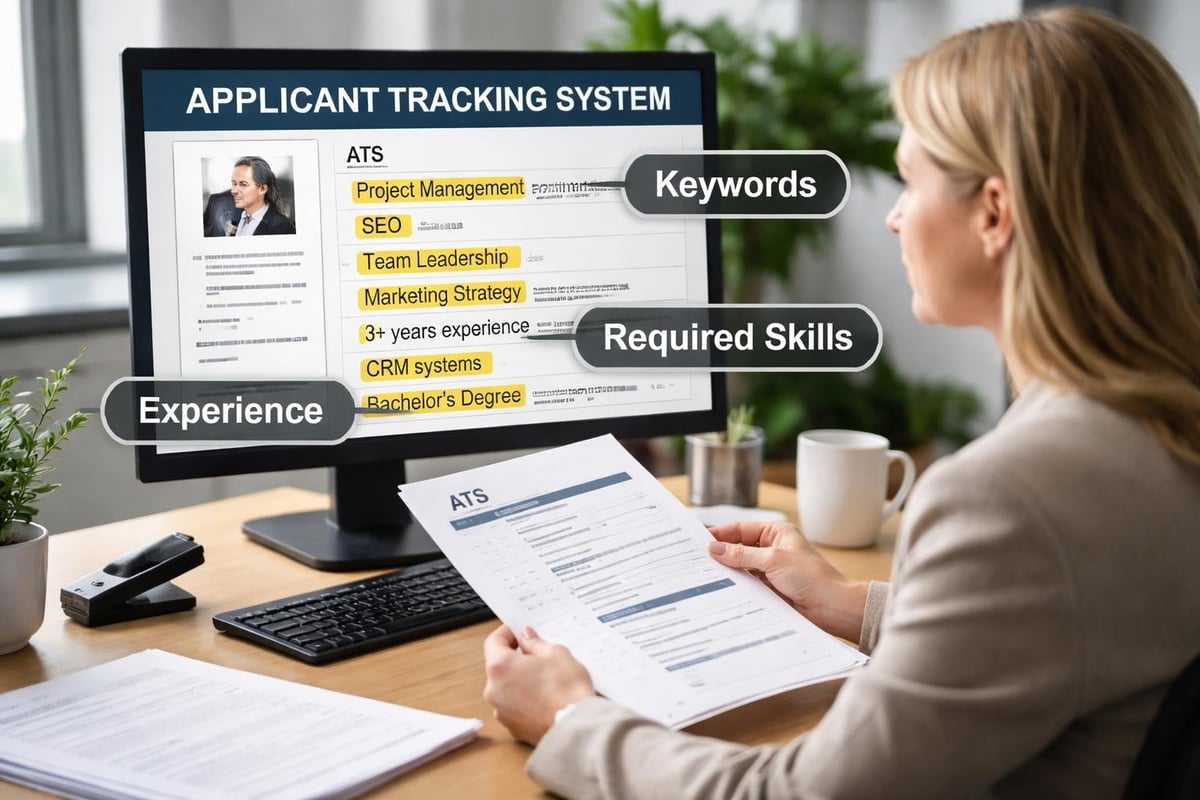
Understanding Job Descriptions Before You Tailor My CV
Effective customisation begins with thorough job description analysis. Many candidates skim postings, missing crucial details that reveal what employers genuinely value.
Identifying Essential vs Desirable Criteria
Read the entire specification at least three times. Create a spreadsheet listing every requirement, then categorise each as essential, desirable, or preferential. This framework helps prioritise which elements deserve prominence in your tailored CV.
Essential criteria typically include specific qualifications, certifications, years of experience, or technical competencies. Desirable elements might cover soft skills, additional qualifications, or sector knowledge. Understanding how to interpret these requirements helps you position your experience strategically.
| Requirement Type | CV Placement | Emphasis Level |
|---|---|---|
| Essential qualification | Professional summary + Education | High |
| Essential experience | Career history (top roles) | High |
| Desirable skill | Key skills section | Medium |
| Preferred background | Supporting achievements | Low-Medium |
Decoding Employer Language
Companies reveal priorities through word choice and structure. Notice which requirements appear first, which are repeated, and which use emphatic language like “must have” or “critical.”
If a specification mentions “stakeholder management” five times but “project delivery” twice, your CV should reflect that weighting. Mirror their terminology precisely rather than using synonyms. When employers write “change management,” don’t substitute “transformational leadership” even if they mean the same thing.
Strategic Sections to Tailor My CV Effectively
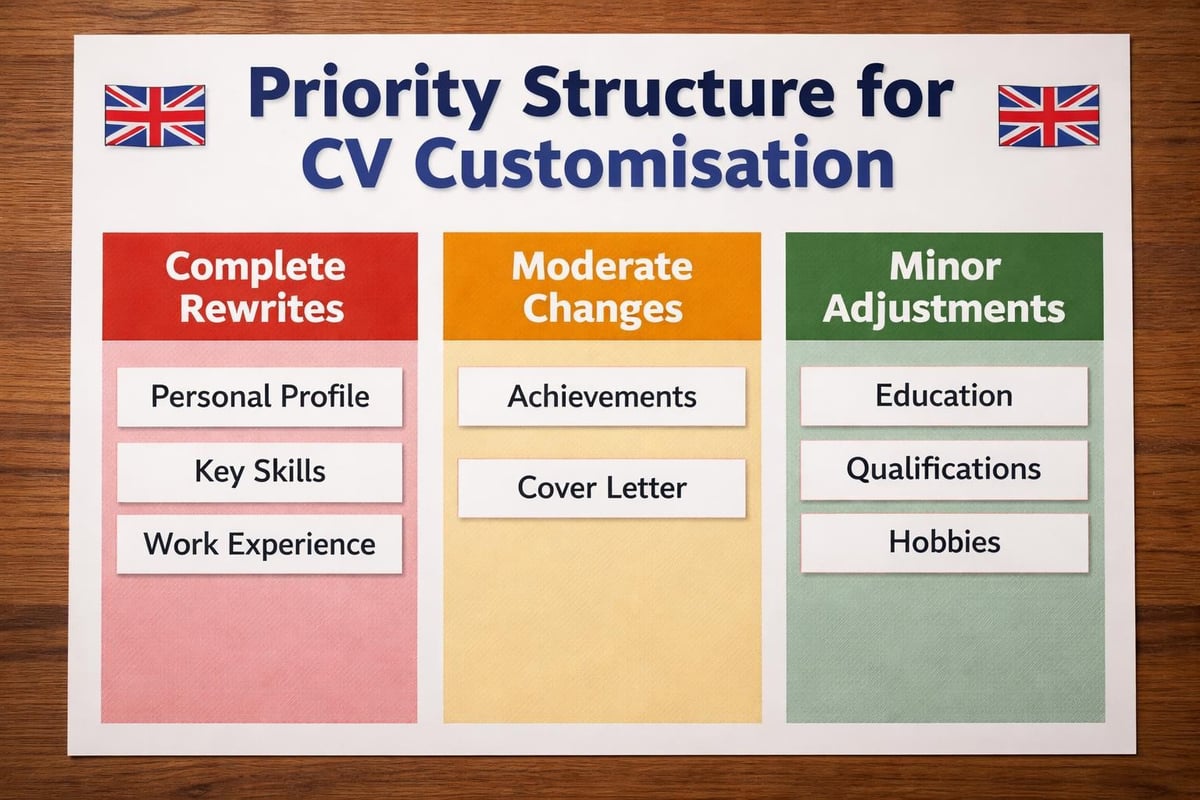
Different CV sections require varying levels of customisation. Some demand complete rewrites for each application, whilst others need subtle adjustments.
Personal Statement Customisation
Your opening paragraph should reference the specific role, company, and key requirements. Generic statements like “experienced professional seeking challenging opportunities” waste valuable space.
Effective personal statements include:
- The exact job title you’re applying for
- 2-3 core requirements from the specification
- Relevant quantified achievements
- Industry-specific terminology
- Clear value proposition aligned to employer needs
For example, if you’re applying for a Financial Controller position requiring CIMA qualification and multi-site experience, your statement might read: “CIMA-qualified Financial Controller with eight years’ experience managing financial operations across 12 UK sites, delivering £2.3M cost savings through process optimisation and strategic vendor negotiation.”
Key Skills Alignment
Many candidates list the same skills regardless of role. Instead, extract 8-12 skills directly from the job description and present them prominently.
If the role emphasises “budget forecasting, variance analysis, and board-level reporting,” these exact phrases should appear in your skills section. Support each with a brief context or achievement where space permits. As highlighted in guidance on customising your CV for specific vacancies, this mirroring technique significantly improves both ATS performance and human reviewer engagement.
Experience Section Refinement
You don’t need to rewrite your entire career history for each application. Focus on the most recent 10-15 years, adjusting bullet points to emphasise relevant accomplishments.
- Review each role’s bullet points against job requirements
- Promote relevant achievements to the top of each role
- Add quantified results that match employer priorities
- Reduce or remove bullets covering irrelevant responsibilities
- Incorporate role-specific keywords naturally throughout descriptions
For a compliance-focused role, emphasise regulatory achievements. For a growth-oriented position, highlight revenue generation and market expansion. The underlying experience remains truthful, but the emphasis shifts strategically.
Optimising for Applicant Tracking Systems
Between 75% and 90% of large employers use ATS technology to filter applications. Understanding how to tailor my CV for these systems dramatically improves your chances of human review.
Keyword Integration Without Stuffing
ATS systems scan for specific terms but penalise obvious keyword stuffing. The solution involves natural integration throughout your CV rather than creating “keyword dump” sections.
Extract 15-20 critical keywords from the job description, including:
- Technical skills and software platforms
- Qualifications and certifications
- Industry-specific terminology
- Methodologies and frameworks
- Measurable competencies
Integrate these organically into your personal statement, skills section, and role descriptions. If the posting mentions “Salesforce CRM” three times, ensure it appears in your CV at least twice in natural context.
Formatting for ATS Compatibility
Complex formatting confuses parsing software. When you tailor my CV for ATS systems, simplicity ensures accurate data extraction.
ATS-friendly formatting includes:
- Standard section headings (Experience, Education, Skills)
- Simple bullet points (avoid unusual symbols)
- Standard fonts (Arial, Calibri, Georgia)
- No tables, text boxes, or graphics containing key information
- Reverse chronological structure
- Clear date formatting (Month Year or MM/YYYY)
Many professional CV writers specialise in creating documents that satisfy both ATS requirements and human readability, balancing technical optimisation with compelling presentation.
Tailoring for Different Career Stages
The approach to customisation varies depending on your career level and objectives. Graduate applications require a different emphasis compared to executive positions.
Early Career Customisation
With limited work history, graduates and early-career professionals should emphasise education, projects, and transferable skills. Tailor my CV at this stage by connecting academic achievements and placement experiences directly to role requirements.
Highlight dissertation topics, project work, and coursework relevant to the target position. If applying for a marketing role, emphasise your third-year digital marketing module and associated campaign project, even if your degree was in business management.
Mid-Career Flexibility
Professionals with 5-15 years’ experience enjoy the greatest customisation flexibility. You likely have diverse achievements spanning multiple competencies, allowing strategic selection based on each role.
Create a master CV documenting every achievement, project, and responsibility. For each application, select the 60-70% most relevant content, ensuring your two-page CV focuses entirely on what matters for that specific opportunity.
| Career Stage | Customisation Focus | Primary Emphasis |
|---|---|---|
| Graduate | Education, projects, potential | Transferable skills, academic excellence |
| Early Career (1-5 years) | Growing responsibility, quick learning | Career trajectory, achievements |
| Mid Career (5-15 years) | Strategic achievements, expertise | Results, leadership, specialisation |
| Senior/Executive (15+ years) | Strategic impact, leadership | Transformation, vision, board-level results |
Senior-Level Strategic Positioning
Executive CVs require sophisticated tailoring, focusing on strategic impact rather than operational detail. When senior professionals tailor my CV approaches, they should emphasise board-level achievements, organisational transformation, and sector influence.
Replace task-based descriptions with strategic outcomes. Instead of “managed finance team of 12,” write “restructured finance function, reducing costs by 18% whilst improving reporting accuracy and reducing month-end close from 12 to 5 days.”
Sector-Specific Tailoring Strategies
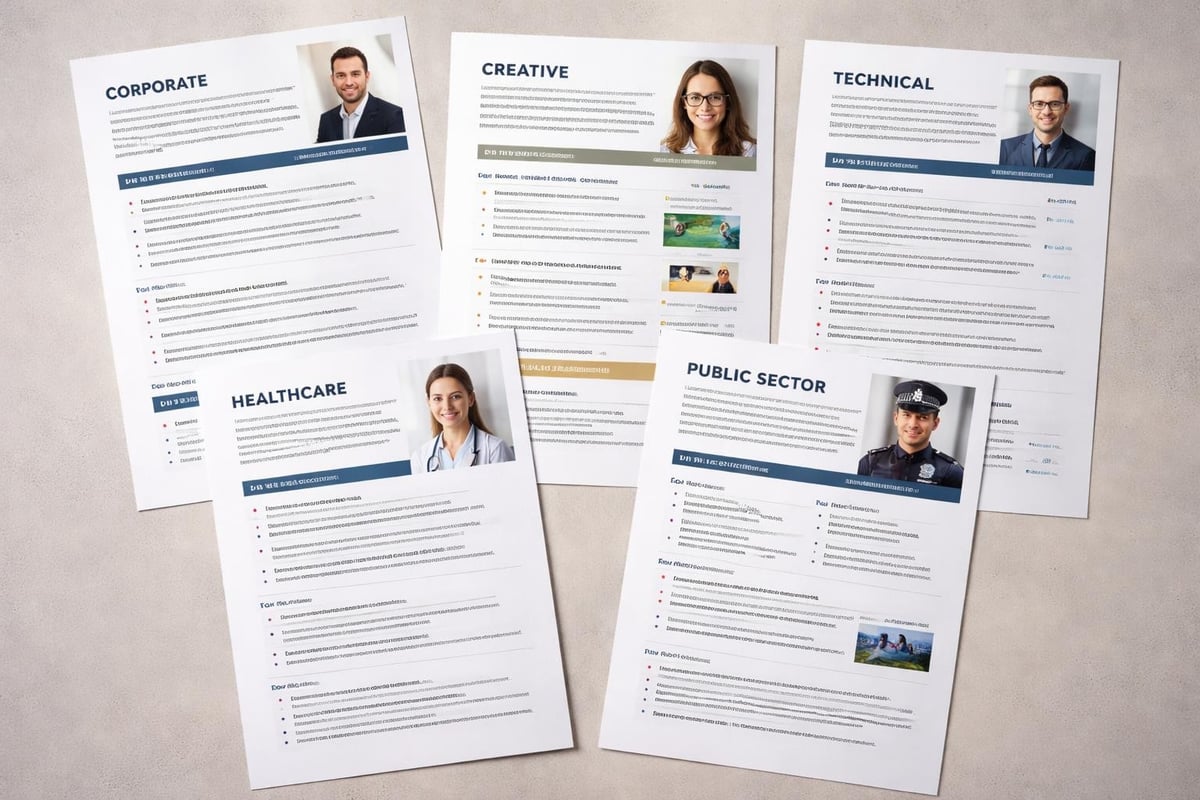
Different industries value distinct competencies and presentation styles. Understanding sector expectations helps you tailor my CV more effectively.
Corporate and Financial Services
These sectors demand precision, quantification, and compliance awareness. Emphasise regulatory knowledge, risk management, and financial performance metrics.
Reference specific regulations (FCA, GDPR, SOX), professional qualifications (ACA, ACCA, CFA), and systems experience (SAP, Oracle, Workday). Tailoring your CV for specialised sectors requires understanding industry-specific priorities and language.
Creative and Marketing Roles
Creative CVs should demonstrate innovation whilst maintaining professional standards. Tailor my CV for these positions by showcasing campaign results, brand development, and audience engagement metrics.
Quantify creative impact: “Developed brand repositioning strategy, increasing consideration scores by 34% amongst 25-34 demographic” rather than “responsible for brand management.”
Technical and IT Positions
Technology roles demand specific technical competencies, platforms, and methodologies. Create a comprehensive technical skills section organised by category (Programming Languages, Frameworks, Databases, Cloud Platforms).
Tailor this section for each role, promoting relevant technologies to prominent positions. If a role emphasises Python and AWS, ensure these appear before less relevant skills like PHP or Azure.
Advanced Tailoring Techniques
Beyond basic keyword matching, sophisticated customisation techniques significantly enhance application quality.
Achievement Reframing
The same accomplishment can be presented differently depending on what employers value. A process improvement project might emphasise cost reduction for one role, efficiency gains for another, or customer satisfaction improvement for a third.
Example achievement tailored in three ways:
- Cost-focused role: “Streamlined invoice processing, reducing operational costs by £145K annually”
- Efficiency-focused role: “Re-engineered accounts payable workflow, reducing processing time by 62%”
- Customer-focused role: “Improved vendor payment accuracy to 99.8%, enhancing supplier relationships and negotiating leverage”
Each version describes the same project truthfully but emphasises different outcomes based on role priorities.
Quantification Standards
Numbers provide concrete evidence of capability. When you tailor my CV with quantified achievements, convert percentages, values, and scales to match industry norms.
Some sectors prefer percentages, others prefer absolute values. Technology companies might appreciate “improved system uptime from 97% to 99.7%,” whilst manufacturing roles might prefer “reduced unplanned downtime from 18 hours to 4 hours monthly.”
Company Research Integration
Sophisticated tailoring incorporates company-specific intelligence. Research recent news, financial reports, strategic announcements, and cultural values.
If a company recently announced expansion into European markets and you have international experience, emphasise this prominently. When organisations highlight innovation and agility, they demonstrate these qualities through specific examples rather than simply listing them as skills.
Common Tailoring Mistakes to Avoid
Even experienced professionals make errors when customising applications. Understanding these pitfalls helps you tailor my CV more effectively.
Over-Tailoring and Misrepresentation
Tailoring means emphasising relevant experience, not fabricating qualifications you don’t possess. Never claim skills, qualifications, or experience you lack, regardless of how perfectly they match requirements.
If a role requires Chartered status and you’re part-qualified, state your actual position clearly. Misrepresentation damages professional reputation and typically results in offer withdrawal or dismissal.
Inconsistent LinkedIn Profiles
Employers check LinkedIn profiles to verify CV information. Significant inconsistencies raise concerns about accuracy and honesty. When you tailor my CV for applications, ensure your LinkedIn profile supports rather than contradicts your CV narrative.
Your core career history, dates, and qualifications should remain consistent across platforms. It’s acceptable for emphasis and detail to vary, but fundamental facts must align.
Neglecting Cover Letter Alignment
CVs and cover letters should work as complementary documents. Your cover letter provides context and narrative, whilst your CV delivers evidence and detail.
Reference specific CV achievements in your cover letter, creating cohesive application materials that reinforce key messages. If your CV highlights a major transformation project, your cover letter might explain the strategic context and personal leadership approach.
Forgetting to Update Contact Details
This obvious error occurs surprisingly often when managing multiple CV versions. Verify that contact information, professional titles, and any role-specific details accurately reflect your current situation before each submission.
Tools and Systems for Efficient CV Tailoring
Managing multiple tailored versions requires organisation and systems. Efficient processes allow you to tailor my CV quickly without sacrificing quality.
Master CV Development
Create a comprehensive master document containing every achievement, responsibility, skill, and qualification from your career. This typically runs 4-6 pages and serves as your source material.
Organise content by competency area (Leadership, Financial Management, Change Delivery) rather than chronologically. This structure makes it easier to extract relevant content for specific applications.
Version Control Management
Maintain clear naming conventions for CV versions: “YourName_CV_CompanyName_JobTitle_Date.” This prevents accidentally submitting the wrong version and helps track which customisations worked for successful applications.
Store all versions in a dedicated folder with subfolders for different career stages, industries, or role types. Regular backups prevent losing carefully tailored documents.
Tracking Application Customisations
Maintain a simple spreadsheet recording which CV version you submitted for each application, along with:
- Company and role details
- Key customisation points
- Application date
- Response received (interview request, rejection, no response)
- Outcome
This data reveals which tailoring approaches generate the strongest results, allowing continuous refinement of your strategy. Over time, patterns emerge showing which achievements, keywords, and structures resonate most effectively with employers in your target sector.
Frequently Asked Questions
How long should it take to tailor my CV for each application?
Initial tailoring for a new role typically requires 45-90 minutes for thorough customisation. This includes job description analysis, keyword extraction, achievement selection, and refinement. With practice and established systems, this reduces to 30-45 minutes for similar roles. Rushing the process undermines quality, whilst excessive time suggests inefficient methods. If you’re spending more than two hours per application, consider developing a more structured approach or seeking professional CV writing support.
Should I tailor my CV if applying to multiple roles at the same company?
Absolutely. Different positions within the same organisation have distinct requirements, reporting lines, and priorities. Create tailored versions for each role, emphasising relevant competencies for that specific position. Some companies use separate ATS processes for different departments, meaning your application won’t automatically transfer between vacancies. Tailoring demonstrates genuine interest in the specific role rather than desperation for any position.
How much should I change when I tailor my CV for similar roles?
For closely related positions, focus on adjusting your personal statement, key skills emphasis, and the ordering of achievements within each role. You might modify 20-30% of content, primarily repositioning existing material rather than creating entirely new descriptions. The core career history remains consistent, but bullet point selection and prominence shift based on each role’s specific requirements. As explained by experts in CV customisation, even subtle adjustments significantly improve relevance and impact.
Can I use the same tailored CV for jobs with identical titles?
Not necessarily. Job titles often mask significant differences in responsibilities, seniority, and sector focus. A “Marketing Manager” role at a technology startup differs vastly from the same title at a pharmaceutical corporation. Always analyse the full job specification rather than relying on title alone. Requirements, company culture, growth stage, and strategic priorities all influence how you should tailor my CV approach for maximum impact.
Is it worth tailoring my CV if I’m only slightly interested in a role?
Only apply to positions you genuinely want. Submitting untailored CVs wastes your time and damages your professional reputation. Recruiters and hiring managers remember candidates who submit generic, poorly matched applications. If you’re uncertain about a role, research thoroughly before applying. When you do apply, invest the time to tailor my CV properly, or don’t submit at all. Quality applications to carefully selected roles generate far better results than high-volume generic submissions.
Measuring Tailoring Effectiveness
Understanding whether your customisation efforts succeed requires tracking key metrics beyond simple application numbers.
Interview Conversion Rates
Calculate the percentage of tailored applications generating interview invitations. Strong tailoring typically produces conversion rates of 15-25% in competitive markets, compared to 2-5% for generic CVs.
If you’re submitting 20 applications monthly with only one interview, your tailoring strategy needs refinement. Analyse successful applications to identify common factors, then replicate these approaches.
Time to Interview
Track days between application submission and interview invitation. Well-tailored CVs often generate faster responses because they immediately demonstrate relevance, whilst generic applications languish in review queues.
If you’re receiving interviews but only after several weeks, your CV might be passing ATS filters but lacking immediate impact for human reviewers. Strengthen your opening statement and key achievements positioning.
Feedback Quality
When applications proceed to interview stage, the questions and discussion topics reveal how well your CV communicated your value. Interviewers should reference specific achievements from your CV and ask about areas you emphasised.
If interviewers seem confused about your background or ask why you applied, your tailoring may have created disconnects between your actual experience and how you’ve positioned it.
Professional Support for CV Tailoring
Many professionals find that investment in expert guidance accelerates their job search significantly. Professional support proves particularly valuable during career transitions, senior-level searches, or when targeting highly competitive sectors.
Experienced CV writers understand how to tailor their CV approaches across different industries, career levels, and application contexts. They bring objectivity that’s difficult to maintain when reviewing your own career history, often identifying valuable achievements you’ve overlooked or undervalued.
Working with professionals also ensures your CV satisfies both ATS requirements and human reviewer expectations, balancing keyword optimisation with compelling narrative and clear value proposition. For specialised guidance, you can contact John Logan directly at John@johnlogan.co.uk for expert consultation.
The process typically involves detailed consultation about your career goals, target roles, and achievements, followed by collaborative development of master and tailored CV versions. Professional writers also explain the strategic decisions behind each customisation, building your capability to maintain and adapt your CV effectively as your career progresses.
Send me your CV for a free review to John@johnlogan.co.uk. I’ll look through it myself and give you honest, constructive feedback as a professional CV writer.
Tailoring your CV for each application transforms job searching from frustrating rejection cycles into purposeful career progression with measurable results. The investment of time and effort in strategic customisation pays dividends through increased interview rates, stronger employer engagement, and ultimately, securing roles that genuinely advance your career. If you’re ready to develop CVs that consistently open doors to better opportunities, John Logan Consulting and Mentoring provides the expertise, personal consultation, and bespoke writing that deliver professional documents positioning you confidently for your next role.
text][et_pb_button button_url=”https://johnloganbmc.co.uk/cv-packages/” button_text=”Pricing and Packages” _builder_version=”4.27.4″ _module_preset=”default” global_colors_info=”{}” theme_builder_area=”post_content”]button][et_pb_button button_url=”https://johnloganbmc.co.uk/john-logan-cv-reviews/” button_text=”Reviews” _builder_version=”4.27.4″ _module_preset=”default” global_colors_info=”{}” theme_builder_area=”post_content”]button][et_pb_button button_url=”https://johnloganbmc.co.uk/contact-john-logan-cv-writer/” button_text=”Contact” _builder_version=”4.27.4″ _module_preset=”default” global_colors_info=”{}” theme_builder_area=”post_content”]button]column]row]section]