
[et_pb_section fb_built=”1″ _builder_version=”4.16″ global_colors_info=”{}”][et_pb_row _builder_version=”4.16″ background_size=”initial” background_position=”top_left” background_repeat=”repeat” global_colors_info=”{}”][et_pb_column type=”4_4″ _builder_version=”4.16″ custom_padding=”|||” global_colors_info=”{}” custom_padding__hover=”|||”][et_pb_text _builder_version=”4.27.5″ background_size=”initial” background_position=”top_left” background_repeat=”repeat” global_colors_info=”{}”]

text][et_pb_button button_url=”https://johnloganbmc.co.uk/contact-john-logan-cv-writer/” button_text=”Contact” _builder_version=”4.27.4″ _module_preset=”default” global_colors_info=”{}”]button][et_pb_text _builder_version=”4.27.5″ background_size=”initial” background_position=”top_left” background_repeat=”repeat” hover_enabled=”0″ global_colors_info=”{}” sticky_enabled=”0″]
In 2026, your CV is more than just a document. It is your passport to opportunity in an ever-evolving job market. With competition fiercer than ever and digital transformation reshaping recruitment, standing out from the crowd is now essential.
Creating the ideal CV is the key to unlocking interviews and accelerating your career growth. Employers are looking for candidates who can present their skills, achievements, and potential in a way that is both concise and compelling.
This guide will walk you through, step by step, crafting the ideal CV for 2026. You will discover the latest trends, learn how to structure your CV, optimise for applicant tracking systems, and avoid the most common mistakes.
Ready to transform your CV into a powerful tool for success? Let’s explore what makes the ideal CV in 2026 and how you can stand out in today’s competitive landscape.
Understanding the 2026 CV Landscape
The UK job market in 2026 is more competitive than ever. Digital transformation and shifting employer expectations have redefined what makes the ideal CV. To succeed, candidates must understand the latest trends and adapt quickly.

The Evolution of CVs in Recent Years
Over the past decade, CVs have moved from static paper documents to dynamic, digital-first profiles. The rise of AI and Applicant Tracking Systems (ATS) means the ideal CV must be both machine-readable and visually appealing.
Personal branding is now essential, as recruiters have less than 7 seconds to scan each CV. UK companies increasingly favour video and interactive CVs, with some top employers trialling these formats to assess creativity and communication skills.
Key Trends Shaping CVs in 2026
In 2026, the ideal CV highlights adaptability and soft skills alongside technical expertise. Candidates are expected to integrate digital portfolios and LinkedIn profiles, making online presence a core part of their application. Achievements must be data-driven and move away from generic job duties.
Experience with remote or hybrid roles is now standard. Visual elements like infographics and icons help convey information efficiently. For a deeper look at these shifts, see the latest Recruitment trends for 2026.
What UK Employers and Recruiters Want Now
UK recruiters demand concise, two-page CVs that get to the point. They look for quantifiable achievements, such as “increased revenue by 25%,” rather than vague responsibilities. Industry-specific keywords are vital and tailored to each job application.
Recent surveys show employers want:
- Customisation for every role
- A clear personal statement
- Evidence of upskilling or ongoing learning
- Use of language relevant to the sector
Meeting these expectations is key to creating the ideal CV.
The Impact of ATS and AI Screening
With over 98% of FTSE 100 companies using ATS, passing the initial digital filter is crucial. The ideal CV must be keyword-optimised, using phrases directly from job descriptions. Common pitfalls include using images, non-standard fonts, or unusual formats, which can block parsing.
To ensure your CV is ATS-friendly in 2026:
- Stick to standard section headings
- Avoid tables and graphics that may confuse parsing
- Use simple, clean formatting throughout
Why a Bespoke CV Still Matters
Despite automation, a personalised approach stands out. Tailored CVs have a much higher success rate than generic submissions, as shown in recent UK case studies. Storytelling and a unique value proposition help the ideal CV capture attention and secure interviews.
A bespoke CV demonstrates genuine interest and effort, opening doors to more opportunities in a crowded job market.
Step-by-Step: Crafting Your Ideal CV
Creating the ideal CV in 2026 requires a strategic approach. Each step below is designed to help you stand out in a competitive market and ensure your CV is both modern and effective. Follow these practical guidelines to build a document that opens doors to interviews and career growth.
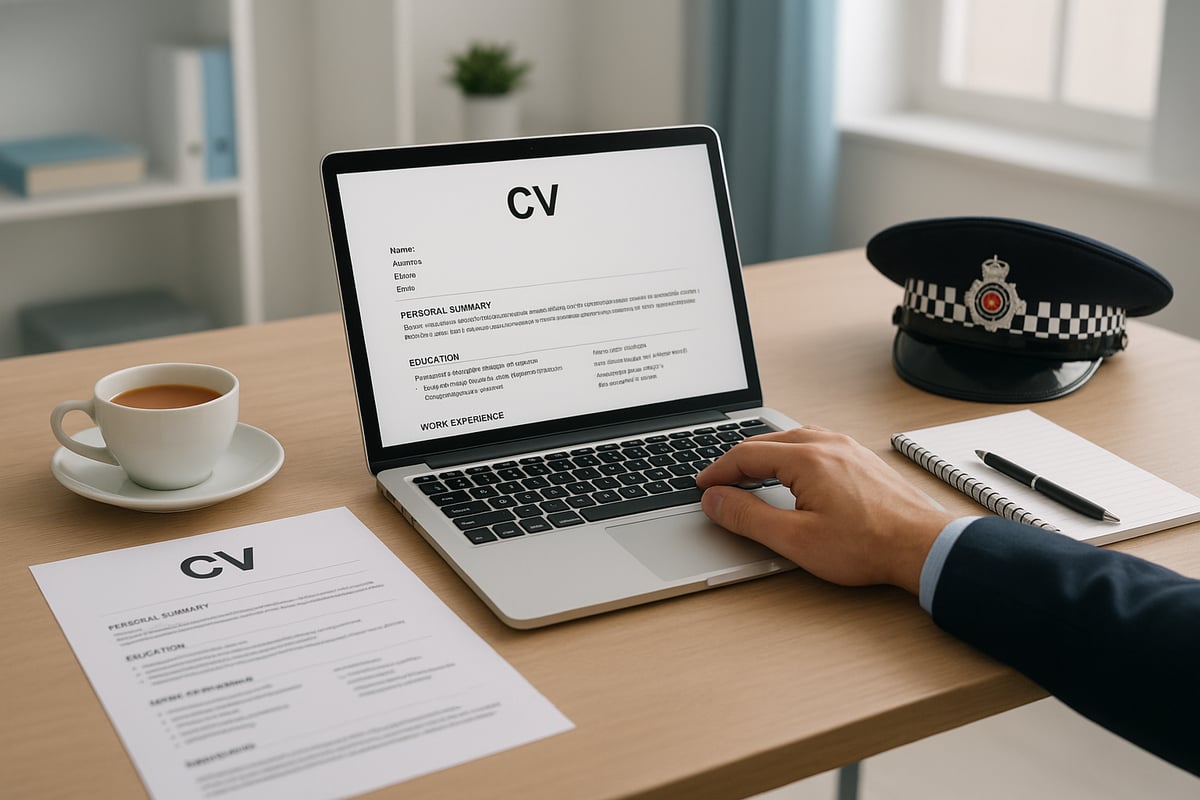
Step 1: Research and Preparation
Start your journey to the ideal CV by thoroughly researching your target roles. Analyse job descriptions, noting essential keywords and skills. Investigate the company’s culture and values; aligning your CV with them can set you apart. Collect quantifiable achievements and feedback from previous roles. Review competitor CVs within your sector to identify industry trends. This groundwork ensures your CV is tailored, relevant, and ready for 2026.
Step 2: Structuring Your CV for 2026
A clear, logical structure is vital for the ideal CV. Begin with your contact details, followed by a personal statement, then skills, professional experience, education, and any additional sections. Prioritise information based on relevance to your target role. For ex-military or ex-police candidates, highlight transferable skills and civilian-ready experience. Career changers should foreground adaptable strengths. Use a format that aligns with your industry to ensure clarity and impact.
Step 3: Writing a Compelling Personal Statement
Craft a succinct personal statement of three to four lines, placing it at the top of the ideal CV. Align this summary with the role you are targeting, focusing on your unique strengths, career goals, and what you offer employers. Tailor each statement to the job, avoiding generic phrases. For specific advice on this section, see How to Write a CV Personal Statement. A strong opening can capture attention quickly.
Step 4: Showcasing Skills and Achievements
Highlight both soft and technical skills that are in demand for 2026. Use action verbs and quantify achievements, such as “reduced costs by 15%” or “led a team of 10.” Group skills by their relevance to each job application. To ensure your skills section is future-proof, consult the Best Skills for a CV 2025 and 2026 guide for the latest trends sought by UK employers.
Step 5: Detailing Professional Experience
Choose a reverse-chronological format unless a functional structure suits your background, such as for career transitions. Emphasise promotions, leadership roles, and measurable project outcomes. If you are transitioning from police or military service in England, showcase relevant civilian skills and training. Address any career gaps honestly. This approach demonstrates your adaptability and ensures the ideal CV reflects your full professional story.
Step 6: Education, Training, and Certifications
List your most recent and relevant qualifications first. Include ongoing professional development, such as online courses or industry workshops. Recognise non-traditional learning, as employers increasingly value diverse educational experiences. Highlight certifications that are directly related to your target position. This section should demonstrate your commitment to continuous improvement and readiness for the evolving demands of the UK job market.
Step 7: Additional Sections for 2026
Consider adding sections such as languages, volunteering, digital portfolios, or your LinkedIn profile to an ideal CV. Showcase remote or hybrid work experience, as this is increasingly valued. Only mention references if requested, or use “References available upon request.” These additions can provide a more rounded picture of your professional capabilities and help your CV stand out in a crowded field.
Optimising Your CV for ATS and Digital Recruitment
Navigating the digital recruitment landscape in 2026 means understanding how to make the ideal CV stand out against both human and artificial intelligence filters. With nearly every large UK employer relying on sophisticated Applicant Tracking Systems (ATS), ensuring your CV is not only visually appealing but also machine-readable is essential for success.
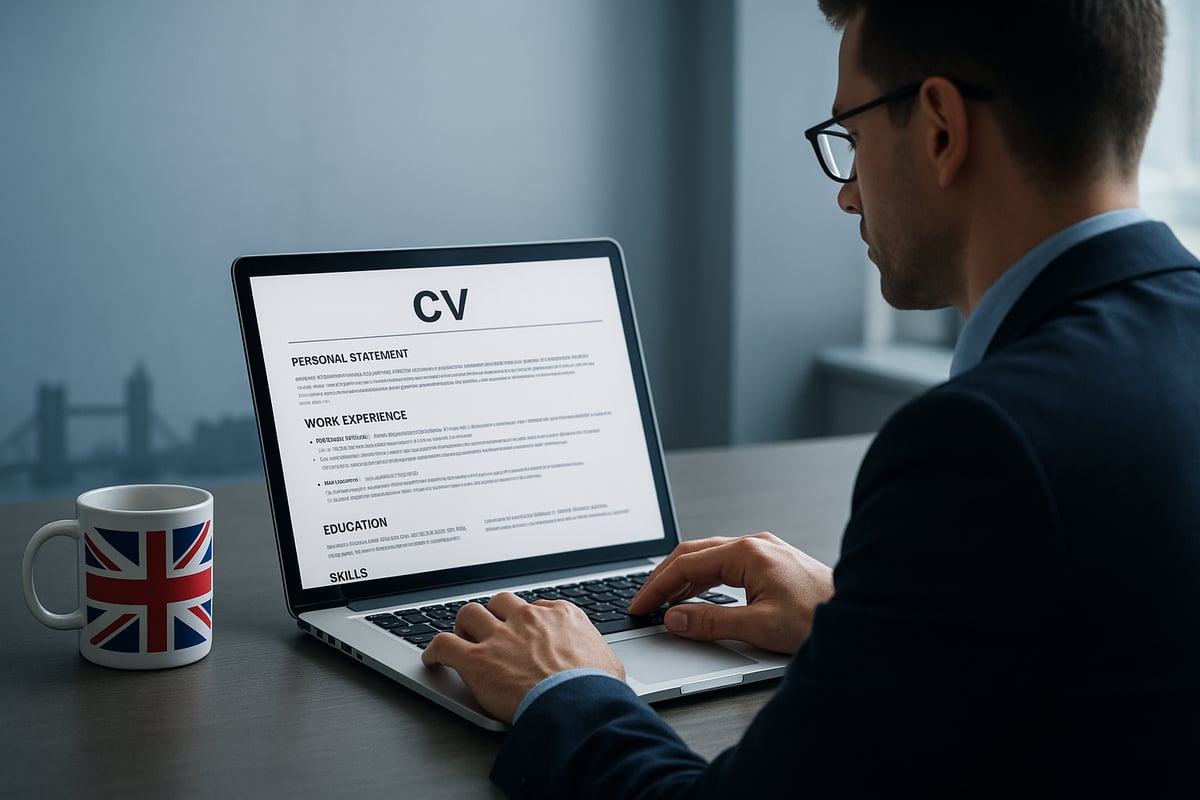
Understanding ATS Algorithms in 2026
Applicant Tracking Systems in 2026 use advanced algorithms to scan, parse, and rank every CV submitted for a role. These systems filter out applications that do not match specific criteria, such as relevant keywords, standard section headings, and work experience. The ideal CV must be structured so that ATS software can easily extract your information.
Common reasons for rejection include missing keywords, non-standard formatting, and unrecognised file types. To boost your chances, always use standard document formats like .docx or PDF, and ensure every section is clearly labelled. If you want to learn more about what makes a CV successful in this environment, check out What Makes a Successful CV.
Formatting for ATS Success
Formatting plays a critical role in ensuring the ideal CV is both readable by machines and appealing to recruiters. Use ATS-friendly fonts such as Arial, Calibri, or Helvetica, and keep font sizes between 10 and 12 points for body text. Avoid using images, tables, text boxes, or graphics, as these can disrupt ATS parsing.
Stick to standard headings like “Professional Experience” and “Education”. Place all vital information in the main body of your CV, not in headers or footers. Keep your layout clean, use bullet points for achievements, and maintain consistent spacing throughout. This approach helps your CV pass the initial digital screening and remain attractive to human readers.
Keyword Optimisation Techniques
To ensure the ideal CV makes it through ATS filters, begin by analysing job adverts for essential keywords related to skills, qualifications, and responsibilities. Integrate these keywords naturally into your CV, especially within your personal statement, skills, and experience sections.
Balance keyword density so your CV reads smoothly for both recruiters and machines. For example, instead of listing only generic skills, specify achievements such as “managed CRM system implementation” or “increased sales by 25%”. This technique not only improves ATS ranking but also demonstrates your measurable impact.
Common ATS Mistakes and How to Avoid Them
Many candidates see their applications rejected due to avoidable errors. Overly complex formatting, embedding crucial details in images or graphics, and using unusual fonts are frequent pitfalls. Another common mistake is using the same CV for every job application, resulting in poor keyword alignment.
To avoid these issues:
- Tailor the ideal cv for each role, updating keywords as needed.
- Double-check for typos and formatting inconsistencies.
- Save your CV in a standard format and test it with free ATS checkers when possible.
By following these steps, you increase your chances of progressing to the next stage of recruitment.
Leveraging LinkedIn and Digital Profiles
In 2026, your digital presence is as important as your CV. Align your LinkedIn profile with the ideal CV, ensuring that job titles, dates, and achievements match precisely. Include a link to your digital portfolio or professional website in your CV for extra credibility.
Make use of LinkedIn’s “Open to Work” feature and job alerts to stay visible to recruiters. Keeping your online profiles current and consistent with your CV can significantly boost your chances of being noticed by both ATS systems and hiring managers.
Design, Formatting, and Visual Appeal for 2026
Creating the ideal CV in 2026 is about more than just listing your experience. Your CV needs to be visually engaging, easy to read, and tailored for digital screening. A well-designed CV demonstrates professionalism and increases your chances of making a strong first impression.
Modern CV Design Principles
In 2026, the ideal CV stands out with a clean, professional layout that guides the recruiter’s eye. White space should be used generously, giving each section room to breathe. Section dividers help separate key areas and make information easy to scan.
A professional appearance does not mean dull. Use subtle design elements, such as lines or shaded boxes, to highlight your skills and achievements. Prioritise readability over flashy graphics. Remember, recruiters often spend less than 7 seconds on each CV, so clarity is crucial.
Choosing the Right CV Format
Selecting the right format is essential for the ideal CV. The three main formats are chronological, functional, and hybrid. Most UK employers prefer a chronological format, especially for traditional roles. A hybrid format works well for career changers or those with varied experience.
| Format | Best For | Key Features |
|---|---|---|
| Chronological | Continuous experience | Lists roles by date |
| Functional | Skills-based roles | Focus on skills |
| Hybrid | Career changers | Mix of skills and roles |
According to Top UK recruiters’ CV preferences for 2026, aligning your format with industry expectations is vital for success.
Incorporating Visual Elements Wisely
Visual elements can make the ideal CV memorable, but they must be used carefully. Infographics, charts, and icons are effective for highlighting achievements, provided they do not disrupt the flow or confuse the ATS.
Keep visuals simple and use them to reinforce, not replace, text. For example, a small bar chart can show sales growth, while icons can indicate language proficiency. Ensure every visual element is ATS-friendly and does not block key information.
Colour, Fonts, and Length Best Practices
To ensure the ideal CV is both modern and professional, stick to muted colour palettes such as navy, grey, or dark green. Use standard fonts like Arial, Calibri, or Helvetica for maximum readability.
Keep your CV to two pages, even for senior roles. This length respects recruiters’ time and keeps your content focused. Use consistent formatting for headings, bullet points, and spacing throughout.
Including Photos: Yes or No?
For most UK roles, including a photo on your CV is discouraged. The ideal CV avoids photos to reduce the risk of unconscious bias and ensure ATS compatibility. Exceptions exist in creative industries or when a portfolio is required, but always check the employer’s expectations.
If you are unsure, leave the photo out and focus on presenting your achievements and skills. This approach ensures your CV is judged on merit, not appearance.
Common CV Mistakes to Avoid in 2026
Creating the ideal CV for 2026 means steering clear of errors that can instantly undermine your chances. Even a single oversight may cost you an interview, particularly in a market where recruiters review hundreds of CVs daily.
Frequent Mistakes That Sabotage the Ideal CV:
- Overusing buzzwords like “hardworking” or “team player” without evidence.
- Typos, grammar mistakes, or inconsistent formatting.
- Including outdated jobs or irrelevant details.
- Listing responsibilities rather than measurable achievements.
- Failing to tailor your CV for each application.
- Using an unprofessional email address.
- Leaving unexplained employment gaps.
Let’s address some of the most common questions to keep your CV on track:
Q1: Why are buzzwords a problem in the ideal CV?
Recruiters are inundated with CVs filled with empty phrases. Instead, focus on specific, data-driven achievements that set you apart.
Q2: How do typos and formatting issues affect my chances?
Errors suggest a lack of attention to detail. The ideal CV must be meticulously checked for accuracy, as even small mistakes can lead to instant rejection.
Q3: Should I include every job I have ever held?
No. Only list roles relevant to the position you are targeting in 2026. Including irrelevant history can dilute the impact of the ideal CV.
Q4: What if I only list duties instead of achievements?
You risk blending in with everyone else. Use action verbs and measurable results to show your value, such as “increased customer satisfaction by 20%”.
Q5: Does a generic CV work for multiple roles?
Not in 2026. Each application should be tailored with keywords and content that match the job description. According to Avoid These Common CV Mistakes, customisation is essential for the ideal cv.
Q6: How should I handle gaps in employment?
Always address gaps honestly. If you are unsure how to explain them, consider reaching out to John Logan at John@johnloganbmc.co.uk for expert guidance.
By avoiding these pitfalls and focusing on clarity, relevance, and customisation, you will be much closer to the ideal CV that wins interviews in 2026.
Expert Insights: CV Writing Services and When to Seek Help
Seeking professional support can be a game-changer when aiming for the ideal CV, especially if you are not seeing results or facing unique career challenges. If you have applied to multiple roles without interviews, received negative feedback, or are navigating a major career transition, such as moving from the military or police, it may be time to get expert assistance. Senior executives and board-level candidates also benefit from tailored, high-impact CVs. With the persistent rise in UK employment gaps, expert guidance ensures your history is addressed with confidence.
What to Expect from a Professional CV Writer
When you engage a professional CV writer, expect a bespoke, consultative service rather than generic templates or AI-generated text. The process often begins with an in-depth interview to uncover your strengths, achievements, and career goals. You receive a personalised draft, carefully tailored to your target roles and optimised for ATS systems.
A professional writer ensures your CV highlights quantifiable results, uses industry-specific language, and is formatted for both human recruiters and digital screening. This approach is vital for standing out in the competitive 2026 UK job market.
John Logan – Professional CV Writer, Cover Letters and LinkedIn UK
John Logan is widely recognised as one of the UK’s most trusted CV writers, bringing decades of recruitment and coaching experience. His services include bespoke CVs, cover letters, and LinkedIn profiles, all crafted through a consultative and personal approach. Every document is optimised for ATS and proven to increase interview rates by up to 500%.
If you want the ideal CV, you can access a free CV review by contacting John Logan at John@johnloganbmc.co.uk. Specialist support is available for ex-military, ex-police, graduates, managers, and executives. With over 100 five-star reviews and transparent pricing, reach out via contact form or LinkedIn for expert advice, or email John@johnloganbmc.co.uk directly.
Frequently Asked Questions About the Ideal CV in 2026
In 2026, job seekers in the UK face a highly competitive market. Recent reports reveal that UK job postings are 20% below pre-pandemic levels, making it harder than ever to stand out. Below, we answer the most common questions about the ideal CV to help you succeed.
What is the best CV length for 2026?
The ideal cv for 2026 should be two pages for most roles in the UK, including senior positions. Recruiters typically spend under 7 seconds reviewing each CV, so brevity is crucial. Academic or technical CVs may exceed two pages if necessary, but always focus on clarity and relevance.
How do I make my CV stand out to UK employers?
To ensure your CV stands out, tailor every application to the job description and use quantifiable achievements. The ideal CV should include strong action verbs and a compelling personal statement. Incorporate keywords relevant to the role and industry for maximum impact.
Should I include a photo on my CV for UK jobs?
In the UK, including a photo on your CV is generally discouraged due to anti-discrimination policies. The ideal CV avoids photos unless you are applying for a creative role where one is specifically requested. Photos can confuse ATS systems and may introduce bias, so it is best to leave them out.
How can I optimise my CV for ATS in 2026?
To optimise the ideal CV for ATS, use standard section headings and simple formatting. Integrate job-specific keywords naturally and avoid images, tables, or non-standard fonts. This approach ensures your CV is machine-readable and increases your chances of passing initial screening.
Where can I get a free CV review or expert feedback?
Professional services such as John Logan offer complimentary CV reviews—contact John@johnloganbmc.co.uk for support. University career centres and some recruitment agencies also provide feedback. While peer review can help, expert feedback on the ideal CV is recommended for best results. For further guidance, reach out directly to John@johnloganbmc.co.uk.
After exploring what sets an outstanding CV apart in 2026 and why personalisation is more important than ever, you might be wondering how to put all these insights into action for your own career. If you want to make sure your CV truly stands out—tailored to your goals, optimised for today’s digital hiring landscape, and ready to impress UK employers—it can help to have an experienced partner by your side. You don’t have to navigate this alone. For expert support and a bespoke approach that gets results, discover the Professional CV Writer UK Bespoke CV Writing Service for Results.
text][et_pb_button button_url=”https://johnloganbmc.co.uk/cv-packages/” button_text=”Pricing and Packages” _builder_version=”4.27.4″ _module_preset=”default” global_colors_info=”{}”]button][et_pb_button button_url=”https://johnloganbmc.co.uk/john-logan-cv-reviews/” button_text=”Reviews” _builder_version=”4.27.4″ _module_preset=”default” global_colors_info=”{}”]button][et_pb_button button_url=”https://johnloganbmc.co.uk/contact-john-logan-cv-writer/” button_text=”Contact” _builder_version=”4.27.4″ _module_preset=”default” global_colors_info=”{}”]button]column]row]section]