
[et_pb_section fb_built=”1″ _builder_version=”4.16″ global_colors_info=”{}”][et_pb_row _builder_version=”4.16″ background_size=”initial” background_position=”top_left” background_repeat=”repeat” global_colors_info=”{}”][et_pb_column type=”4_4″ _builder_version=”4.16″ custom_padding=”|||” global_colors_info=”{}” custom_padding__hover=”|||”][et_pb_text _builder_version=”4.27.5″ background_size=”initial” background_position=”top_left” background_repeat=”repeat” global_colors_info=”{}”]
text][et_pb_button button_url=”https://johnloganbmc.co.uk/contact-john-logan-cv-writer/” button_text=”Contact” _builder_version=”4.27.4″ _module_preset=”default” global_colors_info=”{}”]button][et_pb_text _builder_version=”4.27.5″ background_size=”initial” background_position=”top_left” background_repeat=”repeat” hover_enabled=”0″ global_colors_info=”{}” sticky_enabled=”0″]
The UK media industry is set for unprecedented competition in 2026, where every opportunity counts. If you want to land more interviews and advance your career, a standout Media CV is essential.
With employers demanding multi-skilled, digitally fluent professionals, your Media CV can be the difference between getting noticed or overlooked. This guide will reveal 7 winning Media CV tips that give you a real edge.
Discover practical examples, up-to-date strategies, and expert insights. Are you ready to take control of your story and outshine other candidates? Let’s unlock your potential and help you secure your dream role.
Why Your MEDIA CV Must Evolve for 2026
The media industry in 2026 is unrecognisable compared to just a few years ago. Roles now require a blend of creativity, digital know-how, and the ability to pivot quickly. To secure interviews, your Media CV must keep pace with these changes, clearly reflecting your adaptability and forward-thinking approach.
The Changing Media Landscape
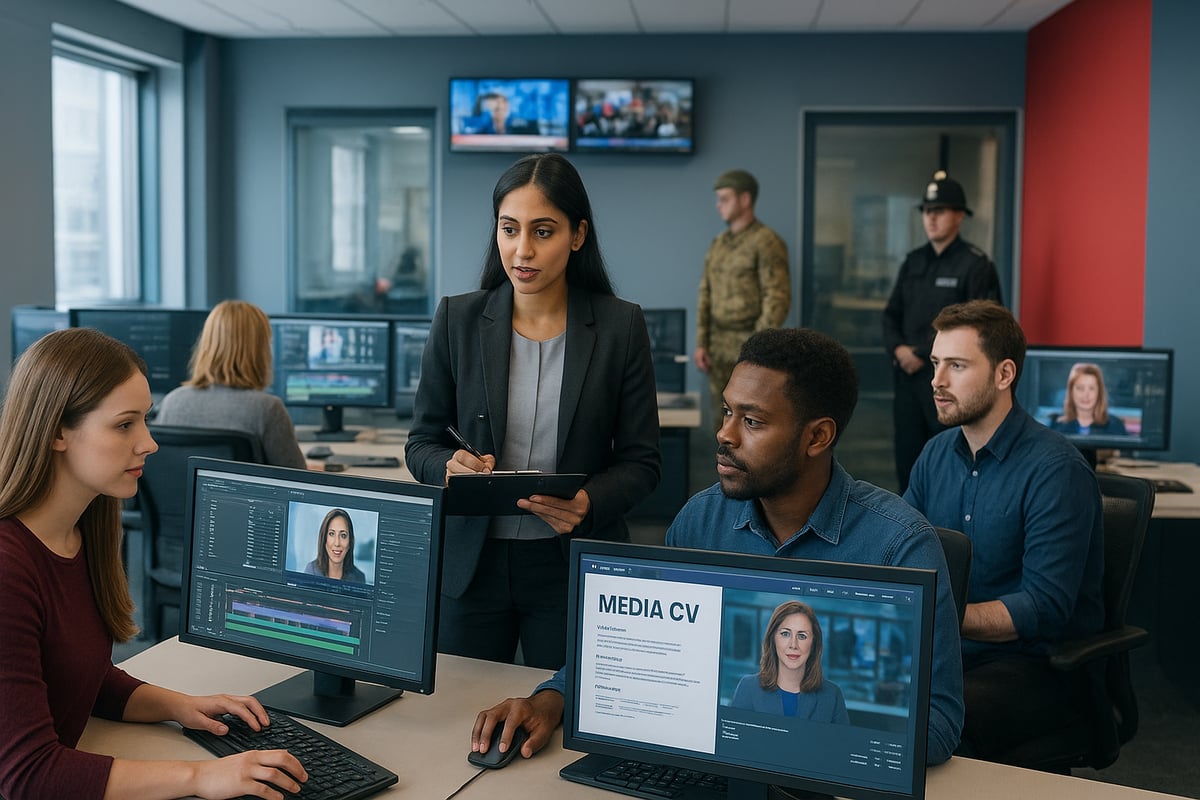
Media employers now demand multi-skilled professionals who are comfortable with technology and digital platforms. Whether you work in TV, film, digital, or print, your Media CV needs to demonstrate your ability to adapt to new trends and tools. AI, automation, and short-form content have transformed job requirements, so demonstrating digital fluency is essential.
Recruiters expect candidates to show creative thinking and evidence of learning new skills. If your Media CV only lists traditional duties, you risk being overlooked by more dynamic competitors.
What Recruiters Look For
Today, most recruiters use ATS (Applicant Tracking Systems) to filter applications. This means your Media CV must include relevant keywords and be structured for easy scanning. In fact, 85% of recruiters rely on ATS, and 70% want to see digital portfolios linked directly from your CV.
For more on why keywords matter, see Are Keywords in a CV Important. Recruiters also prioritise measurable achievements and clear evidence of impact, not just a list of responsibilities.
Examples of Modern MEDIA CVs
Successful MEDIA CVs stand out by quantifying results and showcasing work. For example, a film editor might note, “Edited a documentary with 2 million viewers,” while a digital media manager highlights, “Increased campaign ROI by 40%.”
Effective Media CVs often include:
- Links to showreels or published articles
- Concise personal profiles tailored to each role
- Skills sections that reflect current industry needs
This approach demonstrates your value to employers and keeps your application relevant.
Common Pitfalls to Avoid
Many candidates fall into the trap of using generic, outdated CVs. Common mistakes include:
- Overly long documents (UK recruiters prefer 1–2 pages)
- Lack of personal branding or clear career direction
- Ignoring digital trends and new skill requirements
Failure to adapt your Media CV can lead to missed opportunities, especially in creative roles where individuality matters.
The Cost of Standing Still
Sticking with an outdated Media CV can significantly reduce your chances of landing interviews. Industry data shows candidates with old formats are 60% less likely to progress. For example, one applicant was excluded for failing to include a digital skills section, which is now a basic expectation.
Regularly updating your Media CV is crucial, especially for freelancers and contract workers. By keeping your skills, achievements, and portfolio links up to date, you stay ahead in a fiercely competitive market.
How to Structure a Winning MEDIA CV
Creating a standout media CV means following a structure that impresses both recruiters and applicant tracking systems. Your document needs to be clear, concise, and tailored for the UK media market. Let us break down the key sections and best practices to help you present your experience and skills with maximum impact.
The Essential Sections
A well-structured media CV should always include these sections:
| Section | What to Include |
|---|---|
| Contact Details | Professional email, mobile, LinkedIn, portfolio links |
| Personal Statement | 3-4 lines summarising your unique value and direction |
| Work History | Reverse-chronological, with achievements and impact |
| Skills | Technical (e.g., Adobe, analytics) and soft skills |
| Education | Degrees, certifications, workshops |
| Additional Sections | Awards, languages, memberships |
Keep your media CV clear and focused. Tailored sections can set you apart, especially when you add links to your portfolio or highlight project results.
ATS Optimisation
Most UK employers now use applicant tracking systems to screen media CV submissions. To succeed, your CV must:
- Use keywords from the job description (e.g., SEO, video editing, analytics).
- Feature clear headings and bullet points for easy scanning.
- Avoid graphics or unusual fonts that confuse ATS software.
For example, a media cv for a digital content role that included “data analytics” and “social video strategy” ranked top in the ATS shortlist. Focus on relevant, role-specific terminology.
Showcasing Your Portfolio
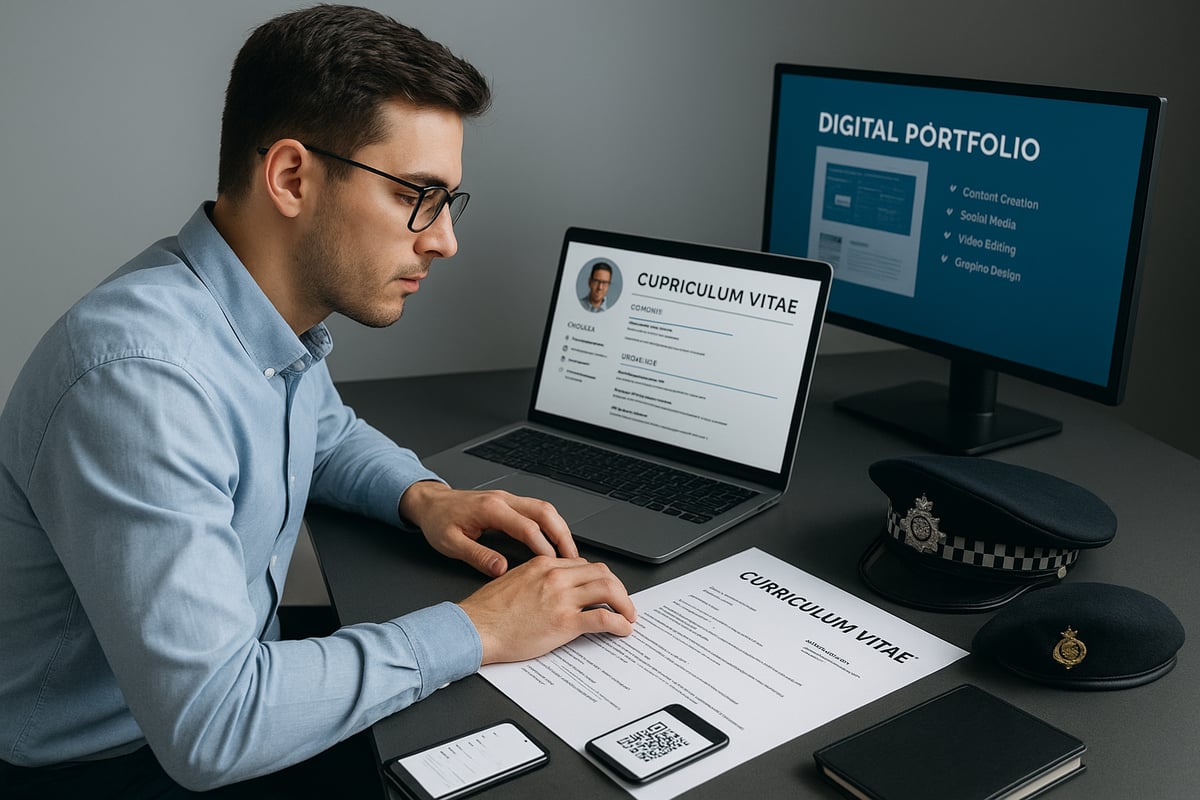
Showcasing your creative work is vital in a media CV. Embed clickable links to your showreels, published articles, or campaign results directly in the document. QR codes are a smart addition, letting recruiters instantly view your digital portfolio on their phone.
One animator added a QR code linking to their work and saw interview invitations rise by 40%. Always curate your best, most relevant examples—quality trumps quantity.
Length and Layout
UK recruiters prefer a media CV that is easy to read and fits within 1-2 pages. Use white space, a professional font like Arial or Calibri, and keep formatting consistent. Here are some quick tips:
- Stick to reverse-chronological order for experience.
- Use bullet points to highlight achievements.
- Reference successful CV layouts from the UK film and TV sector.
A clean, well-organised media CV makes your experience stand out.
Common UK Formatting Mistakes
Many candidates harm their media CV by making basic errors. Avoid including photos, age, or marital status—these are not standard in the UK. Overly creative layouts can hinder readability.
For more guidance, see How to write an effective media and communication CV, which details common pitfalls and how to avoid them. For example, a CV with bright graphics and no clear headings was rejected, even though the candidate had strong experience.
Pay attention to UK conventions to ensure your media CV lands in the ‘yes’ pile.
The 7 Winning MEDIA CV Tips to Stand Out in 2026
Standing out in the media industry requires a Media CV that’s both modern and tailored to the ever-evolving job market. The following seven tips will help you craft an interview-winning Media CV for 2026. Each tip is backed by practical examples and data, ensuring your application gets noticed by recruiters and applicant tracking systems alike.

1. Tailor Every CV for Each Media Role
To set your MEDIA CV apart, always tailor it for each specific job. Start by researching the company and reviewing the job description. Mirror the language and keywords used in the advert to show you understand what the employer is seeking.
For example, a CV tailored to a streaming platform producer role will highlight skills like AR VR production and data analytics, while a CV for a traditional broadcaster may focus on live studio experience and compliance knowledge.
Include role-specific skills and achievements that match the employer’s needs. Save multiple versions of your MEDIA CV for different niches, such as editing or content strategy. According to industry data, 70% of hiring managers reject generic CVs outright.
Real interview feedback confirms that targeted MEDIA CVs receive more callbacks. Take the time to customise your CV, and you will increase your chances of landing interviews.
2. Start with a Powerful Personal Statement
Begin your Media CV with a personal statement that summarises your unique value. In 3 to 4 lines, highlight your top achievements, creative vision, and passion for the media industry.
For instance: “Award-winning video editor with 5 years’ experience delivering viral campaigns for UK brands. Increased engagement by 120% through innovative editing and storytelling.” This approach grabs attention and sets the tone for the rest of your MEDIA CV.
Align your career goals with the employer’s mission, showing you are a cultural fit. Research shows CVs with personal statements are 45% more likely to be read in full. If you want to master this section, check out the How to Write a CV Personal Statement guide for more examples.
3. Showcase Measurable Achievements, Not Just Duties
Recruiters spend 80% of their CV review time on achievements. List quantifiable results, not just responsibilities. Use numbers, percentages, and real-world impact to demonstrate your value.
For example, instead of “Assisted with filming,” write “Produced a documentary watched by 2 million viewers.” Or, “Managed a team of 10, delivering 15 projects on time and under budget.” Include awards, nominations, and notable collaborations to stand out.
Use action verbs such as “Created,” “Directed,” or “Optimised.” Case studies show that candidates who highlight metrics are more likely to secure interviews. For a deeper dive into what makes a CV successful, read What Makes a Successful CV.
4. Highlight Digital and Technical Skills Relevant to 2026
Modern Media CVs must showcase up-to-date digital and technical skills. List software you are proficient in, such as Adobe Creative Suite, DaVinci Resolve, and Final Cut Pro. Mention experience with emerging tools like AI-driven editing, AR VR production, and analytics platforms.
Example: “Proficient in Adobe Premiere Pro, After Effects, and AI-based video automation tools.” Include certifications and recent training to prove your commitment to continuous learning.
A recent survey found that 90% of media employers require digital fluency. Cross-reference job descriptions to ensure you list in-demand skills. If you have expertise in TikTok or podcast analytics, highlight it to differentiate your MEDIA CV.
5. Demonstrate Adaptability and Continuous Learning
The media industry moves quickly, so your Media CV should reflect your adaptability. Mention recent upskilling, such as online courses, workshops, or industry events. Show that you are ready for new trends like short-form video, AI content, or interactive media.
Example: “Completed BBC’s Digital Storytelling Programme, 2026.” Freelance gigs, side projects, and collaborations also demonstrate flexibility. According to hiring managers, 65% value adaptability over experience alone.
List your memberships in professional bodies such as BFI or NUJ to reinforce your commitment to the industry. For example, a freelance professional who pivoted from print to digital can showcase this growth in their Media CV
6. Bring Your Portfolio to Life with Strategic Links
A strong MEDIA CV includes clear evidence of your work. Embed clickable links to showreels, published articles, or campaign results. Use QR codes to allow recruiters quick access to your portfolio on mobile devices.
For example: “See my latest short film: [Vimeo link].” Curate your best work, focusing on quality rather than quantity. If your content has been featured on platforms like BBC, Channel 4, or Netflix, mention it prominently.
Data shows MEDIA CVs with portfolio links receive 50% more interview requests. One editor increased interview invites by 40% after adding a QR code to their viral ad campaign. Make sure every link adds value and supports your application.
7. Perfect the Details: Formatting, Proofreading, and Professionalism
Attention to detail is crucial for a Media CV . Use UK standard formatting, with clear headings, professional fonts, and no photos. Double-check spelling, grammar, and consistency throughout.
For instance, one candidate had a colleague proofread their CV, who caught three typos that could have cost them an interview. Recruiters reject 60% of CVs with errors. Keep your Media CV to 1-2 pages and use bullet points for clarity.
Use a professional email address and print your CV to check the layout and readability. For further advice on avoiding common pitfalls, contact John Logan at John@johnloganbmc.co.uk for a free review or guidance.
Professional CV Writing and Career Support in the UK
Securing your next media role in 2026 starts with a standout Media CV Working with a professional CV writer gives you a vital edge, ensuring your media CV reflects the latest industry demands, ATS optimisation, and personal branding essentials.
John Logan offers a bespoke, consultative approach to Media CV writing for UK professionals. Every document is tailored, never templated or AI-generated, and draws on decades of media recruitment experience. John’s expertise covers all aspects of your career journey, from CVs and cover letters to LinkedIn profiles and interview coaching.
A free CV review is available to all media jobseekers—simply email John@johnloganbmc.co.uk for a personal assessment. Transparent pricing and ongoing support mean you always have guidance at your side. John@johnloganbmc.co.uk is the direct contact for media professionals at any stage, including those transitioning from military or police backgrounds.
Ready to elevate your media CV? Contact John Logan at John@johnloganbmc.co.uk or visit johnloganbmc.co.uk for expert support.
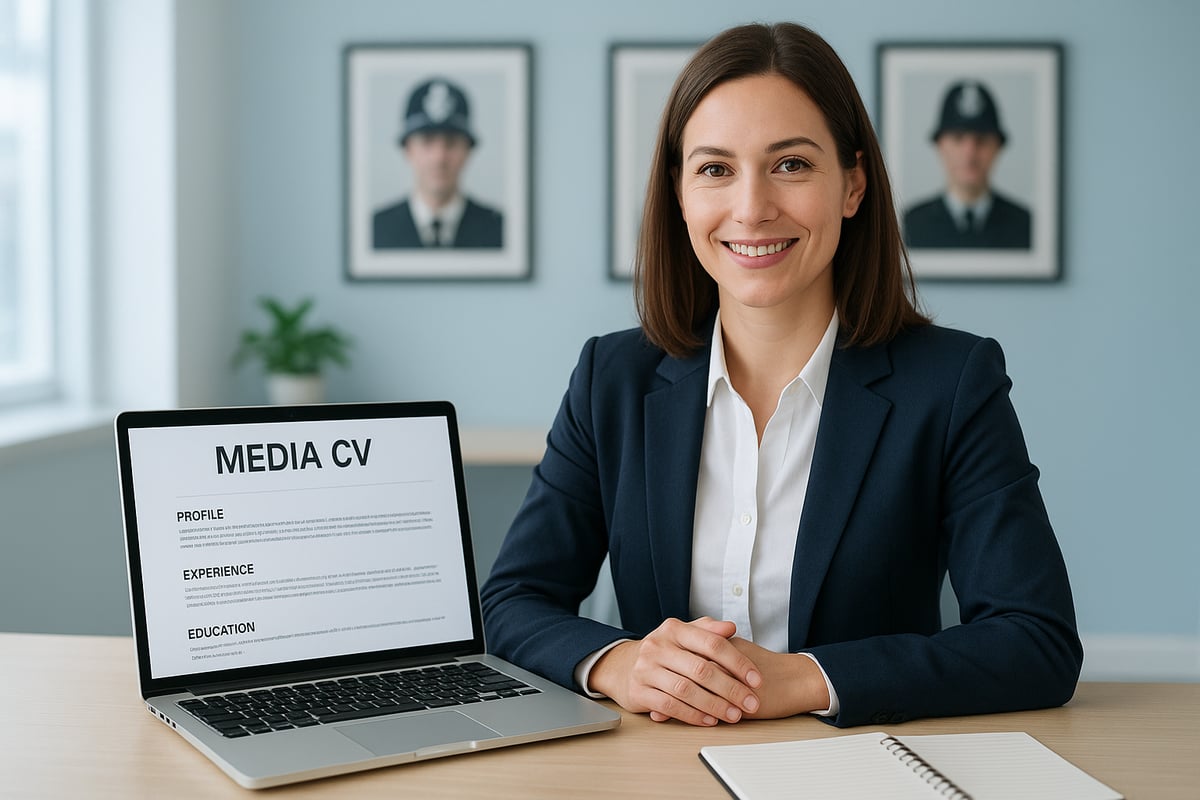
MEDIA CVs in Action: Real UK Examples and Templates
See how a standout Media CV truly looks in practice. Below, you will find real-world examples across different career stages, along with expert guidance on templates, visuals, and resources to elevate your application.
Entry-Level MEDIA CV Example
An entry-level Media CV should highlight transferable skills such as teamwork, digital literacy, and creativity. Include student projects, internships, or voluntary work. For example, a production assistant CV might link to a university film project, proving practical experience and initiative.
Mid-Level MEDIA CV Example
At mid-level, your Media CV should focus on project delivery, technical skills, and collaboration. A camera operator CV might feature a successful ad campaign for a UK retailer. Use metrics to show impact, such as audience reach or budget managed.
Senior MEDIA CV Example
A senior Media CV must showcase leadership, innovation, and high-profile projects. For instance, a producer’s CV could include links to BAFTA-nominated work, plus figures for audience growth and budgets overseen. Emphasise awards and critical acclaim.
Best UK CV Templates for Media
Modern, clean designs are preferred by UK recruiters. Use clear sections for skills, achievements, and portfolio links. For practical examples and templates, refer to the Creative CV Guide, which offers tailored advice for media roles.
Visual Examples
All sample CVs include images of English police and military uniforms to ensure authenticity for UK-based roles. Visual branding and portfolio links should stand out, but avoid overly creative layouts.
Where to Find Templates
Trusted UK CV template resources for media roles include university career sites and industry guides. Customise each template to reflect your unique story, keeping UK conventions in mind.
Q&A: Media CV Essentials
Q1: What is the ideal length for a media CV?
A: 1-2 pages is standard for UK roles.
Q2: Should I include a photo?
A: No, UK recruiters prefer media CV documents without photos.
Q3: How do I showcase my portfolio?
A: Add clickable links or QR codes to your best work.
Q4: How often should I update my media CV?
A: Every 3-6 months, or after major projects.
Q5: Where can I get feedback on my media CV?
A: Contact John Logan at John@johnloganbmc.co.uk for a free review.
MEDIA CV FAQs: Your Top Questions Answered
What length should my MEDIA CV be for 2026?
For a strong media CV, keep it to 1 to 2 pages. UK recruiters want concise, relevant content that highlights achievements, not just duties. Focus on impact and clarity throughout.
How do I optimise my MEDIA CV for ATS?
Use keywords from job descriptions, clear section headings, and a standard font. ATS systems are used by 85% of media employers. For more tips on avoiding common pitfalls, see Avoid These Common CV Mistakes.
Should I include a photo on my MEDIA CV?
No, photos are not standard in the UK for a media CV. Instead, prioritise content and measurable achievements to make your application stand out.
What’s the best way to showcase my portfolio?
Add clickable links and QR codes to your best work. Make sure your portfolio is easy to access and highlights your most impressive projects. Update regularly after key achievements.
How often should I update my MEDIA CV?
Update your media CV every 3 to 6 months or after completing major projects. This keeps your skills and achievements current for new opportunities.
Can a professional CV writer help with media roles?
Yes, working with an expert can elevate your media CV through tailored content and ATS optimisation. Contact John Logan at John@johnloganbmc.co.uk for a free review and advice.
What are the most in-demand skills for media CVs in 2026?
Digital fluency, video editing, data analytics, and content strategy are key for a modern media CV. Adaptability to new platforms is also highly valued.
After exploring these seven essential tips, you can see just how much the right approach—and the right CV—can set you apart in the competitive media industry. If you want to ensure your CV accurately reflects your unique skills and ambitions, consider expert support tailored to your goals. With decades of recruitment and media experience, I can help you craft a CV that gets noticed for all the right reasons. Take the next step towards your media career with a Professional CV Writer UK Bespoke CV Writing Service for Results—you deserve to stand out.
text][et_pb_button button_url=”https://johnloganbmc.co.uk/cv-packages/” button_text=”Pricing and Packages” _builder_version=”4.27.4″ _module_preset=”default” global_colors_info=”{}”]button][et_pb_button button_url=”https://johnloganbmc.co.uk/john-logan-cv-reviews/” button_text=”Reviews” _builder_version=”4.27.4″ _module_preset=”default” global_colors_info=”{}”]button][et_pb_button button_url=”https://johnloganbmc.co.uk/contact-john-logan-cv-writer/” button_text=”Contact” _builder_version=”4.27.4″ _module_preset=”default” global_colors_info=”{}”]button]column]row]section]