

Landing your dream job in 2025 starts with one crucial step: knowing how to compile a CV that truly stands out. In today’s competitive market, a well-crafted CV can mean the difference between being shortlisted and being overlooked.
This expert guide will show you how to compile a CV that not only impresses employers but also passes modern applicant tracking systems. You will get actionable advice, learn to avoid common mistakes, and discover practical steps for tailoring your CV to each opportunity.
Ready to transform your CV into a powerful tool for career success? Read on for essential strategies, formatting tips, content guidance, ATS optimisation, and expert insights designed for the 2025 job market.
Understanding the Modern CV: Trends and Employer Expectations in 2025
To succeed in today’s job market, understanding the modern CV is essential. As recruitment evolves, so do employer expectations and the way CVs are assessed. Knowing how to compile a CV that aligns with these trends is your first step towards landing interviews.
The Evolving Role of CVs in Recruitment
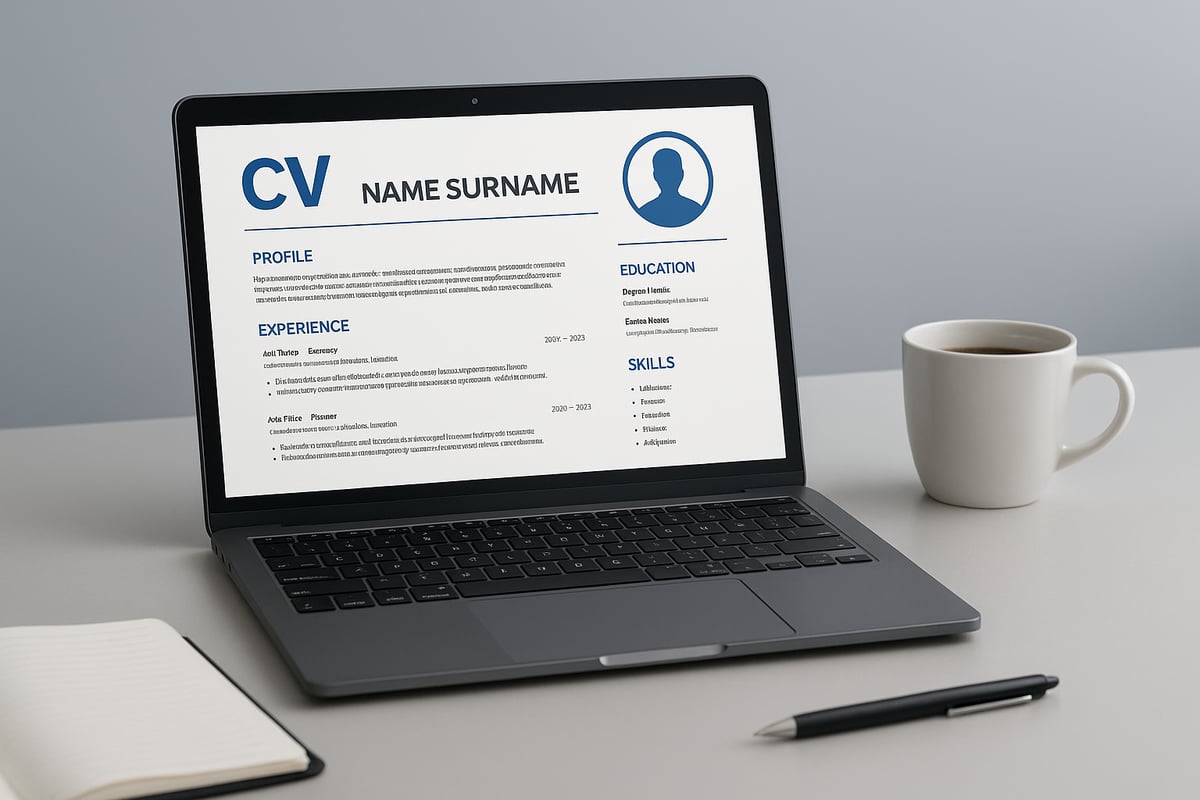
In 2025, CVs remain a cornerstone of recruitment, bridging the gap between candidates and employers. With the rise of digital screening and applicant tracking systems, the process to compile a CV now involves more than just listing experience. Sectors like healthcare, finance, and tech continue to rely on CVs to shortlist candidates before interviews. Digital-first hiring means your CV must work both for automated systems and human recruiters.
Key Features Employers Look for in 2025
Employers in 2025 value CVs that are concise, clear, and focused on measurable achievements. Skills and adaptability are at the forefront, with 78% of UK employers preferring skills-based CVs (Reed.co.uk, 2024). For a deeper insight into what makes a document stand out, explore what makes a successful CV. Quantifiable results and tailored content are now the norm, not the exception.
Common CV Mistakes to Avoid
Many applicants fall into the trap of using generic content or creating lengthy CVs that fail to engage. Neglecting ATS optimisation is another common pitfall. For example, some CVs are filled with buzzwords but lack evidence of real achievements. Avoid these mistakes to ensure your CV is both readable and relevant to the job.
CV Types: Chronological, Functional, and Hybrid
Choosing the right format when you compile a CV is crucial. Chronological CVs highlight steady work history, ideal for those with traditional career paths. Functional CVs showcase skills, perfect for career changers or those with gaps. Hybrid CVs combine both approaches, offering flexibility for mid-career professionals. Selecting the right type ensures your strengths are front and centre.
|
CV Type |
Best For |
Main Feature |
|---|---|---|
|
Chronological |
Steady career growth |
Dates and roles in order |
|
Functional |
Career changers |
Skills and achievements |
|
Hybrid |
Most professionals |
Skills with work chronology |
Impact of AI and Automation on CV Screening
Artificial intelligence and automation now dominate initial CV reviews. When you compile a CV, including relevant keywords and clear formatting is essential. AI filters CVs based on keywords, relevance, and structure, deciding who moves forward. According to Jobscan (2024), 98% of Fortune 500 companies use ATS, highlighting the need for digital optimisation.
The Importance of Personal Branding
Personal branding is more important than ever in 2025. Building a consistent image through your CV and online profiles helps you stand out. Including a tailored personal statement at the top of your CV demonstrates your unique value. A strong brand increases your chances of making a memorable impression with every application.
Step-by-Step: How to Compile a CV for 2025
Creating an impressive CV in 2025 is more than listing jobs and qualifications. To compile a CV that stands out, you need to follow a structured approach and tailor every section to the modern recruitment landscape. This guide breaks down each step, making the process manageable and effective.
Step 1: Gather Your Information
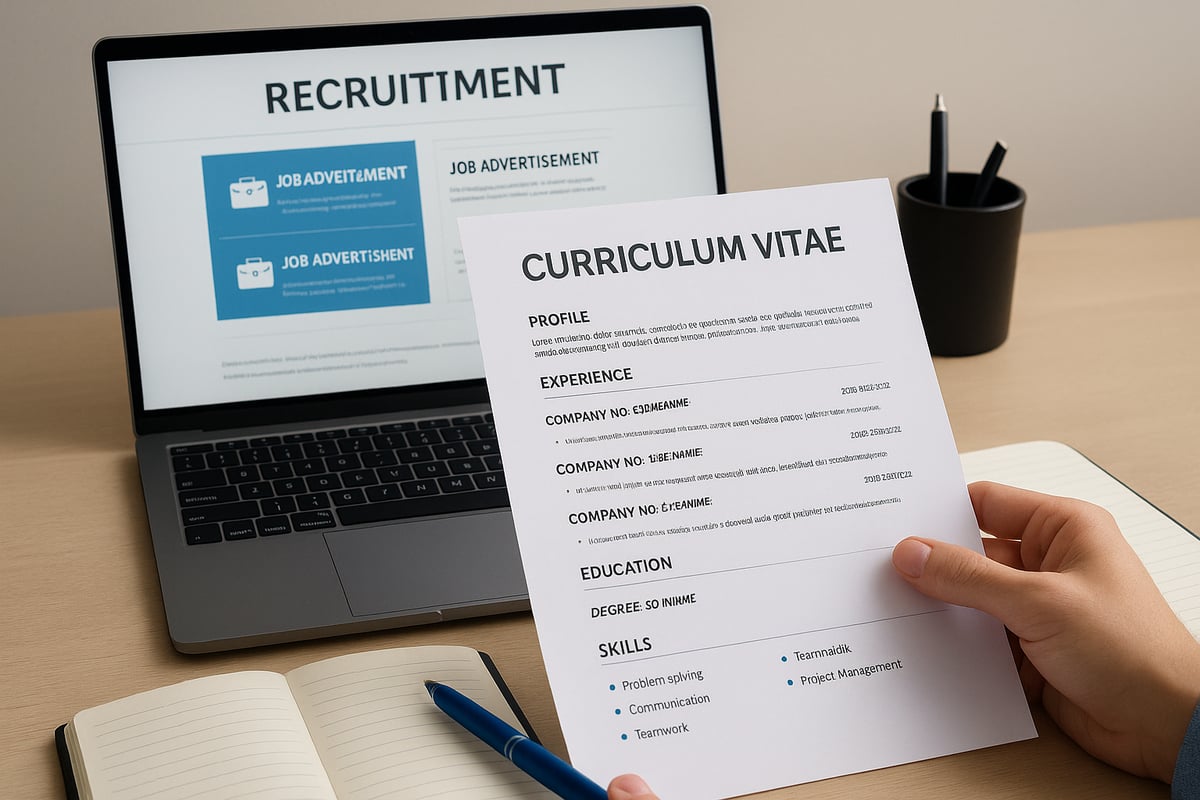
To compile a CV effectively, start by collecting all relevant details before you begin writing. This includes your work history, education, skills, and key achievements. Focus on quantifiable results, as these provide concrete evidence of your value.
-
Job titles and employers
-
Dates of employment and education
-
Specific achievements with numbers (e.g., “Increased sales by 20%”)
-
Certifications, courses, and awards
Having this information ready streamlines the process and ensures nothing important is missed. This preparation sets the stage for a CV that is both comprehensive and impactful.
Step 2: Choose the Right CV Format
When you compile a CV, selecting the right format is crucial. The main types are chronological, functional, and hybrid. Your choice should reflect your career stage and the industry you are targeting.
|
CV Format |
Best For |
Pros |
Cons |
|---|---|---|---|
|
Chronological |
Traditional careers |
Clear progression |
Highlights gaps |
|
Functional |
Career changers |
Focuses on skills |
Can appear vague |
|
Hybrid |
Mid-career professionals |
Balances skills and history |
Maybe longer |
Hybrid CVs are increasingly popular for those with varied experience. Consider which format best highlights your strengths and aligns with employer expectations in 2025.
Step 3: Write a Compelling Personal Statement
A strong personal statement is essential when you compile a CV that grabs attention. This summary should highlight your value, outline your career direction, and be tailored to each application.
For example:
“Driven marketing manager with 7+ years’ experience delivering multi-channel campaigns and exceeding growth targets.”
Keep your statement under 100 words and focus on what makes you unique. For more detailed advice, see this guide on how to write a CV personal statement.
Customising this section for each job ensures you address the employer’s needs directly.
Step 4: Detail Your Work Experience Effectively
To compile a CV that impresses, present your work experience with clarity and impact. Use bullet points, action verbs, and focus on quantifiable outcomes.
-
“Managed a team of 10, boosting productivity by 15%”
-
“Implemented a new CRM system, reducing response time by 30%”
-
“Achieved 120% of sales targets for three consecutive years”
Prioritise your most recent and relevant roles. Avoid simply repeating job descriptions; instead, show how your actions delivered results. This approach makes your achievements easy to scan and understand.
Step 5: Showcase Skills and Achievements
A key part of how you compile a CV in 2025 is demonstrating both hard and soft skills. Review job adverts to identify required skills, and match your strengths accordingly.
Hard skills examples:
-
Data analysis
-
Digital marketing
-
Project management
Soft skills examples:
-
Leadership
-
Communication
-
Adaptability
Highlight achievements that show these skills in action. For instance, “Led a remote team to deliver a project ahead of schedule.” This directly addresses what employers value most.
Step 6: Education, Certifications, and Professional Development
List your academic qualifications, certifications, and any professional development. Include degrees, relevant courses, and online learning, such as micro-credentials.
In 2025, employers increasingly value continuous learning. For example, a recent CIPD survey found that 61% of UK employers look for evidence of ongoing professional development. Always list your most recent and relevant qualifications first.
Step 7: Include Additional Sections Strategically
Consider adding sections for volunteering, languages, publications, or interests. Only include these if they are relevant to the role.
For example, language skills can be a differentiator for international employers, while volunteering can show leadership or community engagement. Use these sections to further demonstrate your suitability for the job.
Formatting, Design, and Layout: Making Your CV Stand Out
A well-formatted CV is your passport to making a strong first impression in a crowded job market. When you compile a CV, thoughtful design choices help you rise above the competition and ensure your achievements are easy to spot. Let us explore the essentials of formatting, layout, and design that will set your document apart.
Best Practices for CV Length and Structure
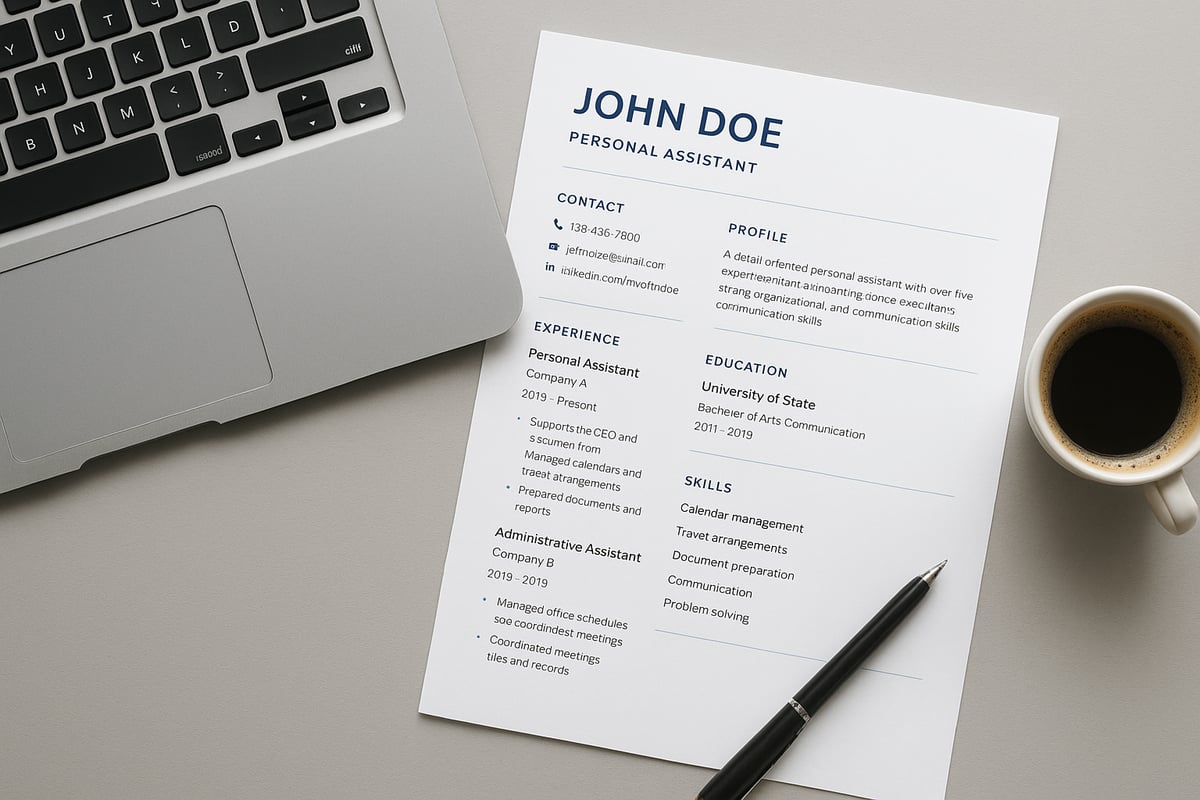
Recruiters typically skim CVs quickly, so structure is crucial. When you compile a CV, aim for 1–2 pages, focusing on the most recent and relevant experience. Use clear section headings, concise bullet points, and reverse chronological order.
Tips for structure:
-
Place contact details at the top
-
Group skills and achievements together
-
List education and experience in separate sections
According to TheLadders, recruiters spend just seven seconds on an initial scan, so clarity is key.
Readability and Visual Appeal
Visual clarity ensures your CV is inviting and easy to navigate. Choose readable fonts like Arial, Calibri, or Helvetica, and use adequate white space to prevent clutter.
Before and After Layout Comparison:
|
Element |
Poor Example |
Improved Example |
|---|---|---|
|
Font |
Unusual script |
Calibri, 11pt |
|
Spacing |
Dense paragraphs |
1.15 line spacing |
|
Headings |
No clear headings |
Bold, larger font |
Bullet points and short sentences help the reader absorb information quickly. When you compile a CV, prioritise sections that highlight your value.
Digital vs Print: What Matters in 2025
In 2025, most applications are digital. Save your CV as a PDF for consistent formatting, unless otherwise specified. Word documents can be altered by different software, leading to errors.
ATS compatibility is vital. Avoid graphics, images, or complex tables that may confuse screening software. If you want more detail on this, see Optimising your CV for ATS.
Formatting mistakes can cost interviews, so always test your file before submitting.
Incorporating Branding Elements
Personal branding sets you apart. Use a professional email address, include your LinkedIn URL, and consider a subtle accent colour for headings. Consistency in font and style reinforces your professional image.
Branding checklist:
-
Professional email (no nicknames)
-
LinkedIn profile link
-
Matching font and colour scheme
-
Customised personal statement
When you compile a CV, these details showcase attention to detail and credibility.
Avoiding Design Pitfalls
Overly complex designs can harm your chances. Avoid using images, graphics, or tables that might disrupt ATS parsing. Stick to clean lines and simple layouts.
Common pitfalls:
-
Decorative fonts
-
Excessive colours
-
Headers/footers with contact info
A straightforward approach ensures your CV is both machine and human-friendly. Focus on clarity, not decoration, when you compile a CV.
Tailoring Your CV for Each Application
A one-size-fits-all approach will not help you compile a CV that gets noticed in 2025. Tailoring is essential if you want your application to stand out, reach the right people, and pass applicant tracking systems. Below, discover how to adapt each section of your CV for maximum impact.

Analysing the Job Description
To compile a CV that meets employer expectations, start by scrutinising the job description. Identify essential keywords, required skills, and preferred experience. Match the language used in the advert to ensure your CV resonates with both AI-driven applicant tracking systems and human recruiters. According to the Applicant Tracking System Usage Report 2025, the majority of large companies now rely on ATS to filter applications. Use bullet points to list core requirements and double-check your CV mirrors these terms.
Customising Your Personal Statement and Skills
Every time you compile a CV, rewrite your personal statement and skills section to reflect the priorities of the specific role. Highlight your most relevant strengths and use examples that align with the employer’s needs. For instance, if the advert emphasises leadership, ensure your summary and skills focus on leadership achievements. Tailoring these sections shows that you have read the job description carefully and are genuinely interested in the role.
Highlighting Relevant Experience
When you compile a CV for a new application, prioritise work experience that matches the position. Place your most applicable roles at the top of the section, using concise bullet points to showcase outcomes. Unrelated roles can be condensed or omitted entirely. This approach helps recruiters quickly see your suitability and avoids overwhelming them with unnecessary details. Focus on your most recent and relevant experiences for maximum effect.
Addressing Career Gaps or Career Changes
If you have gaps or career changes, present them positively. Use this space to explain how you developed new skills, undertook training, or volunteered during these times. For example, mention any online courses completed or projects managed during the time between jobs. Be honest, but always highlight how these experiences make you a stronger candidate for the role you are targeting. This transparency builds trust with employers.
Using Metrics and Outcomes Relevant to the Role
Quantifying your achievements is key when compiling a CV tailored to each application. Use numbers and outcomes that reflect the requirements in the job advert. For instance, if the role demands cost-saving skills, mention how you reduced expenses by a specific percentage. Metrics help recruiters see the tangible value you bring and make your CV more memorable. Tailor these results to what the company values most.
Optimising Your CV for ATS and Digital Applications
In 2025, knowing how to compile a CV that excels in both digital and human screening is vital. As recruitment increasingly relies on applicant tracking systems (ATS), your CV must be structured to succeed at every stage. Below, we break down the steps to ensure your CV is both ATS-friendly and appealing to hiring managers.
Understanding ATS and Keyword Optimisation
Applicant tracking systems are now standard in recruitment, scanning CVs for keywords that match job descriptions. When you compile a CV, focus on integrating relevant industry-specific terms naturally throughout your document. According to Applicant Tracking System Statistics 2025, most UK employers rely on ATS to filter applications quickly.
Use the exact job title, core skills, and required qualifications from the advert. Always tailor your CV for each application, ensuring it matches the employer’s language and terminology.
Structuring for Machine and Human Readers
Balancing ATS optimisation with human readability is essential when you compile a cv. Use standard section headings such as “Work Experience” and “Education” so that both systems and recruiters can easily navigate your CV.
Avoid tables, graphics, and unusual file types, as ATS can misread these. Stick to a clean, simple layout with clear font choices and consistent formatting. This approach ensures your information is parsed correctly and remains visually appealing.
Using Action Words and Quantifiable Results
Every time you compile a CV, use action verbs to describe your achievements. Words like “achieved”, “led”, and “implemented” demonstrate impact and initiative. Pair these verbs with quantifiable results to give your claims substance.
For example:
- Implemented new CRM system, improving efficiency by 30%
- Led a team of 10, increasing project delivery speed by 20%
This style is effective for both ATS ranking and recruiter assessment.
Common ATS Mistakes and How to Avoid Them
Many applicants lose out due to simple errors when they compile a cv for digital screening. Avoid using unreadable fonts or images, and avoid placing key details in headers and footers. According to the Capterra HR Software Trends 2025, 75% of CVs never reach a human reader due to ATS issues.
Always submit your CV as a Word or PDF file, and double-check it for formatting errors that could hinder ATS parsing. Test your document by uploading it to an online ATS simulator before applying.
Testing and Reviewing Your CV
Before you submit, thoroughly review your CV for errors and ensure keywords align with the job. Use available ATS-checking tools to simulate how your document will be read by machines. Peer review is also valuable—ask a colleague to check for clarity and accuracy.
Remember, to compile a CV that stands out in 2025, you must combine strategic keyword use, clean formatting, and clear evidence of your achievements.
Expert Tips and CV Trends for 2025
Staying ahead in the job market means knowing the latest trends when you compile a CV. Employers are increasingly looking for candidates who go beyond the basics and demonstrate adaptability, digital fluency, and a proactive approach to career growth. This section highlights the most critical expert tips and emerging trends to ensure your CV stands out in 2025.
Emphasising Transferable and Digital Skills
To compile a CV that impresses in 2025, focus on showcasing transferable and digital skills. Employers now prioritise data literacy, remote collaboration, and adaptability. For instance, include experiences where you managed virtual teams or used data analytics to drive decisions.
Highlight both hard and soft skills, such as project management, digital communication, and problem-solving. Use bullet points to highlight achievements, such as “led a remote team to complete a project ahead of schedule.” This approach signals your readiness for modern workplaces.
Leveraging LinkedIn and Online Profiles
When you compile a CV, ensure it aligns with your LinkedIn profile and any other relevant online presence. Consistency across platforms reassures recruiters and helps you build a strong professional brand.
Include your LinkedIn URL in the contact section of your CV. If appropriate, add a QR code linking directly to your profile. With 87% of recruiters using LinkedIn for screening, this integration can significantly boost your visibility. Regularly update your online profiles to match your latest skills and achievements.
The Rise of Video CVs and Digital Portfolios
As you compile a CV for creative or digital roles, consider adding a video CV or a link to an online portfolio. Video CVs allow you to showcase your personality, communication skills, and creativity directly to employers.
Digital portfolios are essential for fields such as design, marketing, and IT. Provide links to work samples, case studies, or presentations. This approach demonstrates initiative and gives hiring managers a tangible sense of your capabilities, setting you apart from traditional applicants.
Keeping Your CV Up to Date
A crucial habit when you compile a CV is to keep it updated with new skills, roles, and achievements. Set quarterly reminders to review and refresh your CV, ensuring it reflects your most recent accomplishments.
Add new certifications, completed projects, or relevant training promptly. This habit not only saves time when new opportunities arise but also ensures you never overlook key details that could make a difference in the recruitment process.
Mistakes to Avoid in 2025
Avoid common pitfalls that can undermine your efforts to compile a CV. Outdated contact details, passive language, and spelling errors are frequent issues. Even minor typos can create a negative impression on recruiters.
For a detailed breakdown of frequent errors and how to sidestep them, refer to Common CV mistakes to avoid. Reviewing your CV for these mistakes enhances your professionalism and increases your chances of progressing to an interview.
Resources for Further Improvement
To compile a CV that remains competitive, leverage reputable resources. The National Careers Service provides free CV templates tailored for UK roles. Books like “Knockout CV” by John Lees offer expert guidance on structure and content.
Explore online tools for formatting, grammar checks, and ATS compatibility. Peer reviews are invaluable, providing honest feedback and fresh perspectives to refine your CV before submission.
As you begin putting these expert CV tips into practice, remember that a truly impactful CV isn’t just about ticking boxes or following a formula—it’s about presenting your unique strengths and achievements in a way that speaks directly to employers’ needs. If you want tailored advice or a CV that stands out in a crowded job market, I’m here to help. With years of experience supporting professionals across the UK, I offer a consultative, results-driven approach tailored to your goals. Explore how you can transform your career prospects with my Professional CV Writer UK Bespoke CV Writing Service for Results today.
text][et_pb_button button_url=”https://johnloganbmc.co.uk/cv-packages/” button_text=”Pricing and Packages” _builder_version=”4.27.4″ _module_preset=”default” global_colors_info=”{}”]button][et_pb_button button_url=”https://johnloganbmc.co.uk/john-logan-cv-reviews/” button_text=”Reviews” _builder_version=”4.27.4″ _module_preset=”default” global_colors_info=”{}”]button][et_pb_button button_url=”https://johnloganbmc.co.uk/contact-john-logan-cv-writer/” button_text=”Contact” _builder_version=”4.27.4″ _module_preset=”default” global_colors_info=”{}”]button]column]row]section]