

In the fiercely competitive 2025 job market, a specialist cv is your passport to top-tier roles. With more candidates vying for fewer positions, standing out is essential.
This guide delivers expert, actionable advice for crafting a specialist cv that captures attention and meets the latest industry standards. You will discover the newest trends, must-have sections, personalisation strategies, and how to optimise for applicant tracking systems.
Want to avoid common mistakes and secure your next specialist position? Read on to learn how to build a CV that opens doors in 2025’s dynamic landscape.
Understanding the 2025 Specialist CV Landscape
The specialist cv landscape is transforming rapidly as the UK job market becomes more competitive. Employers now demand deeper expertise and proof of sector-specific skills. Navigating this environment requires a strategic approach, especially for those seeking to stand out in a crowded field.
Key trends shaping 2025 include:
- Digital-first applications are now standard, with remote assessments on the rise.
- Employers are using AI-driven tools to pre-screen candidates.
- Up to 75% of specialist cv submissions are filtered by applicant tracking systems before reaching a recruiter.
- Sector regulators, such as the GMC for healthcare, set clear expectations for structure and content.
Tailoring your specialist cv is crucial. Generic documents no longer suffice, as roles in healthcare, IT, and engineering often require evidence of technical achievements, certifications, and ongoing professional development. For example, a medical CV must include clinical audits and up-to-date GMC registration, while IT and engineering CVs should highlight project delivery and industry memberships.
Adopting the latest 2025 CV writing trends ensures your specialist cv meets employer expectations and avoids common pitfalls. Outdated formats risk being dismissed early, making it essential to evolve your approach for success in the modern job market.

Core Components of a Winning Specialist CV
Creating a specialist cv that stands out begins with a strong, logical structure tailored for your field. Recruiters expect clarity and professionalism, so your layout must reflect these qualities. Choosing between a chronological and functional format is crucial. For most specialist roles, a reverse-chronological cv works best, as it highlights relevant experience in order.
Aim for a length of two pages, which is standard for UK specialist cv submissions. Organise your document with a clear order: start with a personal profile, followed by key skills, employment history, education, and any additional sections specific to your sector. For example, the GMC recommends starting medical cvs with a concise profile, then clinical experience, followed by qualifications and research. Use professional fonts and a clean design to ensure readability.

Essential Sections and What to Include
Every specialist cv must contain key sections that showcase your value. Begin with a personal statement, keeping it concise and tailored to the specific role and sector. If you need guidance, see this resource on how to write a CV personal statement.
Next, include a skills section featuring both technical expertise and soft skills relevant to your specialism. In your employment history, give details of your achievements, responsibilities, and measurable outcomes. Add an education section listing degrees, certifications, and ongoing CPD. Do not forget professional memberships, such as GMC for medical professionals, RICS for surveyors, or BCS for IT specialists.
Tailoring Content to Specialist Roles
To make your specialist cv truly compelling, analyse job descriptions for keywords and specific requirements. Integrate these terms naturally throughout your document. Demonstrate sector-specific expertise by highlighting projects or achievements that match the employer’s needs.
For example, a medical cv should showcase audits or clinical outcomes, while an IT specialist might present successful project deliveries or certifications. Always customise your achievements so they resonate with specialist recruiters and reflect your unique impact.
Optimising Your Specialist CV for ATS and Recruiters
Applicant Tracking Systems (ATS) are now used by 90 percent of large UK employers, making it crucial for your specialist cv to be ATS-friendly. These systems scan and filter applications before a recruiter even sees them, so your document must be both technically sound and compelling.
Begin with clear, simple formatting. Use standard section headings, avoid tables or graphics, and select a professional font. Integrate keywords directly from the job description, as these are often used by ATS to rank candidates. For more on the importance of keywords, see CV keywords for specialists.
Employ action verbs and measurable achievements to demonstrate impact, for example, "Delivered a 25 percent reduction in incident response times." Keep language concise and relevant to your field. Use bullet points to break up information and improve readability.
Recruiters typically scan CVs in an F-pattern, focusing on the top and left sections. Place your most important information, such as specialist skills and quantifiable results, where it will be seen first. Balancing ATS requirements with human readability ensures your specialist cv stands out both digitally and in person.
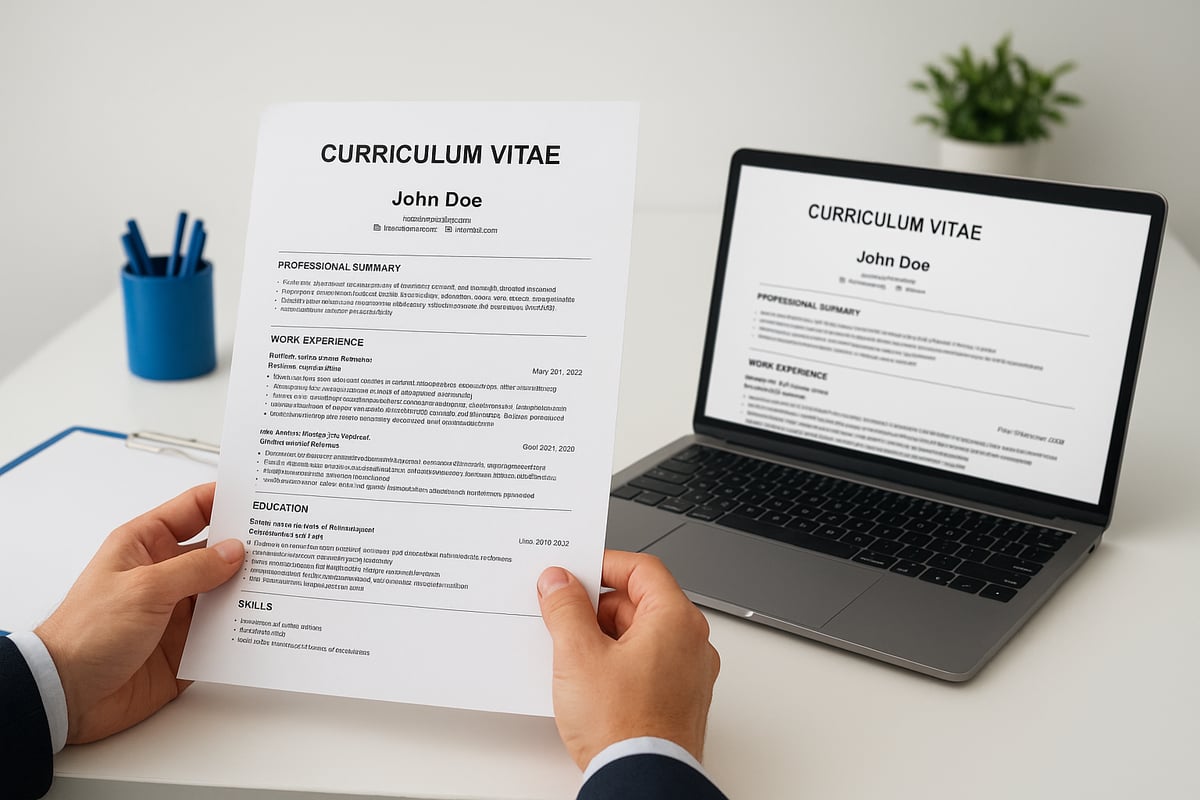
Showcasing Specialist Skills, Achievements, and Impact
Demonstrating your unique skills and measurable contributions is at the heart of a standout specialist cv. Employers are looking for clear evidence of technical expertise, sector-specific knowledge, and leadership abilities.
Start by pinpointing your specialist skills. These might include:
- Advanced clinical procedures
- Cybersecurity protocols
- Regulatory compliance
- Project management
- Leadership in multidisciplinary teams
To ensure your achievements shine in your specialist cv, use the STAR method to structure each example. This approach helps you present your impact with clarity and context.
**STAR Example**
Situation: NHS trust faced long patient waits.
Task: Tasked with redesigning triage.
Action: Introduced new digital workflow.
Result: Reduced waiting times by 30%.
Quantify your successes wherever possible. For example, “Implemented a new IT system that improved data processing speed by 40 percent.” Numbers and outcomes turn duties into compelling results.
Include research, publications, or presentations to highlight your thought leadership. Ongoing professional development and training show your commitment to growth and relevance.
For further insight, see these Successful CV strategies for maximising your specialist cv’s impact.

Common Specialist CV Mistakes to Avoid in 2025
Even the most qualified professionals can see their specialist cv overlooked due to avoidable errors. In 2025, recruiters and ATS systems are less forgiving, making it vital to get every detail right.
Frequent specialist cv pitfalls include:
- Using a generic profile or irrelevant skills list rather than tailoring content to the role
- Submitting a CV that is too long, unfocused, or packed with outdated details
- Choosing a cluttered design, confusing section order, or fonts that hinder readability
- Failing to evidence sector-specific achievements or measurable impact
- Neglecting to update for the latest regulations or professional guidelines
- Missing out on digital skills or remote work experience now expected in many fields
For example, medical CVs that omit recent GMC requirements, or IT CVs lacking quantifiable project outcomes, are often rejected early. For a full list of errors and how to fix them, see Common CV mistakes to avoid.
Carefully reviewing your specialist cv for these issues ensures you remain competitive and compliant with 2025 standards.
Expert Tips for Personalisation and Career Progression
Crafting a specialist cv is more than listing experience, it is about telling your unique story. A personalised approach positions you for your ideal role and long-term success.
Expert tips for a standout specialist cv:
- Align your cv with your career goals and target employers. Research what leading employers in your sector seek.
- Make your specialist cv part of a cohesive professional brand, pairing it with a tailored cover letter and a strong LinkedIn profile.
- Regularly update your cv to reflect every significant achievement or new skill, especially those related to digital transformation. For insights on the evolving UK job market and the growing importance of digital skills, see UK Graduate Job Market Trends 2025.
- Seek feedback from mentors, trusted colleagues, or a professional cv writer to ensure clarity and impact.
- Stay informed about industry standards and employer expectations, as these evolve quickly.
A real-life example: One IT specialist revamped their specialist cv to highlight project delivery and digital skills, leading to a new role offer within weeks. Take charge of your specialist cv and let it open doors for your career.
As you’ve seen, creating a standout specialist CV for 2025 is about more than just listing your experience—it’s about presenting your achievements and expertise in a way that speaks directly to employers’ expectations. If you’re ready to take the next step and want guidance from someone who truly understands what makes a CV succeed in today’s UK market, I’m here to help. Together, we can craft a bespoke, ATS-optimised CV that opens doors to the roles you deserve. Find out more about how I support professionals like you by visiting Professional CV Writer UK Bespoke CV Writing Service for Results.